

Table of Contents
- Common Payment Scams to Avoid When Selling Furniture
- Common Marketplace Scam Red Flags to Recognize
- Safe Payment Methods for Online Sales
- How to Verify a Buyer’s Identity Before Meeting
- Best Practices for Local Furniture Pickup
- What to Do If You’ve Been Scammed
- Frequently Asked Questions
Last Updated: October 2, 2026
Common Payment Scams to Avoid When Selling Furniture
Selling furniture online opens doors to serious financial risk, which is why it’s essential to avoid furniture selling scams. Scammers know that most sellers want quick sales and are eager to move items.
The most dangerous scams don’t feel like scams at first. A buyer messages you with enthusiasm, offers full price or even more, and seems ready to complete the transaction immediately.
Fake Check and Overpayment Scams
A buyer sends you a check for more than the asking price. They apologize for the mistake and ask you to wire back the difference.
This scam works because bank deposits can take several days to fully clear. The check looks legitimate during that window. By the time you discover it’s fake, you’ve already sent the wire transfer and have no way to recover it.
Protect yourself:
- Never accept checks for furniture sales. Period.
- If a buyer insists on paying by check, decline the transaction.
- Wait at least one week after a check clears before releasing the item.
- Verify the check with the issuing bank directly, not the buyer.
Wire Transfer and Third-Party Payment Traps
Wire transfers are nearly impossible to reverse. Once sent, the money is gone.
A variation involves a third-party payment service. The buyer claims they’ll use a payment app to send you funds securely.
Another trap is the courier scam. A buyer offers to arrange shipping through a “trusted courier service.” They send you a link to “track” or “pay for” shipping.
Protect yourself:
- Accept only cash, local payment apps (Venmo, PayPal for goods and services), or in-person transactions.
- Never wire money or use untraceable payment methods.
- If a buyer insists on wire transfer, walk away.
- Verify any third-party payment directly through the official app or website, never through links the buyer sends.
- Never click links in emails claiming to be from payment services. Go to the official website instead.
Common Marketplace Scam Red Flags to Recognize
Learning to spot red flags before you commit to a sale helps you avoid furniture selling scams and saves time, money, and stress. Scammers follow patterns. Once you know what to look for, suspicious buyers become obvious.
Suspicious Buyer Behavior and High-Pressure Tactics
Legitimate buyers move at a reasonable pace. They ask practical questions about condition, dimensions, and pickup logistics. Scammers rush. They offer above-market prices immediately, agree to any terms without negotiation, and push for quick completion.
Watch for buyers who:
- Want to finalize the sale within hours of first contact
- Offer significantly more than your asking price without haggling
- Ask vague questions or seem uninterested in the actual item details
- Pressure you to hold the item without a deposit or commitment
- Claim they’re out of town but want to buy immediately
- Suggest payment methods you haven’t offered
High-pressure language is a major warning sign. Phrases like “I need this today,” “I’m leaving town tomorrow,” or “If you don’t sell to me now, I’ll find someone else” are classic manipulation tactics.
Digital Footprint and Identity Verification Red Flags
Before meeting any buyer, check their digital presence. A legitimate buyer usually has an established online profile with history, reviews, or social media presence.
Red flags in their digital footprint:
- Brand-new account with no history or reviews
- Generic profile name or photo (stock image or blank avatar)
- No verifiable information (no real name, location, or contact history)
- Inconsistent stories (they claim to live locally but mention moving from out of state)
- Refusal to provide any identifying information
- Multiple accounts or aliases
Ask for their phone number and cross-reference it online. Scammers often use burner phones or VoIP numbers that don’t connect to real identities. A legitimate local buyer should have a traceable phone number and address.
Safe Payment Methods for Online Sales
Cash is the safest payment method for furniture sales. It’s immediate, untraceable to you, and cannot be reversed. When a buyer pays in cash at the time of pickup, you eliminate nearly all financial risk.
If you must accept other payment methods, choose these in order of safety:
1. Cash at pickup (safest)
- No digital trail
- Immediate and irreversible
- Verify bills are genuine
- Count money in front of the buyer
2. PayPal Goods and Services
- Provides buyer and seller protection
- Reversible if documented fraud occurs
- Takes a fee (around 2-3%)
- Requires the buyer to have an established account
3. Venmo or similar peer-to-peer apps
- Less secure than PayPal for goods
- Can be reversed if the buyer disputes
- Better for smaller transactions
- Verify the buyer’s account is established and verified
4. Local bank transfer or check (with verification)
- Only after funds fully clear (wait 7-10 days)
- Verify the check with the issuing bank directly
- Never release furniture before the check clears completely
Avoid wire transfers, cryptocurrency, gift cards, and international payment services. These offer you no protection and are preferred by scammers because they’re irreversible.
How to Verify a Buyer’s Identity Before Meeting
Step 1: Request their full name and phone number
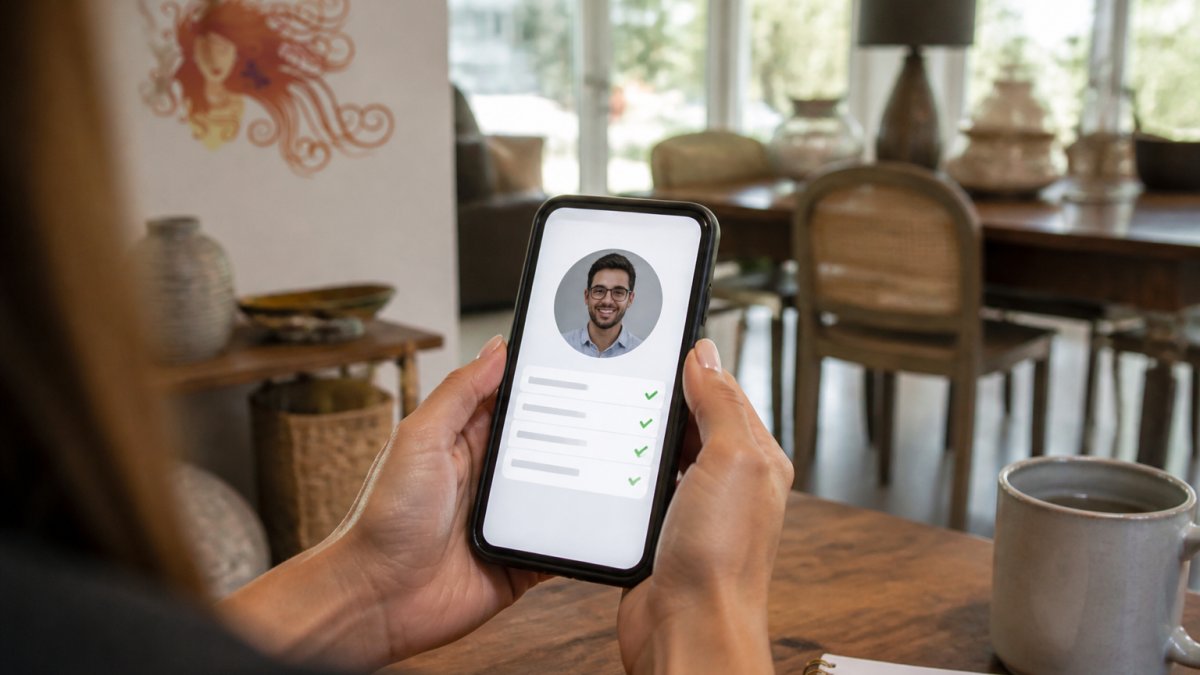
Ask for their full legal name and a phone number. Cross-reference this information online.
Step 2: Check their marketplace profile
If they contacted you through Facebook Marketplace, Craigslist, or another platform, examine their profile carefully. Look for:
- Account age (newer accounts are riskier)
- Reviews or ratings from previous transactions
- Photos that appear to be real (not stock images)
- Consistency in their information
Step 3: Call or video chat before meeting
A phone call or video chat reveals a lot. Scammers often avoid voice or video contact.
During the call, ask specific questions about the furniture: dimensions, condition, why they’re interested.
Step 4: Verify their address if possible
Ask for their address and cross-check it online. Does it exist?
Step 5: Trust your instinct
If something feels off, it probably is.
Best Practices for Local Furniture Pickup
Meeting in person is the safest way to complete a furniture sale. It allows you to verify the buyer, inspect payment, and hand over the item simultaneously. But in-person meetings also require safety precautions.
Choosing Safe Meeting Locations and Times
Never invite a buyer to your home. This reveals your address, your living situation, and when you’re home. Instead, meet in a public place during daylight hours.
Safe meeting locations:
- Busy parking lots (grocery stores, shopping centers)
- Police station parking lots (many stations welcome this)
- Well-lit public spaces with foot traffic
- Furniture consignment stores with customer pickup areas
At Le Rouge Tete, we offer convenient local pickup services for large items, which means you can arrange pickup at our location rather than your home. This adds a professional, neutral space to the transaction.
Safe meeting times:
- Daytime only (avoid early morning or evening)
- Weekends when more people are around
- Times when you have someone else available to accompany you
Bring a friend. Never meet a buyer alone. A second person provides safety, helps with heavy lifting, and serves as a witness to the transaction.
Inspecting Items and Completing the Transaction Securely
Before the buyer arrives, prepare the furniture. Clean it, photograph it from multiple angles, and note any damage or wear.
When the buyer arrives:
- Greet them in a public area, not inside your home
- Let them inspect the furniture thoroughly
- Answer questions honestly about condition and any flaws
- Ask them to verify payment before you help load the item
Count cash in front of the buyer. If they’re paying in cash, count it openly. This prevents disputes about the amount later.
Verify digital payments immediately. If using PayPal or Venmo, wait until the payment appears in your account as completed before releasing the furniture.
Only after payment is verified and in your account should you help load the furniture.
What to Do If You’ve Been Scammed
If you’ve already been scammed, act quickly.
Step 1: Stop all contact with the scammer
Block their phone number, email, and any social media accounts.
Step 2: Report the scam to the marketplace
If you sold through Facebook Marketplace, Craigslist, or another platform, report the buyer immediately.
Step 3: Report to the payment service
Step 4: File a report with the FTC (the FTC)
The Federal Trade Commission tracks scams and fraud. Report your experience at ReportFraud.ftc.gov. This creates an official record and helps law enforcement identify patterns.
Step 5: Contact your bank if money was transferred
If you wired money or sent a check, contact your bank immediately.
Step 6: Document everything
Keep copies of all messages, payment confirmations, and correspondence.
Step 7: Monitor your accounts
Watch your bank and credit accounts closely for unauthorized activity.
| Action | Timeline | Priority |
|---|---|---|
| Block scammer and stop contact | Immediately | Critical |
| Report to marketplace platform | Within 24 hours | High |
| Contact payment service fraud team | Within 24 hours | High |
| File FTC report | Within 1 week | Medium |
| Alert your bank | Within 24 hours | High |
| Document all evidence | Ongoing | Medium |
| Monitor accounts for fraud | 30+ days | Medium |
Selling furniture online doesn’t have to be risky.
Frequently Asked Questions
What is the safest payment method for selling furniture online?
Cash-only transactions at the time of pickup are the safest option for local furniture sales. If you must accept payment remotely, use secure platforms with buyer protection like PayPal Goods & Services or Venmo. Avoid wire transfers, checks, money orders, and third-party payment requests. Cash eliminates the risk of fraudulent transactions and gives you immediate verification that payment is legitimate.
What are the most common red flags when selling furniture online?
Watch for buyers who pressure you to act quickly, offer significantly more than the asking price, ask about accepting wire transfers or checks, or want to arrange payment through unusual methods. Suspicious digital footprints, new accounts with no profile history, generic profile pictures, or vague responses to questions, are also warning signs. Legitimate buyers are patient, ask specific questions about condition and dimensions, and meet in public locations without hesitation.
How can I verify a buyer is legitimate before meeting?
Check their online marketplace profile for account age, reviews from previous transactions, and a complete profile with profile picture and history. Ask specific questions about the furniture and their intended use, real buyers provide detailed responses. Request to meet in a public location and ask them to confirm the meeting time. A legitimate buyer won’t pressure you, won’t request unusual payment methods, and will be willing to inspect the item in person before paying.
Should I ever accept a check or money order for furniture?
No. Checks and money orders are common tools for deposit fraud and overpayment scams. Even if a check appears legitimate, it can take 7-10 days to clear, and fraudulent checks may be discovered after you’ve already released the furniture. By that time, recovering your item or money becomes extremely difficult. Insist on cash-only transactions at pickup, or use verified secure payment platforms if the buyer cannot pay in cash.