

Table of Contents
- Platforms for Selling High-End Luxury Furniture: Quick Comparison
- Le Rouge Tete: Premium Local Consignment with No Expiration
- 1stDibs: Premium Marketplace for Authenticated Luxury Pieces
- Chairish: Curated Design-Focused Resale
- Kaiyo: White-Glove Service and Logistics
- Best Practices for Photographing High-End Furniture
- How to Price Luxury Furniture for Resale
- Consignment vs. Direct Sale for Designer Furniture
- Which Platform Should You Choose?
- Frequently Asked Questions
Last Updated: October 3, 2026
Platforms for Selling High-End Luxury Furniture: Quick Comparison
Selling high-end luxury furniture online requires more than just posting photos and hoping for the right buyer. The platform you choose determines whether your mid-century modern sofa finds a design enthusiast willing to pay what it’s worth, or sits listed for months at a discount. At Le Rouge Tete, we’ve spent over 16 years helping homeowners and designers navigate the resale market, and we’ve learned that the best platforms for selling high-end luxury furniture vary dramatically depending on your piece, your timeline, and how much legwork you’re willing to do.
The right marketplace connects you with buyers who understand quality and provenance. Some platforms specialize in authenticated designer pieces and charge accordingly. Others focus on logistics and handle white-glove delivery for you. Still others let you reach local buyers directly, eliminating shipping complexity entirely. The commission structures, vetting processes, and buyer demographics differ so much that selling the same table on three different platforms could yield three completely different outcomes.
Below, we break down the platforms that actually work for high-end furniture resale, along with honest assessments of when each one makes sense.
Quick Picks:
- Best Overall Local Option: Le Rouge Tete, 50/50 consignment split with no end dates, curated buyer base, and convenient local pickup
- Best for Authenticated Luxury: 1stDibs, premium marketplace for collectors and designers, strict vetting, global reach
- Best for Design-Conscious Sellers: Chairish, curated marketplace with lower barrier to entry, strong design focus
- Best for Hands-Off Logistics: Kaiyo, white-glove pickup and delivery included, professional inspection and cleaning
Le Rouge Tete: Premium Local Consignment with No Expiration
We’ve built our business on a simple principle: selling high-end furniture shouldn’t require you to become a logistics expert or negotiate with strangers online. Le Rouge Tete offers a 50/50 consignment split with no end dates on your items, meaning your pieces stay on our floor as long as they need to find the right buyer.
Our 24-hour hold policy protects serious buyers while giving you time to respond. We handle the photography, styling, and presentation in our distinctive “live in” store layout, customers can see your furniture in an actual room setting, which dramatically increases their confidence in the purchase.
What sets us apart: we’ve been serving this community for over 16 years. We know the local market. We add new inventory weekly, which keeps browsers returning. And we handle everything from condition assessment to final sale, you don’t negotiate with buyers or manage payment processing.
Best for: Local sellers who want zero hassle and fair terms. Vacation rental owners furnishing multiple units quickly. Anyone who values convenience over maximum exposure.
Pros:
- 50/50 split
- No end dates or holding fees
- Local pickup at $50 for large items
- Professional presentation in curated setting
- Over 16 years of community trust
Cons:
- Limited to local buyers only
- Smaller audience than national platforms
- Relies on foot traffic and local reputation
1stDibs: Premium Marketplace for Authenticated Luxury Pieces
1stDibs is where collectors, interior designers, and serious luxury buyers spend their time. The platform enforces strict vetting for sellers. But if you can get in, you’re accessing an audience that understands provenance, authentication, and is willing to pay premium prices for documented pieces.
The platform’s strength is its credibility. When a buyer sees something listed on 1stDibs, they trust it’s legitimate and accurately described. The global reach means your mid-century modern credenza could sell to a designer in Tokyo or New York. The platform handles high-value shipping logistics and offers buyer protection that reduces your liability.
The barrier to entry is real. You’re looking at a subscription model, which only makes sense if you’re selling multiple pieces regularly or have particularly valuable inventory.
Best for: Professional dealers, auction house consignors, sellers with authenticated vintage or designer collections.
Pros:
- Access to affluent, educated buyer base
- High brand prestige supports premium pricing
- Global reach for rare or collectible pieces
- Professional logistics support included
Cons:
- High monthly subscription cost
- Strict vetting process; difficult to get approved as individual seller
- Requires professional-quality photography and documentation

Chairish: Curated Design-Focused Resale
Chairish sits between 1stDibs and general marketplaces. The platform curates listings to maintain quality standards, so you’re not competing against every random dining table on the internet. The buyer base skews toward design-conscious consumers, people who actually care about aesthetics and provenance, not just price.
The platform handles commission-based pricing, which means you only pay when something sells. There’s no monthly subscription. The “make an offer” feature lets buyers negotiate, which can be useful for moving pieces faster or finding middle ground on pricing. Chairish also provides integrated shipping tools, which simplifies the logistics nightmare of moving large furniture.
Getting listed requires submitting quality photos and descriptions that meet their curation standards. This means a bit more upfront work, but it also means your pieces appear alongside other carefully vetted items rather than amid clutter.
Best for: Individual sellers of mid-to-high-tier designer, vintage, or unique pieces. Anyone selling 2-10 items rather than running a business.
Pros:
- Lower barrier to entry compared to 1stDibs
- Commission-based pricing (no monthly fees)
- Strong focus on design-conscious buyers
- Built-in negotiation tools
- Integrated shipping logistics
Cons:
- Commission fees apply
- Smaller audience than Facebook Marketplace or eBay
- Curation process can slow listing approval
Kaiyo: White-Glove Service and Logistics
Kaiyo handles the part most sellers dread: getting the furniture from your home to the buyer’s. The platform offers white-glove pickup and delivery, professional cleaning, and condition inspection. You schedule a pickup appointment, they handle transport, and you get paid. The logistics complexity disappears.
This convenience comes at a cost, Kaiyo takes a commission on each sale. But if you’re selling multiple pieces or have large, heavy furniture, the value of not coordinating shipping yourself often justifies the fee. The platform also manages inventory for you, meaning you don’t have to track what’s sold or update listings manually.
Kaiyo operates in specific metropolitan areas, so geography matters. If you’re in a supported region, the service is genuinely transformative for sellers. If you’re outside their zones, the platform won’t work for you.
Best for: Sellers of quality used furniture who want logistics handled completely. Anyone selling multiple pieces and willing to trade commission for convenience.
Pros:
- White-glove pickup and delivery included
- Professional cleaning and inspection
- Inventory management handled
- Focus on sustainability and quality control
- Reduces seller liability for shipping damage
Cons:
- Commission-based pricing reduces net proceeds
- Geographically restricted to specific regions
- Less control over pricing and presentation
Best Practices for Photographing High-End Furniture
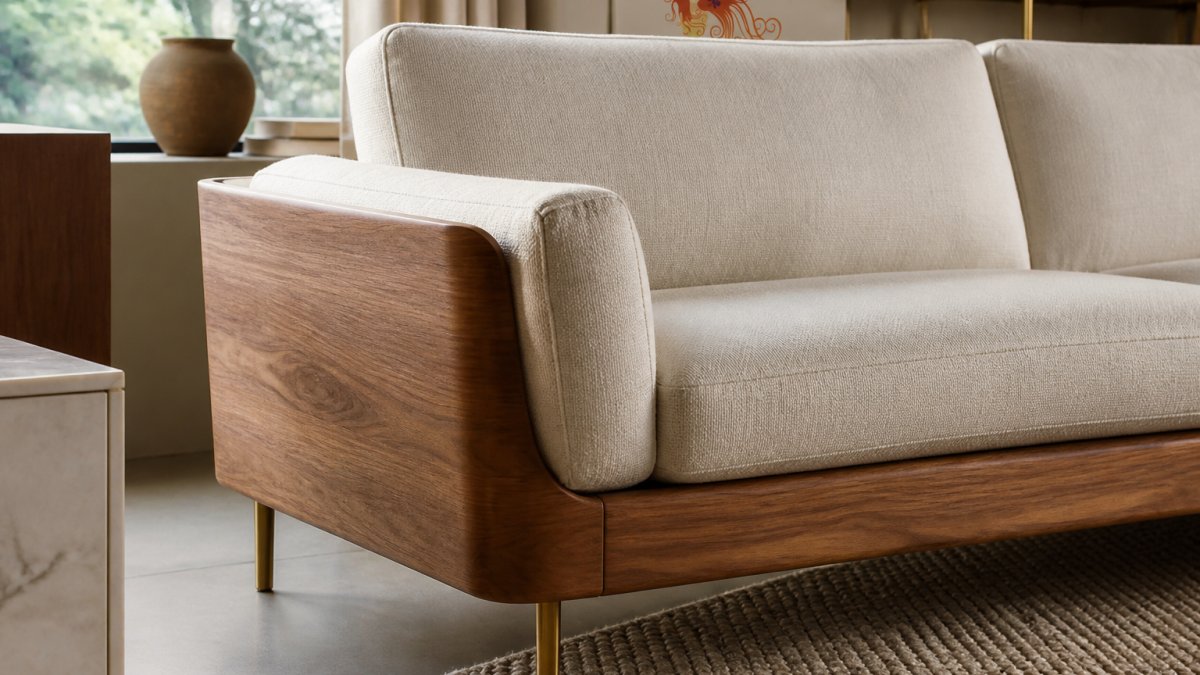
The difference between a piece that sells in a week and one that languishes for months often comes down to photography. High-end buyers make decisions based on images, they need to see wood grain, upholstery texture, joinery details, and how the piece relates to a room.
Photograph in natural daylight. Harsh overhead lighting or flash flattens colors and hides details that make luxury furniture worth the price. Shoot from multiple angles: straight-on, three-quarter view, close-ups of hardware or wood details.
Include context shots showing the furniture in a room setting. This is why Le Rouge Tete’s “live in” layout works so well for buyers, they can actually visualize the piece in their own space.
Document condition honestly. Show any wear, patina, or restoration work. Buyers of high-end pieces expect transparency. Hidden damage discovered after purchase destroys trust and often leads to returns or disputes.
How to Price Luxury Furniture for Resale
Pricing is where emotion and data collide. Your sofa cost $4,000 five years ago. That doesn’t mean it’s worth $3,500 now. The resale market for high-end furniture is driven by condition, current design trends, provenance, and local demand.
Research comparable pieces on the platforms where you plan to sell. Look for the same designer, style, and condition. What are they listed for? What did they actually sell for? (Listed price and sale price are often different.) This data becomes your baseline.
Apply a depreciation curve. Designer furniture retains value in good condition, depending on the designer and style. Mid-century modern and contemporary pieces hold value better than trendy styles. Pieces with documented provenance or authentication command premiums.
Factor in condition. A piece with minor cosmetic wear is worth significantly more than one requiring restoration. If your furniture needs reupholstering, cleaning, or repair, decide whether to invest in restoration before selling or price accordingly to account for buyer repair costs.
Consider the platform. 1stDibs buyers expect premium pricing and will pay for authenticated luxury. Facebook Marketplace buyers are price-sensitive and expect discounts. Chairish sits in the middle.
Consignment vs. Direct Sale for Designer Furniture
Consignment means the store or platform sells your furniture on your behalf and takes a commission. Direct sale means you handle everything yourself, photography, listing, buyer communication, payment processing, and often shipping logistics.
Consignment removes the operational burden. Le Rouge Tete handles presentation, buyer interaction, and payment. You don’t negotiate with strangers or coordinate shipping. The 50/50 split is your cost for that convenience.
Direct sale on platforms like Facebook Marketplace or OfferUp gives you most of the proceeds (minus platform fees). You control pricing and can adjust quickly based on interest.
The math depends on your situation. If a piece sells for a certain amount on consignment at 50/50, you net half. If you sell the same piece directly, you might net more, but you spend time managing the sale.
For high-value pieces, consignment with an authenticated marketplace like 1stDibs or a local specialist like Le Rouge Tete reduces your risk. Authenticated platforms verify buyer legitimacy and handle payment security. Direct sales with strangers carry higher fraud risk, especially for valuable items.
Which Platform Should You Choose?
Start with your inventory and timeline. If you have 1-3 pieces and live locally, Le Rouge Tete’s consignment model offers simplicity and fair terms with no pressure to sell quickly. If you have authenticated designer pieces and can wait for the right buyer, 1stDibs reaches collectors willing to pay premium prices.
For logistics-heavy sales, Kaiyo’s white-glove service eliminates the shipping nightmare. For speed and local reach, Facebook Marketplace and OfferUp work if you’re willing to manage buyer communication directly. For rare or collectible pieces, eBay’s auction format can drive competitive bidding among collectors.
The best platform isn’t always the one with the biggest audience, it’s the one where your specific furniture finds the right buyer at fair terms. High-end luxury furniture deserves more than a generic listing. Match your pieces to platforms where buyers understand their value.
| Platform | Commission | Best For | Logistics | Local/Online |
|---|---|---|---|---|
| Le Rouge Tete | 50/50 split | Local sellers, convenience | $50 local pickup | Local only |
| 1stDibs | Subscription-based | Authenticated luxury, dealers | Included support | Online global |
| Chairish | Commission-based | Mid-to-high designer pieces | Integrated tools | Online |
| Kaiyo | Commission-based | Multi-item sellers | White-glove included | Online (regional) |
| Facebook Marketplace | Fees apply | Fast local sales | Buyer arranges | Local |
| eBay | Commission-based | Rare/collectible pieces | Shipping program | Online global |
Selling high-end luxury furniture requires matching your pieces to buyers who understand their value. Generic marketplaces treat your designer credenza the same as mass-produced alternatives. Specialized platforms connect you with collectors, designers, and serious buyers willing to pay what quality deserves.
Frequently Asked Questions
What’s the difference between consignment and selling luxury furniture outright?
Consignment means the marketplace sells your furniture on your behalf and takes a commission after the item sells. Direct sale platforms let you list and sell immediately, but you handle shipping and buyer communication. Consignment reduces your effort but lowers net proceeds; direct sale gives you more control and higher payouts but requires more work managing logistics, photography, and negotiations.
How do I determine the resale value of my luxury furniture?
Research recent sales of similar pieces on platforms like 1stDibs, Chairish, and eBay to find comparable items and their selling prices. Factor in condition, original retail price, brand prestige, age, and demand for that style. Mid-century modern and designer pieces hold value better than contemporary mass-produced furniture. Consider professional appraisal for high-value antiques or bespoke pieces.
Which platform is best for selling high-end designer furniture quickly?
Some platforms offer faster turnaround due to white-glove services. Local options can move fast for neighborhood sales. For premium designer pieces, 1stDibs and Chairish attract serious collectors willing to wait, but sales take longer. Speed depends on whether you prioritize quick cash or maximum price.
Do I need professional authentication for vintage or antique furniture?
High-value pieces benefit from authentication, especially on platforms like 1stDibs that cater to collectors. For mid-range vintage furniture, detailed condition reports and provenance documentation suffice. Platforms like Chairish and Kaiyo inspect items themselves, reducing your burden. Authentication adds credibility and justifies premium pricing, particularly for mid-century modern and artisan pieces where provenance affects resale value significantly.