
Table of Contents
- Why In-Person Safety Matters When Selling Locally
- Safe Meetup Spots for Online Sales in Your Area
- Facebook Marketplace Buyer Screening Questions to Ask First
- How to Spot a Facebook Marketplace Scammer Before You Meet
- Digital Safety and Privacy: Protecting Your Personal Information
- Item-Based Safety Protocols for Furniture and Large Items
- Handling Cash Transactions and Payment Security
- Post-Transaction Dispute Resolution and Follow-Up
- Frequently Asked Questions
Last Updated: September 10, 2026
Why In-Person Safety Matters When Selling Locally
Meeting strangers to hand over a couch, a dresser, or a set of dishes has become routine for anyone selling locally. The convenience is real, but so is the risk. According to FBI Internet Crime Complaint Center annual reports, online marketplace transactions remain a recurring source of fraud and personal safety complaints each year. This guide from Le Rouge Tete covers how to meet facebook marketplace buyers safely without turning a simple sale into a problem.
Most sellers treat a meetup as a formality: post an item, get a message, agree on a time, show up. That skips every safety checkpoint. Below, we break the process into screening, location, payment, and follow-up.
Safe Meetup Spots for Online Sales in Your Area
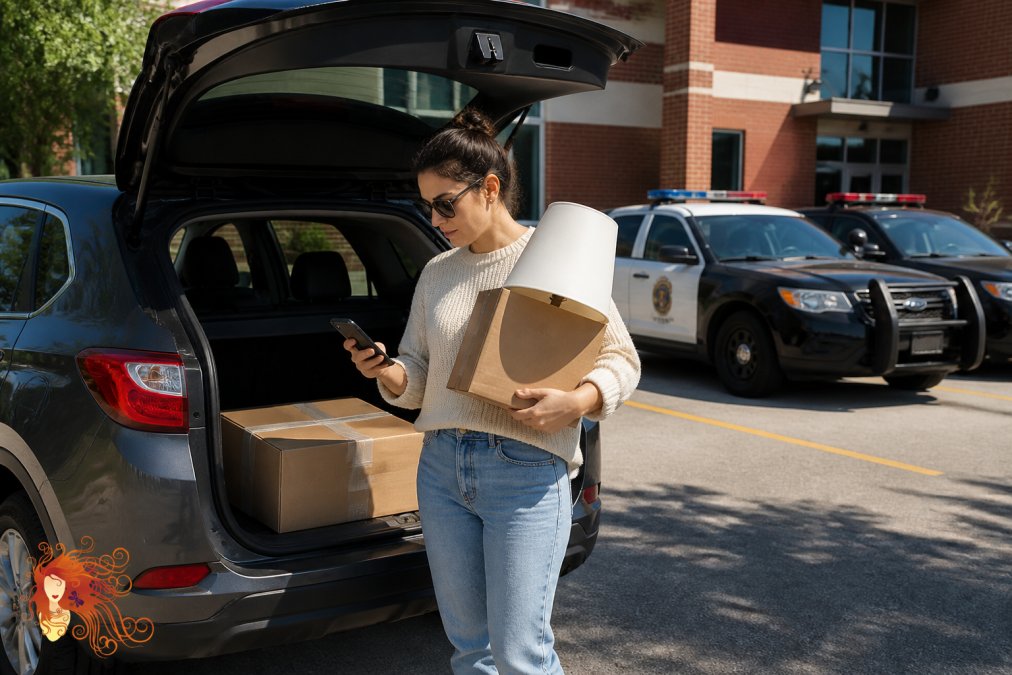
The safest meetup spot is a well-lit public place with steady foot traffic and, ideally, security cameras. Police station parking lots, grocery store entrances, and busy coffee shop patios all fit. The goal: witnesses, visibility, and a quick exit if something feels wrong.
Best Public Locations for Daytime Exchanges
Daytime exchanges eliminate most of the risk of darkness and empty lots. Aim for mid-morning or early afternoon, when a location is busiest. Reliable options:
- Police or sheriff’s department parking lots, many of which set aside designated exchange zones
- Grocery store and pharmacy entrances with active foot traffic
- Bank lobbies or vestibules, which usually have cameras and staff nearby
- Busy coffee shops where you can sit inside and complete the handoff
A common mistake is choosing a location for the buyer’s convenience. Convenience should never override visibility. If a buyer pushes back on meeting in public, treat it as a red flag and move on.
When Porch Pickup Makes Sense
Porch pickup works for low-value, contactless exchanges where the item is outside and payment clears first. It does not work for cash or high-value items, because you lose control over who arrives and when.
If you offer porch pickup, keep the item out of sight from the street, require traceable prepayment, and never leave a door unlocked. A doorbell camera adds accountability. For anything worth more than a few dollars, insist on an in-person exchange in public instead.
Facebook Marketplace Buyer Screening Questions to Ask First
When you meet facebook marketplace buyers, screening questions should confirm identity, intent, and payment method before any meetup. A short, polite exchange filters out most bad actors within two or three messages. Ask these before sharing your address or locking in a time:
- What name should I expect on the payment?
- Are you planning to pay cash or through the app?
- Do you need to bring help for a large item?
- What time works for you, and can you confirm the day before?
Vague answers, rushed replies, or pressure to “just send the address” are signals to slow down. A legitimate buyer answers plainly.
Template Scripts for Initial Messages
Copy these and adjust as needed:
“Hi! Thanks for your interest in the [item]. I meet buyers at [public location] during daytime hours. Are you able to pay cash in person, or would you prefer an app payment? Let me know what day works and I’ll confirm the details.”
“Before we set a time, can you confirm the name on your Facebook profile matches who will be picking up? I like to keep things straightforward for both of us.”
“For larger items, I meet at [location] and can help load. Please bring a friend if you need extra hands. I’ll send a reminder the morning of our meetup.”
These scripts set boundaries without sounding hostile and create a written record of the terms, which matters if a dispute arises.
How to Spot a Facebook Marketplace Scammer Before You Meet
Knowing how to spot a Facebook Marketplace scammer comes down to recognizing patterns: urgency, overpayment, off-platform requests, and refusal to meet in public. Scammers rely on speed and confusion. Slow the conversation down and they usually disappear.
Watch for these signals:
- A brand-new profile with no friends, photos, or activity
- An offer above your asking price “to hold the item”
- A request to move the conversation to text, email, or a payment app immediately
- A story about a relative or courier who will “pick up” the item
- Payment screenshots that look slightly off, or requests for your email to “send funds”
A buyer vetting check takes seconds: look at the profile, when it was created, and whether the person has real history. If something feels off, trust that instinct.
Digital Safety and Privacy: Protecting Your Personal Information
Most safety guides stop at the parking lot. The bigger exposure happens before you meet anyone: your listing, photos, and profile can hand a stranger your address, schedule, and social circle without you typing a word.
Your Listing Photos Are a Map
A photo of a couch in your living room can reveal more than you think (consumer.ftc.gov). Street signs, house numbers, a distinctive front door, a mailbox, or a background landmark can all locate you. Metadata in the image file can carry GPS coordinates if location services were on.
Before you upload:
- Turn off location tagging for your camera app, or strip metadata before posting. Most phones let you remove location data when sharing a photo.
- Shoot items against a plain wall or in a garage, not in a room with windows or identifying features.
- Crop out house numbers, street signs, license plates, and mail.
- Avoid photos that show the same room repeatedly across listings, a pattern of images can be stitched together to identify a home.
Keep Your Address Out of the Conversation
Never put your home address in a public listing or early message. Use the platform’s messaging until you have confirmed the buyer is legitimate, then share only the meetup location, a public place, not your home.
If you sell often, separate your marketplace identity from your personal one:
- Use a dedicated email address or phone number for marketplace activity.
- Review your privacy settings so strangers cannot see your full friend list, posts, or check-ins. A public friend list is a roadmap for anyone trying to build trust or find you.
- Avoid accepting friend requests from buyers. Keep the relationship inside the marketplace thread.
Porch Pickup Without Exposing Your Home
Porch pickup is the highest-risk convenience because it brings a buyer to your address. If you use it, structure it so your address is never handed over freely.
- Require prepayment through a traceable method before the item is placed outside. No cash, no exceptions.
- Place the item out of sight from the street, and never leave a door unlocked or a garage open.
- Use a doorbell camera for accountability, and note the time the item is collected.
- For anything worth more than a few dollars, skip porch pickup entirely and meet in public.
A common pattern is to offer porch pickup only to repeat or verified buyers, and to use a neutral staging spot, a side gate, a shared entry, or a garage, rather than your front door.
Clean Up After the Sale
Once a transaction is complete, delete or archive the conversation and remove the listing. There is no reason to leave your name, photos, and details in a stranger’s inbox or on a public page. If a buyer keeps messaging after the sale, stop responding and report the account through the platform.
Treat your marketplace presence like a separate identity. The less a stranger can learn about where you live and who you know, the less leverage they have, online or in person.
Item-Based Safety Protocols for Furniture and Large Items
Large items create their own logistics, and logistics create risk. A couch or dresser requires a truck, a helper, and a loading window, more time on site and more opportunity for something to go wrong.
For furniture and oversized pieces:
- Meet at the buyer’s vehicle or a loading zone, not inside your home
- Have the item staged in a garage or driveway before the buyer arrives
- Ask the buyer to bring a second person for heavy lifting
- Confirm dimensions and condition in writing before the meetup to prevent disputes
If you’re selling from a home you’re vacating, consider a consignment route instead of a series of in-person handoffs. Le Rouge Tete offers convenient local pickup for large items and manages the buyer relationship, which removes the meetup risk entirely.
Handling Cash Transactions and Payment Security
Payment is where a smooth sale turns into a loss. The risk is the gap between what a payment looks like and what has actually cleared in your account. Match the method to the item, and verify settlement before anything leaves your hands.
Cash: Fast, Final, and Counterfeit-Prone
Cash has no chargeback and no reversal, making it ideal for smaller items, but it is the only method where the money itself can be fake.
- Meet at a bank or credit union branch so you can walk inside and have a teller verify bills if anything feels off. Most branches will check large bills for free for account holders.
- Count the cash in front of the buyer, in good lighting, before you hand over the item. Do this every time, even when it feels awkward.
- Check the standard security features on larger bills: the security thread, the watermark visible when held to light, and the color-shifting ink. The U.S. Currency Education Program counterfeit detection guide walks through each denomination.
- Decline bills that feel slick, look washed out, or lack a clear watermark. You are not obligated to accept questionable currency.
For anything over a few hundred dollars, cash becomes a liability, carrying it, counting it in public, and the counterfeit risk all scale up. Move those transactions to a verified digital payment instead.
App Payments: The Settlement Trap
Peer-to-peer payment apps are the most misunderstood part of local sales. A notification, a screenshot, or even a pending transfer is not money in your account. Sellers lose items every week by handing them over too early.
Most peer-to-peer apps show a payment as pending or processing before it settles, and some let the sender cancel during that window. A screenshot of a “sent” screen proves nothing, it can be edited in seconds and does not reflect whether the transfer will complete.
How to verify correctly:
- Open your own app and confirm the balance has actually increased, not that a notification arrived.
- Check the transaction status inside your account. If it says pending, processing, or on hold, the money is not yours yet. Do not release the item.
- Be wary of any buyer who insists on showing you their screen instead of letting you check your own. That is a redirect, not a confirmation.
- For high-value items, use a payment method with buyer and seller protection, or complete the exchange at a bank where you can deposit and confirm on the spot.
The most common payment mistake is releasing an item after seeing a payment notification or screenshot. Screenshots are trivial to fake, and pending transfers can be canceled. Once the item is gone, recovery is nearly impossible. Always confirm the funds have settled in your own account first.
Match the Method to the Item
- Under about $50: cash is fine, verified in hand.
- $50 to a few hundred: cash at a bank, or a settled app payment you have confirmed in your own account.
- High-value electronics, furniture, or anything you cannot easily replace: use a method with a paper trail and protection, and never release the item on a promise.
A legitimate buyer will not object to waiting two minutes while you confirm funds. If someone pushes you to hand over the item before the money is real, that pressure is the answer.
Post-Transaction Dispute Resolution and Follow-Up
Most disputes after a local sale come down to condition, not payment: the buyer claims damage, or you claim payment never cleared. Either way, documentation is your best defense.
Keep a record of the listing description, messages, agreed price, and meetup time. If a buyer complains after the sale, respond calmly and reference the original terms. Facebook’s resolution tools work best when you have a clear paper trail.
For high-value items, take dated photos before the handoff showing the item’s condition. This protects you if a buyer later claims the item arrived damaged. If a dispute escalates, stop communicating and report the account through the platform.
Frequently Asked Questions
Is it safe to meet someone from Facebook Marketplace?
Meeting buyers is generally safe when you follow basic precautions. Always meet in a public place with foot traffic and security cameras, like a police station parking lot or a busy shopping center. Bring a trusted companion, tell someone your meeting logistics, and share your location. Trust your instincts: if a buyer pressures you to meet alone or at night, cancel. Most transactions go smoothly when you prioritize personal safety and use common sense.
How do I verify a buyer’s profile before meeting?
Check their Facebook profile for red flags: an account created recently, few friends, no profile photo, or a history of Marketplace activity that seems inconsistent. Look for verified badges or mutual friends. Ask screening questions like ‘What brings you to this area?’ or ‘When are you available to meet?’ Scammers often give vague answers or rush the conversation. A legitimate buyer will answer questions and respect your communication boundaries.
What are red flags for Marketplace buyers?
Watch for buyers who refuse to meet in public, insist on paying before seeing the item, or offer more than your asking price. Other red flags include poor grammar, urgent language, requests for your phone number immediately, and pressure to ship the item. If a buyer asks for personal information like your address before confirming the sale, that’s a warning sign. Trust your gut and walk away from suspicious behavior.
Should I give my phone number to a Facebook Marketplace buyer?
Avoid sharing your phone number until you’ve confirmed the buyer is serious and you’ve agreed on a meetup. Use Facebook Messenger for initial communication to keep your personal information private. If you do share your number, use a Google Voice number or similar service. Never give your home address. Instead, share the public meetup location. Protecting your digital footprint reduces transactional risk and keeps your personal life separate from business.
Selling locally doesn’t have to be risky, but it does require a process. If managing meetups, payment verification, and buyer screening sounds like more work than it’s worth, Le Rouge Tete offers a simpler path. Our 50/50 consignment split, no end dates, and convenient local pickup for large items let you hand off the logistics entirely. With over 16 years serving the community, we handle the buyers so you don’t have to. Contact Le Rouge Tete to get started.