
Table of Contents
- Why a Local Furniture Store in Morehead City Beats Big-Box Retail
- Benefits of Buying Consignment Furniture: Quality, Price, and Sustainability
- How to Style Pre-Loved Furniture for a Coastal Look
- Best Practices for Selling Furniture on Consignment
- Interior Design Consultation Services for Coastal Homes
- Furniture Maintenance for Coastal Climates
- Local Delivery Radius and Logistics: What to Know Before You Buy
- Sustainable and Locally Sourced Furniture: A Growing Trend
- Frequently Asked Questions
Last Updated: September 25, 2026
Why a Local Furniture Store in Morehead City Beats Big-Box Retail
Chain furniture stores offer flat-packed particleboard, six-week shipping, and floors arranged by price point. A furniture store Morehead City shoppers trust works differently, and the difference shows up in what you bring home.
The U.S. Environmental Protection Agency’s guidance on sustainable materials management makes a point that consignment shoppers already understand: keeping quality furniture in use longer is one of the most effective ways to reduce waste. Mass-market pieces are often built to be replaced. Consignment pieces were built to last.
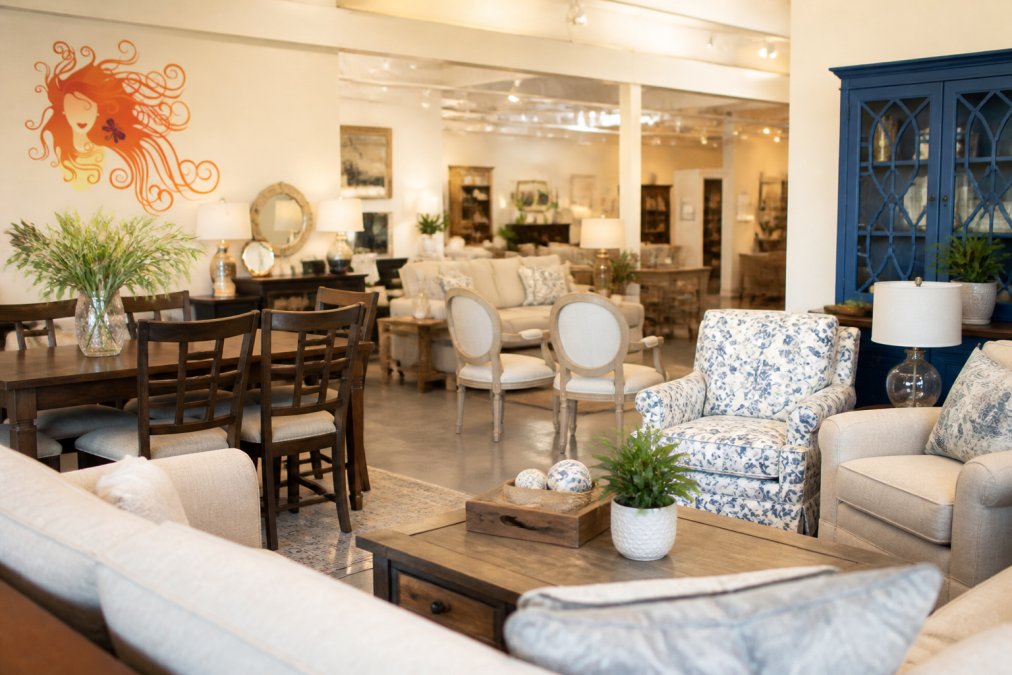
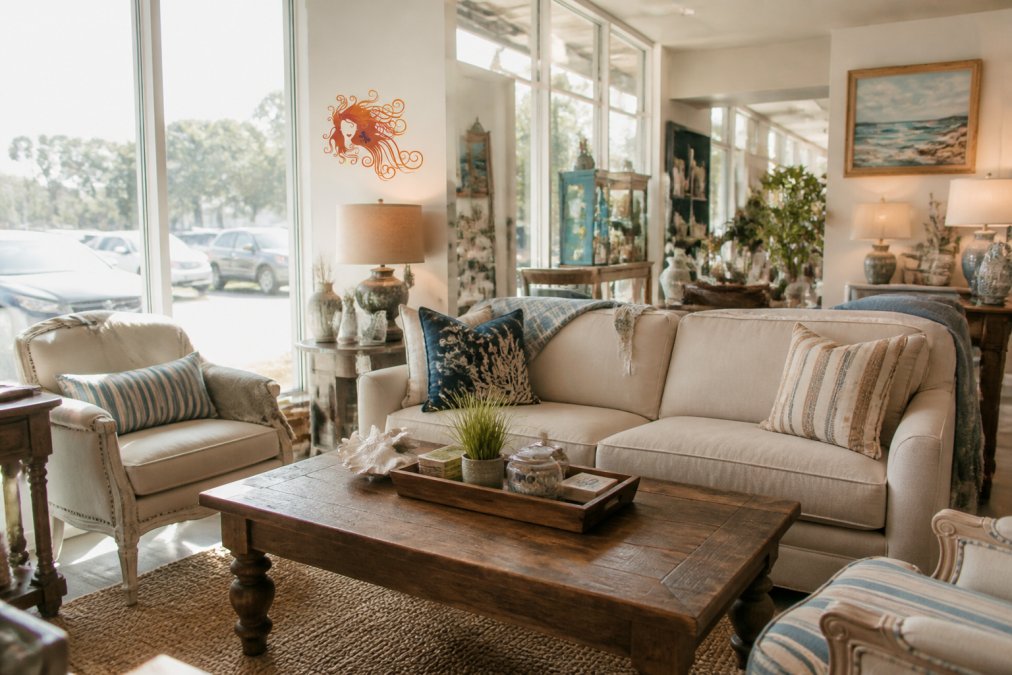
At Le Rouge Tete, we’ve spent over 16 years helping Crystal Coast residents furnish homes with pre-loved pieces that cost far less than retail. Our showroom’s “live in” layout shows how a sectional or bedroom suite fits a real room before you commit.
Here’s what most buying guides skip: the real advantage of shopping local isn’t just price.
Benefits of Buying Consignment Furniture: Quality, Price, and Sustainability
Consignment furniture offers three advantages at once: better construction than most new discount pieces, lower pricing than retail, and a smaller environmental footprint. You’re buying furniture that already survived years of daily use.
How to Inspect Pre-Loved Pieces Before You Buy
Inspect structure before appearance. Run a checklist every time:
- Lift one corner of a sofa and listen for a creaking frame
- Press down on cushions to check for sagging or collapsed foam
- Open every drawer and door; test the glide and alignment
- Look underneath for water stains, warping, or pest damage
- Check upholstery seams for splitting and smell for mustiness
- Rock chairs and tables to confirm all four legs sit level
Bring a tape measure and your room’s dimensions. A piece that looks perfect in a showroom can be two inches too wide for your doorway, and that’s the mistake that turns a great find into a storage problem.
How to Style Pre-Loved Furniture for a Coastal Look
Styling pre-loved furniture for a coastal look comes down to light neutrals, natural textures, and restraint, a room that feels breezy and lived-in, not themed. What most style guides skip is the process: how a designer decides what goes where before a single piece is bought. A good interior design consultation walks you through that same process, and you can run it yourself.
The Four-Step Consultation Framework
Designers rarely start with furniture. They start with constraints. Run these four steps in order and you will avoid the most expensive mistakes in coastal decorating.
Room-by-Room Starting Points
- Living room: Anchor with a neutral sofa, then add one vintage trunk or reclaimed-wood coffee table for contrast. Keep the palette to sand, white, soft blue, and warm wood.
- Bedroom: A solid-wood bed frame with white bedding and one textured throw does more than a matching suite. Nightstands in a different era than the bed read as collected, not catalog-ordered.
- Dining room: A weathered wood table seats six comfortably at 72 inches; eight needs closer to 84. Pair with mixed chairs rather than a matched set.
- Outdoor or sunroom: Choose pieces that tolerate humidity, teak, powder-coated aluminum, synthetic wicker, and store cushions indoors during the wettest months.
Mixing Old and New: Accent Pieces That Pull a Room Together
Before you buy, tape the footprint of the piece on your floor with painter’s tape and live with it for a day. It is the cheapest design consultation you will ever run, and it catches scale problems a showroom never will.
Le Rouge Tete offers personalized assistance with moving items around the showroom so you can visualize how a piece works in your own layout.
Best Practices for Selling Furniture on Consignment
Selling furniture on consignment works best when you understand the terms before the truck arrives. Clean the piece, photograph it in good light, price it realistically, and confirm the split and pickup policy in writing.
Pricing, Timing, and What to Expect from a 50/50 Split
A 50/50 split means the seller and the store each receive half of the final sale price. The store handles display, marketing, and the buyer relationship while you avoid the logistics of selling yourself.
Photograph your piece before it leaves your home and note any existing scratches or wear. Without a record, a damage dispute becomes your word against the buyer’s, and most consignment agreements put that risk on the seller.
Interior Design Consultation Services for Coastal Homes
Interior design consultation services help you plan a room before you spend a dollar on furniture, preventing the most expensive styling mistake: buying pieces that don’t fit the space, the light, or each other.
Furniture Maintenance for Coastal Climates
Coastal climates are hard on furniture: humidity swells wood, salt air corrodes hardware, and intense sun fades upholstery faster than inland. A simple maintenance routine keeps quality pieces looking new for years.
| Problem | Fix | Frequency |
|---|---|---|
| Wood swelling and sticking drawers | Run a dehumidifier; wax drawer glides | Monthly in humid months |
| Salt film on metal hardware | Wipe with a damp cloth, then dry fully | Weekly |
| Faded upholstery | Rotate cushions; use window film or blinds | Seasonally |
| Musty odors in cushions | Air pieces outside on dry days | Quarterly |
| Loose joints and screws | Tighten and add wood glue at joints | Every 6 months |
Local Delivery Radius and Logistics: What to Know Before You Buy
Local delivery radius and logistics determine whether a great find makes it home. Before buying a large piece, confirm the delivery area, fee structure, and whether the store handles stairs and tight doorways.
Ask three questions before committing to any large purchase:
- Does the delivery team cover your address, and is there a distance limit?
- Is the delivery fee flat or based on size and distance?
- Who is responsible if a piece is damaged in transit?
Confirm delivery logistics before you fall in love with a piece. The best deal in the showroom stops being a deal if moving it costs more than the furniture.
Sustainable and Locally Sourced Furniture: A Growing Trend
Sustainable and locally sourced furniture is moving from niche preference to mainstream buying criterion. Shoppers increasingly weigh where a piece came from, how it was made, and whether it will outlast the room it’s in. The U.S. Environmental Protection Agency’s guidance on sustainable materials management frames the core idea plainly: keeping durable goods in use longer is one of the most effective ways to reduce waste, because the environmental cost of a product is largely locked in at the moment it is manufactured.
Why Consignment Is the Highest-Impact Choice
Every consigned piece is one less item headed to a landfill and one less new item manufactured, shipped, and packaged. That second half matters more than most shoppers realize. A new sofa carries embodied energy from raw materials, milling, assembly, and shipping, often across an ocean. A consignment sofa carries none of that new burden; the manufacturing already happened, and you are simply extending its useful life.
What “Locally Sourced” Actually Means
The phrase gets used loosely. A useful test is to ask three questions:
- Where is the piece physically located right now? If it is on a showroom floor within driving distance, it is local. If it ships from a warehouse three states away, it is not.
- Who handles the transaction? A neighborhood shop that inspects, prices, and delivers the piece keeps the money and the jobs in the community.
- How far does it travel to reach you? A 20-mile delivery has a fraction of the fuel footprint of a 2,000-mile freight shipment.
How to Vet a Sustainability Claim
- Look for specific, checkable statements (“solid wood frame,” “reclaimed,” “locally consigned”) rather than vague ones (“eco-friendly,” “green”).
- Ask what happens to unsold inventory. A shop that keeps consignments on the floor until they sell, rather than cycling them out on a fixed schedule, is not generating disposal waste.
- Prefer durability over labels. A solid-wood piece that lasts 30 years beats a “sustainable” particleboard piece that lasts three, every time.
Sustainability in furniture is not a certification you buy, it is a lifespan you extend. The most sustainable piece in any showroom is the one that will still be in use a decade from now.
That combination of affordability, quality craftsmanship, and lower environmental impact is why consignment keeps gaining ground on the Crystal Coast.
Frequently Asked Questions
What are the benefits of buying consignment furniture?
Consignment furniture offers significant savings compared to retail, often 50% or more off original prices. You’ll find unique, high-quality pieces that big-box stores don’t carry, and many items are gently used or like-new. Buying consignment also supports sustainability by keeping furniture out of landfills. At a local consignment store in Morehead City, you can inspect items in person, ensuring they match your style and fit your space before purchasing.
How does the consignment process work for sellers?
When you consign furniture, the store displays and sells it for you. At Le Rouge Tete, the split is 50/50, and there are no end dates, so your items stay on the floor until sold. You set the price with guidance from the store, and payment is issued once the item sells. This approach removes the hassle of listing, showing, and negotiating with buyers yourself, while still earning fair value for your pieces.
How do I choose between buying new furniture versus pre-loved pieces?
New furniture offers the latest styles and a warranty, but comes at a higher cost and often requires assembly. Pre-loved pieces are more affordable, often better made (especially older solid-wood items), and available immediately. For coastal homes, pre-loved furniture can be more forgiving of humidity and salt air. Visit a local consignment store to see the quality firsthand and decide what works for your budget and style.
What should I look for when inspecting used furniture?
Check for structural integrity: wobble the piece, inspect joints, and look for cracks or water damage. Test drawers and doors for smooth operation. Smell for musty odors, which can indicate mold. Look under cushions and behind upholstery for stains or pet hair. It’s still wise to give them a thorough once-over. Ask about the return policy and delivery options.