
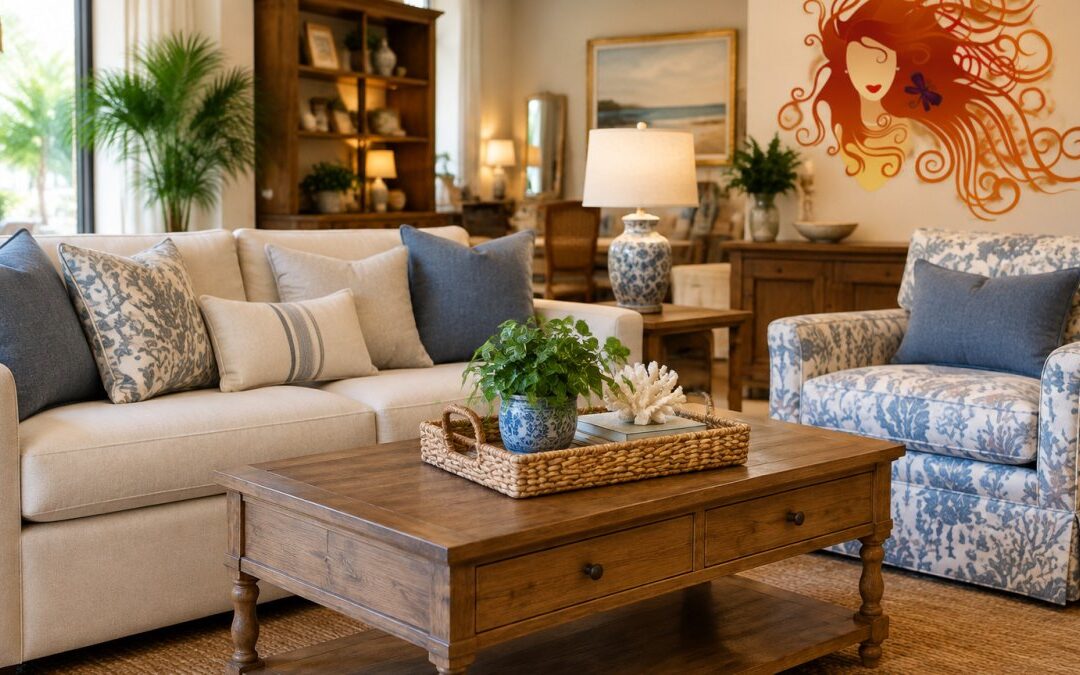
Quick Summary
Creating furniture bundles to increase sales means grouping three to five matching pieces around one anchor item, such as a sofa or bed, and selling them together at a single price below the sum of the parts. Start by naming the buyer and occasion, choose an anchor you can restock, add companions the anchor buyer would buy anyway, and set a margin floor before pricing.
- Aim for three to five total pieces, since that is the sweet spot for most furniture bundles.
- Lead with an anchor piece people already want, because shoppers judge the deal by the anchor.
- Set a margin floor on the whole set and refuse any bundle that falls below it.
- Show separate prices beside the bundle price so the savings are visible.
- Track average order value, attachment rate, conversion, and inventory turnover after each bundle campaign.
Table of Contents
- Why Furniture Bundles Increase Sales
- Step-by-Step: How to Build a Furniture Bundle
- Creating Furniture Bundles to Increase Sales: Examples by Room and Budget
- Furniture Bundle Pricing Strategies and the Psychology Behind Them
- Furniture Promotions That Drive Sales, Including Seasonal Campaigns
- Merchandising Bundles In Store and Online
- Booking Your Next Step: Bring Your Pieces or Shop the Bundles at Le Rouge Tete
- Frequently Asked Questions
7 Ways to Build Furniture Bundles That Boost Sales
Last Updated: November 22, 2026
Furniture shoppers rarely buy one piece at a time. They want a room that works together, and a matched set makes that easy. Creating furniture bundles to increase sales is not complicated, but it does take a clear method. Below, we walk through how to pick complementary pieces, match them to real customer needs, price them with confidence, and promote them in store and online.
Why Furniture Bundles Increase Sales
A furniture bundle is a group of pieces sold together at one price, usually chosen to work as a complete look. Bundles make shopping easier. Instead of hunting for a matching end table, a shopper finds one ready to go.
Bundles help sellers in three main ways:
- Higher order value: A customer who buys a sofa and a lamp spends more than one who buys only the sofa.
- Faster turnover: Pairing a slow-moving piece with a popular one moves inventory that might otherwise sit.
- Stronger perceived value: A set priced as one unit often feels like a better deal than separate items.
Many shoppers also feel more confident when pieces already match. That confidence matters, especially for buyers who worry about how secondhand furniture will look in their homes.
Step-by-Step: How to Build a Furniture Bundle
A good bundle starts with a plan, not a guess. The retailers who get the most from bundling treat it as a repeatable process: define the customer, choose the anchor, build the set, set the terms, price it, and launch it.
- Name the buyer and the occasion. Write one sentence before you touch inventory, such as “a first-apartment renter furnishing a living room for under $1,200” or “a vacation-rental owner on the coast who needs durable pieces delivered before Memorial Day weekend.” A bundle built for everyone sells to no one.
- Choose the anchor piece. The anchor is the largest or most in-demand item, usually a sofa, bed, or dining table. It sets the style, the price ceiling, and the shopper’s first impression. Pick an anchor you can restock or repeat; a one-of-a-kind anchor makes the bundle a one-time offer.
- Add two to four companions. Three to five total pieces is the sweet spot for most furniture bundles. Fewer than three feels like a pair of items rather than a set; more than five makes the price intimidating and the photography crowded. Companions should be items the anchor buyer would otherwise buy separately: end tables, lamps, rugs, accent chairs, nightstands, mirrors.
- Apply a style and scale filter. Pieces should share a finish family, wood tone, or design era, and they should be proportionally right for the anchor. A heavy sofa paired with a delicate side table reads as a mismatch in photos and in the showroom. Check dimensions against the anchor before you commit.
- Write the bundle rules. Decide up front whether the set is fixed (all pieces, one price, no swaps) or configurable (choose one of two nightstands, add a rug for a set amount). Fixed bundles are simpler to photograph and price; configurable bundles convert better with shoppers who have a specific room in mind but cost more staff time. State clearly whether the bundle price holds if a piece sells separately, and whether pieces can be returned individually.
- Price the set against the sum of its parts. Add the individual prices, then set the bundle price below that total but above your margin floor. Show the separate prices next to the bundle price so the savings are visible. Build in delivery or pickup costs before you finalize the number.
- Launch with a photo, a title, and a deadline. Photograph the set styled together, give it a plain descriptive title such as “Living Room Bundle: Sofa, End Table and Lamp,” and attach a start and end date so the offer has urgency.
Watch out: the most common failure is building a bundle around a slow-moving anchor and hoping the companions carry it.
Choosing Complementary Pieces by Room
Each room has its own natural groupings. Build bundles around how people actually use the space.
- Living room: Sofa, coffee table, and one accent chair or lamp. A larger set can add a rug and a second lamp.
- Bedroom: Bed frame, two nightstands, and a dresser. A starter version can drop the dresser.
- Dining room: Table, four matching chairs, and a sideboard or bench.
Pieces that share a style period or wood tone sell better together. A mismatched set often confuses shoppers, and confusion shows up as abandoned carts and unanswered questions.
Matching Pieces to Customer Need and Budget
Ask what the customer is trying to do. A first apartment needs affordable basics. A homeowner refreshing a den may want a statement piece. A vacation-rental owner needs durable, matching items they can furnish quickly and replace easily.
Offer the same room in two tiers: a starter bundle with the anchor and two companions, and a fuller bundle that adds the extras. Two tiers let shoppers self-select by budget without you discounting the base set. Watch out: bundles that ignore budget tend to stall, so keep at least one tier within reach of your most common buyer.
The seven steps below summarise the bundle-building method, with the time or timing guidance the article gives for each.
| Step | What to do | Key guidance |
|---|---|---|
| Name the buyer and occasion | Write one sentence defining the buyer | A bundle built for everyone sells to no one |
| Choose the anchor piece | Pick the largest or most in-demand item | Pick one you can restock or repeat |
| Add two to four companions | Add items the anchor buyer would buy anyway | Three to five pieces total is the sweet spot |
| Apply a style and scale filter | Match finish, tone, or era and check dimensions | Heavy sofa with delicate table reads as mismatch |
| Write the bundle rules | Decide fixed or configurable, and return terms | Fixed is simpler to photograph and price |
| Price against the sum of parts | Set bundle price below total, above margin floor | Show separate prices beside the bundle price |
| Launch with photo, title, deadline | Style the photo, title it plainly, set dates | Attach a start and end date for urgency |
Creating Furniture Bundles to Increase Sales: Examples by Room and Budget
Concrete examples make bundling easier to picture. Here are three ideas:
- Small living room, budget-friendly: A loveseat, a round end table, and a floor lamp in matching neutral tones.
- Coastal bedroom: A rattan-style headboard, two nightstands, and a dresser in light wood.
- Vacation rental, furnished fast: Two bed frames, matching nightstands, a dining set for four, and a sofa in a durable fabric.
For a small living room, pairing a loveseat with coordinated accents can make the space feel finished. Customers often pay more for a complete look than for loose pieces.
Furniture Bundle Pricing Strategies and the Psychology Behind Them
Pricing is where many bundles succeed or fail. Most advice stops at “show the savings.” The retailers who profit from bundles go further and treat each bundle as a small business with its own margin, conversion rate, and turnover target.
Set a margin floor before you set a price
Work out your landed cost for every piece in the bundle: what you paid, plus any cleaning, repair, or refinishing, plus an allocation for delivery or pickup. Add those costs, then decide the lowest margin you will accept on the set as a whole. Write the floor down and refuse bundles that fall below it, no matter how attractive the sticker price looks.
Price against the sum of the parts
Add the individual prices of every piece, then set the bundle price below that total. Show both numbers side by side so the savings are visible without a calculator. Keep the discount meaningful enough to notice but not so deep that the bundle undercuts your single-item sales. A bundle that is only slightly cheaper than buying separately gives shoppers no reason to commit.
Use the anchor as the psychological reference
Shoppers judge the deal by the largest item in the set. If the anchor is a sofa priced at $899 and the bundle of sofa, end table, and lamp is $1,099, the shopper compares $1,099 to the sofa alone and sees two extra pieces for $200. That framing is stronger than comparing the bundle to the full separate total. Lead with the anchor price in your signage and listing copy.
Measure the bundle like a product line
A bundle is only working if it improves the numbers you already track. Review these after every campaign:
- Average order value: Compare orders that include a bundle with orders that do not. The bundle should lift the average.
- Attachment rate: The share of bundle buyers who add a non-bundle item, such as a rug, lamp, or delivery service. A healthy attachment rate is what turns a bundle into a larger sale.
- Conversion rate: The share of shoppers who view the bundle listing or showroom display and buy it. Low conversion usually means the price, the photo, or the piece mix is wrong.
Test and refine
Run bundles as limited pilots rather than permanent fixtures. Launch one bundle for a set window, track the five measures above, and compare it with a similar period without the bundle. Change one variable at a time, such as the price, the number of pieces, or the photo, so you know what moved the result.
Pricing depends on quantity, condition, and delivery, so confirm current prices and availability directly with Le Rouge Tete before you finalize any bundle.
Furniture Promotions That Drive Sales, Including Seasonal Campaigns
Promotions give bundles a reason to sell now. Some effective approaches include:
- Seasonal themes: A spring refresh bundle for patios and bedrooms, or a cozy living room set for fall.
- Moving season offers: Bundles for customers furnishing a first home or downsizing.
- Clearance pairings: Attach a slow-moving piece to a popular item at a reduced bundle price.
Keep promotions simple. One clear offer per bundle works better than several competing discounts.
Merchandising Bundles In Store and Online
Shoppers need to see the bundle as a whole. In a store, arrange the pieces the way they would appear in a home. Our “live in” layout helps visitors picture how a set will fit their space.
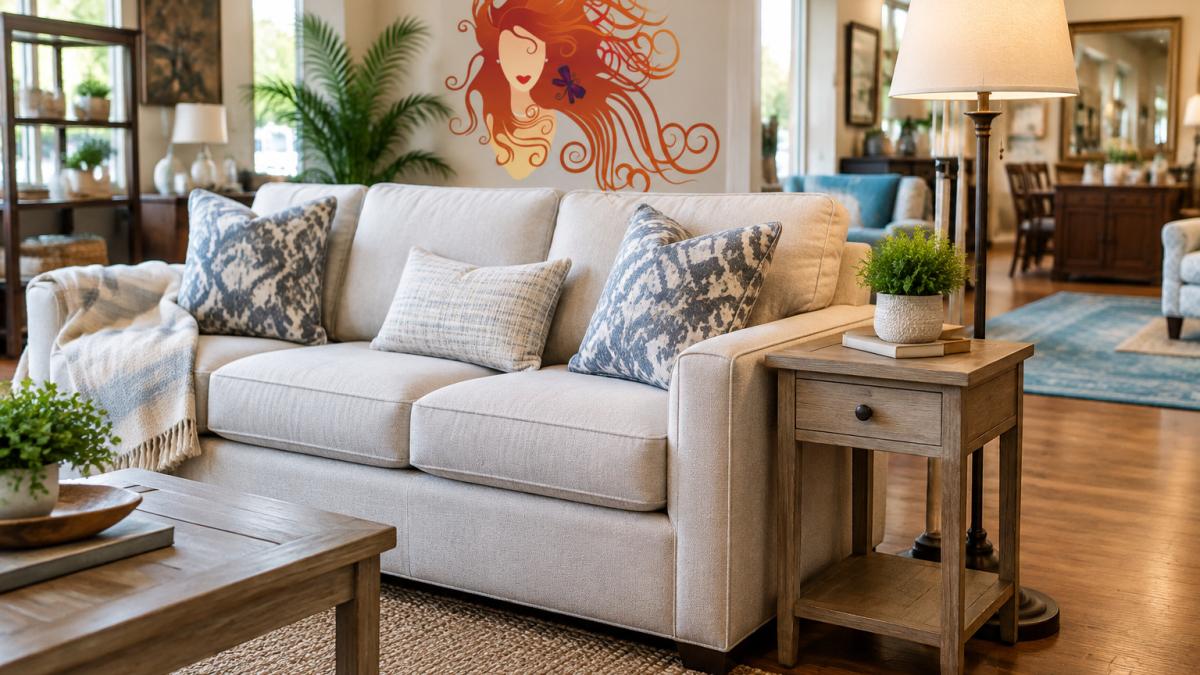
Online, use these steps:
- Photograph the bundle styled together, with room context.
- List all included pieces and their dimensions in the description.
- Use one clear title, such as “Living Room Bundle: Sofa, End Table and Lamp.”
Consistent merchandising builds trust. Customers who see a bundle clearly are more likely to buy it.
Booking Your Next Step: Bring Your Pieces or Shop the Bundles at Le Rouge Tete
Ready to put these ideas into practice? You can bring your own furniture to Le Rouge Tete to consign, or shop our curated bundles and see them arranged in our live-in showroom. Contact us to plan your next step.
Frequently Asked Questions
What is the 2/3 rule for furniture?
The 2/3 rule is a common guideline for furniture arrangement: a rug should be large enough that at least the front legs of the main seating sit on it, and seating groupings should fill about two-thirds of the room’s footprint. For bundles, the same logic applies: pair a sofa with an end table and a lamp sized to its arm height so the set reads as one coordinated room. Shoppers buy bundles more readily when the pieces already look like they belong together.
How do you bundle furniture for sale?
Start by grouping pieces by room or function, such as a bedroom set with a bed frame, nightstands and a dresser, or a living room set with a sofa, accent chair and coffee table. Keep the style, finish and color family consistent so the pieces look intentional. Make the bundle easy to see in the showroom with a live-in display that shows how the pieces work together.
How should you price a furniture bundle?
Price a bundle below the sum of its parts so the shopper feels they are getting a deal, but keep the discount modest enough to protect margin. A fixed bundle price is generally easier to market than a percentage off each item, and it signals value.
What furniture pieces go well together in a bundle?
The strongest pairings are pieces that serve the same room and the same daily routine: a sofa with an end table and a lamp, a bed with nightstands and a dresser, or a dining table with matching chairs and a sideboard. Adding a complementary accent such as a rug or wall art gives the bundle a finished look. Choose pieces that share a style and color direction so the set looks coordinated rather than assembled from unrelated stock.
