
Table of Contents
- Where to Sell Used Furniture Locally
- Consignment vs. Selling Furniture Online
- How to Price Used Furniture for Sale
- Tips for Staging Furniture for Sale
- Safety and Logistics for Local Furniture Sales
- What to Do With Furniture You Can’t Sell
- Conclusion
Last Updated: August 19, 2026
Where to Sell Used Furniture Locally
Selling used furniture locally is one of the fastest ways to declutter your home and earn cash without shipping headaches. The key is matching your furniture to the right channel: consignment shops, online marketplaces, or direct sales. Le Rouge Tete has spent over 16 years helping homeowners and businesses buy and sell pre-loved furniture in the local market. This guide covers the main ways to sell used furniture locally, plus practical strategies for pricing, staging, and staying safe during the process.
Consignment Shops
Consignment shops display and sell your furniture on your behalf, taking a commission when items sell. You bring pieces in, they handle sales and customer interactions, and you split the proceeds. The appeal is obvious: you don’t have to photograph items, write descriptions, or meet strangers in your home.
Shops vary in how they operate, how long they’ll hold unsold items, and what percentage they take. Some impose strict end dates on consignments, returning or donating items if they don’t sell within 30, 60, or 90 days. Le Rouge Tete operates with no end dates, giving your pieces as much time as they need to find the right buyer. The 50/50 split means you keep half the sale price.
The real advantage of consignment is the "live in" experience. When furniture is displayed in a realistic room setting rather than lined up like a warehouse, buyers can visualize how pieces will look in their own homes. This dramatically increases the likelihood of a sale. You also get personalized assistance positioning items for better visual impact, which makes a real difference with large pieces.
Consignment works best if you have mid-to-high-quality furniture that appeals to local buyers. Vintage pieces, solid wood tables, upholstered sofas, and designer home decor move faster than mass-produced items.
Online Marketplaces and Apps
Facebook Marketplace, Craigslist, and apps like OfferUp let you reach a huge local audience without leaving home. You photograph items, write descriptions, and buyers contact you directly. No middleman, no commission, and full control over pricing and timing.
The tradeoff is responsibility. You’re doing all the work: photography, descriptions, communication, scheduling pickups. You’ll also field lowball offers, no-shows, and occasional difficult buyers. Safety becomes your concern, especially when meeting people in your home or handling cash payments.
Online marketplaces work exceptionally well for items in excellent condition with clear, honest photos. Buyers expect to negotiate, so pricing 10-15% above your target helps account for haggling. Response times are usually fast, and you can sell items within days rather than weeks.
Direct Sales and Moving Sales
A moving sale held at your home is the fastest way to move large quantities of furniture quickly. You set a date, advertise locally, and buyers come to you. Everything sells at once, and you’re done.
The downside is logistics and pricing pressure. Buyers at moving sales expect discounts because they’re buying in bulk. You also need to price items competitively before the sale starts. If the sale doesn’t generate enough traffic, you’ll be left with unsold inventory.
Moving sales work best when you have a large volume of furniture to clear quickly and you’re willing to accept lower per-item prices in exchange for speed.
Consignment vs. Selling Furniture Online
The choice between consignment and online selling depends on your timeline, the quality of your furniture, and how much work you’re willing to do.
Consignment is best when you have quality pieces, aren’t in a rush, and want someone else handling sales. Le Rouge Tete’s no-end-date policy removes the pressure of artificial deadlines. The 50/50 split is fair, and the store’s "live in" layout gives pieces the best chance of selling. The downside is that you give up some control and earn less per item than selling directly.
Online selling is best when you want full control, faster sales, and higher per-item payouts. You keep 100% of the sale price and can sell items within days. The cost is your time: photographing, writing descriptions, communicating with buyers, arranging pickups, and managing payment security.
For many people, a hybrid approach works. Sell your best pieces online to maximize revenue, consign mid-range items to Le Rouge Tete where the "live in" layout adds value, and donate anything that’s worn beyond reasonable resale.
Test your furniture’s resale appeal before committing to a method. List one similar piece online for a week and track interest. If you get multiple inquiries quickly, online selling will work well. If interest is slow, consignment or a moving sale is a better fit.
How to Price Used Furniture for Sale
Pricing is where most people leave money on the table or price items too high and watch them sit unsold. The goal is finding the sweet spot: high enough to be worth your effort, low enough to actually sell.
Start with the original retail price as your baseline. Used furniture typically depreciates 20-30% per year depending on condition and style. A sofa that cost $800 five years ago is now worth roughly $280-$480 if it’s in good condition. Vintage or mid-century modern pieces depreciate more slowly and sometimes appreciate if they’re desirable styles.
Condition is the biggest price driver. Furniture in excellent condition commands 50-60% of original retail. Good condition (minor wear, clean) is 30-40%. Fair condition (visible wear, some stains) is 15-25%.
Research comparable items in your local market. Check Facebook Marketplace, Craigslist, and consignment shop pricing for similar pieces. Prices vary by region, so a piece that sells for $400 in one market might move for $300 in another.
Factor in the selling method. If you’re selling online directly, you can price higher because you’re offering convenience. If you’re consigning, expect to price 10-15% lower because the store is taking a cut. If you’re running a moving sale, price 20-30% below market because buyers expect bulk discounts.
Don’t price based on what you paid. Price based on current condition, market demand, and the selling method you’re using. Overpriced furniture sits forever. Underpriced furniture sells instantly but leaves money on the table.
Avoid pricing items at odd numbers like $347 or $283. Round to $350 or $280 instead. Round numbers feel more intentional and are easier for buyers to negotiate from.
Tips for Staging Furniture for Sale
How furniture is presented dramatically affects whether it sells. A sofa that looks cramped and dull in one setting becomes instantly desirable when properly styled.

Clean everything thoroughly. Dust, vacuum, and wipe down all surfaces. For upholstered pieces, remove odors by airing them out or using baking soda. Buyers notice smells immediately, and a musty odor can kill a sale.
Arrange furniture to show scale and proportion. Instead of pushing pieces against walls, position them as you would in a real room. A dining table should have chairs around it. A sofa should have a side table and lamp nearby. This helps buyers visualize the pieces in their own spaces. Le Rouge Tete’s "live in" approach does this automatically, which is why items displayed there sell faster.
Add styling elements. A throw blanket over a sofa, pillows arranged thoughtfully, a plant next to a chair, or books stacked on a table make pieces feel inviting and complete. Styling costs nothing but transforms how furniture photographs and appears in person.
Lighting matters enormously. Natural light is best. If photographing for online listings, shoot during daytime near windows. For in-person sales, make sure showroom areas are well-lit.
For online listings, photograph from multiple angles. Show the front, sides, and any details like hardware, legs, or cushion texture. Include photos of any wear or damage so buyers aren’t surprised.
Safety and Logistics for Local Furniture Sales
Selling furniture locally involves meeting strangers, handling cash, and coordinating pickups of heavy items. Safety and logistics planning prevents problems.
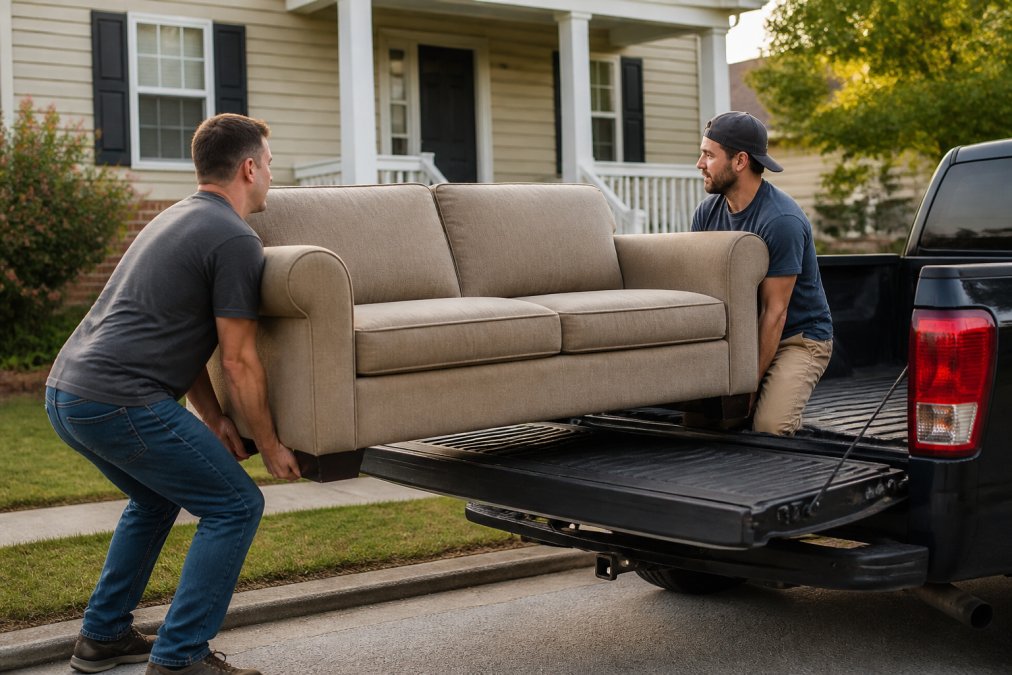
Meet in public or have a trusted person present. If buyers are picking up from your home, let a family member or friend know they’re coming. For large items that require in-home pickup, having someone else present protects you and provides witnesses.
Verify buyer legitimacy before committing. Ask questions about how they plan to transport items and what their timeline is. Flaky buyers often show red flags early. Trust your instincts.
Insist on payment before pickup. Cash is immediate and avoids payment disputes. If using digital payment, wait for the money to clear before the buyer takes the furniture.
Use proper lifting technique when helping move items. Bend at the knees, keep your back straight, and get help for anything heavy. If you can’t safely move something, let the buyer handle it or use a professional mover. Le Rouge Tete offers $50 local pickup for large items, which removes this burden entirely.
Have a clear pickup window. Don’t say "sometime next week." Say "Saturday between 10 AM and noon." Specific times reduce no-shows and give you certainty about your schedule.
Take photos of items before pickup. If a buyer claims damage occurred during transport, photos prove the condition when they left your home.
The biggest safety risk in local furniture sales is meeting strangers with cash. Meet in public, have a witness present, verify payment before handing over items, and trust your instincts about buyer legitimacy.
What to Do With Furniture You Can’t Sell
Not everything sells. Pieces that are too worn, out of style, or simply not appealing to local buyers need an exit plan.
Donation is the easiest option. Charities like Goodwill, The Salvation Army, and local nonprofits accept furniture donations. Many offer free pickup for large items. You get a tax deduction, and the items find new homes.
Recycling and disposal services handle furniture that’s too damaged to donate. Bulk trash pickup services, junk removal companies, and furniture recycling centers accept worn-out pieces. Check local waste management resources for options.
Facebook Marketplace and Craigslist have a "free" section where you can list items for pickup. People actively search for free furniture, especially if it’s sturdy despite cosmetic wear.
The key is not letting unsold inventory pile up. Set a deadline: if something doesn’t sell within 60-90 days, move it to donation or disposal. The space and peace of mind are worth more than holding onto items hoping they’ll eventually sell.
Selling used furniture locally doesn’t have to be complicated. Match your furniture to the right channel: consignment for quality pieces where presentation matters, online selling for items you want to move quickly, or direct sales when you need to clear everything at once. Pricing fairly, staging thoughtfully, and prioritizing safety throughout the process ensures a smooth transaction. If you have mid-to-high-quality pieces you want to consign, Le Rouge Tete offers a 50/50 split with no end dates, personalized staging assistance, and convenient local pickup services. Contact Le Rouge Tete today to discuss consigning your furniture and reaching buyers who appreciate quality home decor.
| Selling Method | Best For | Timeline | Your Work Level | Payment |
|---|---|---|---|---|
| Consignment | Quality pieces, no rush | 30-180 days | Low | 50% of sale price |
| Online Marketplace | Quick sales, full control | 3-14 days | High | 100% of sale price |
| Moving Sale | Large volume, fast clearing | 1-7 days | Medium | Lower per-item prices |
| Direct Buyer | Specific items, negotiation | 1-30 days | Medium | 100% of sale price |
Frequently Asked Questions
What is the best way to sell used furniture?
The best method depends on your priorities. Consignment offers convenience and a curated buyer base, making it ideal for quality pieces you want to move without effort. Online platforms like Facebook Marketplace reach more buyers but require you to handle logistics and safety screening. Direct sales and moving sales work well for high-volume liquidation. Consider consignment if you value simplicity and a 50/50 split policy; choose online platforms if you want faster cash or more control over pricing.
How long does it take to get paid after furniture sells on consignment?
Payment timing varies by consignment shop. Most shops pay within 7-14 days after an item sells. Ask your consignment shop about their specific payment schedule before you commit. Reputable consignment businesses like those with no end dates on consignments typically process payments promptly. Confirm payment methods, some offer cash, checks, or store credit, so you know what to expect.
How do I know if my furniture is in good condition for resale?
Inspect for structural damage, stains, odors, and wear on upholstery and wood. Solid wood furniture generally holds value better than particle board. Check drawers, joints, and legs for stability. Look for water marks, fading, or gouges. Quality consignment shops conduct condition assessments before accepting items. If you're unsure, take photos of any damage or wear and ask the shop directly whether they'll accept it. Honest condition reporting builds trust with buyers.
Is consignment worth it compared to selling on Facebook Marketplace or Craigslist?
Consignment trades a commission (typically 50/50) for convenience, safety, and exposure to qualified local buyers. You avoid managing photos, negotiations, and in-home meetups. Online platforms keep 100% of the sale price but require you to handle logistics, screen buyers, and arrange pickups. Consignment works best for mid-to-high-value pieces; online platforms suit quick sales or bulk liquidation. Consider your time value and comfort with direct buyer contact when deciding.
This article was written using GrandRanker