

Table of Contents
- How to Schedule Local Furniture Consignment Pickup
- How to Prepare Furniture for Consignment
- Consignment Shop Furniture Requirements and Acceptance Criteria
- Finding Furniture Consignment Pickup Services Near Me
- Understanding Consignment Terms and Costs
- Common Mistakes to Avoid When Scheduling Furniture Consignment Pickup
- Conclusion
Schedule Local Furniture Consignment Pickup: A Step-by-Step Guide
Last Updated: July 12, 2026
Scheduling local furniture consignment pickup is simpler than most people think, but it requires planning. At Le Rouge Tete, we’ve helped hundreds of customers move pre-loved furniture through our consignment process. This guide covers exactly how to schedule pickup, prepare your items, and avoid costly mistakes that delay pickups or result in rejected pieces.
The key to a smooth consignment experience is understanding what furniture consignment stores accept, how to prepare items properly, and what to expect when a pickup team arrives. Below, we’ll walk you through each step.
How to Schedule Local Furniture Consignment Pickup
The process starts with a simple conversation, but details matter. Getting this right the first time saves weeks of back-and-forth.
Step 1: Contact Your Local Consignment Store
Reach out to furniture consignment stores in your area by phone or email. Have basic information ready: what pieces you’re consigning, their approximate dimensions, and their current condition. Be specific, don’t just say "I have a sofa." Instead, describe it: "I have a gray upholstered sectional, approximately 8 feet wide, with no visible stains or damage." This helps the store determine whether a pickup visit makes sense.
Ask about their consignment agreement terms, pickup fees, and commission structure. Le Rouge Tete offers a 50/50 split with no end dates on consignments, meaning your items stay in the store until they sell. Understanding these terms before scheduling prevents surprises later.
Step 2: Describe Your Furniture and Items
When scheduling pickup, the store will ask detailed questions about each piece. Don’t minimize wear or hide problems, consignment shops inspect everything anyway, and honesty accelerates the process. If your sofa has a small stain on one cushion, mention it.
Describe the style, color, material, and approximate age of each piece. This helps the store estimate resale value. Vintage mid-century modern pieces often command higher prices than contemporary items. Solid wood furniture typically resells faster than particle board.
Take clear photos of each piece from multiple angles, including close-ups of any damage. Email these to the store along with your item list. Photos eliminate guesswork and speed up the decision-making process.
Step 3: Schedule Your Pickup Appointment
Once the store approves your items, schedule the actual pickup. Be flexible with timing if possible. Many consignment stores offer pickup windows rather than specific appointment times, which allows them to batch pickups efficiently and sometimes results in lower fees.
Confirm the pickup fee upfront. Le Rouge Tete charges $50 for local furniture consignment pickup services, which is reasonable compared to independent hauling services. Some stores include pickup in their consignment agreement if you’re consigning a certain dollar value of merchandise.
Get the appointment details in writing: date, time window, and what the store will pick up. Clarify whether the store will remove items from your home or if you need to have them accessible at your front door.
Step 4: Prepare for Transport and Delivery
Clear pathways from your furniture to the door or loading area. Remove obstacles, rugs, and anything that could slow down the pickup team. If you have a narrow staircase or tight hallway, mention this when scheduling.
Protect your floors and walls by laying down cardboard or drop cloths in high-traffic areas. Move breakable décor items away from pickup zones.
Confirm the appointment the day before pickup. Reconfirm which items are being picked up to prevent frustration.
How to Prepare Furniture for Consignment
Preparation separates furniture that sells quickly from pieces that sit in inventory for months. Cleanliness and condition directly impact resale value.
Cleaning and Condition Standards
Clean your furniture thoroughly before the pickup team arrives. Vacuum all surfaces, including under cushions. Wipe down wood frames with appropriate cleaners. For upholstered pieces, use a fabric cleaner or hire a professional upholstery cleaning service. Professional cleaning often pays for itself through higher resale value.
Inspect for damage and make minor repairs if they’re quick and affordable. Tighten loose screws, reattach loose trim, and patch small holes in fabric. Don’t attempt major repairs, the store will assess structural integrity anyway.
Structurally sound furniture is non-negotiable. Test all moving parts, drawers, doors, and reclining mechanisms. If something doesn’t work smoothly, fix it or disclose it clearly.
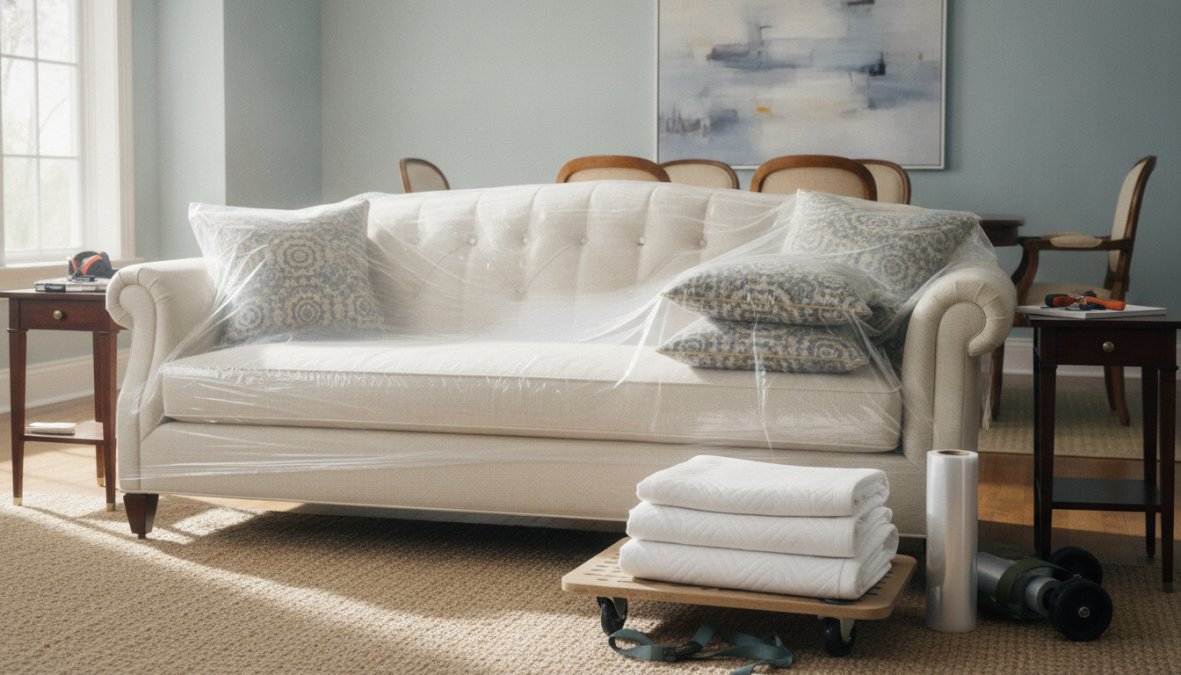
Remove personal items from drawers and shelves. Check for stains, odors, and pet hair. Cigarette smoke smell is a dealbreaker for most consignment shops.
Documentation and Photography
Take detailed photos before the pickup team arrives. Photograph each piece from multiple angles, including close-ups of any wear, stains, or damage. These photos become part of the consignment record and protect you if disputes arise about condition.
Write down the dimensions of larger pieces. Measure height, width, and depth. The store uses dimensions to determine whether pieces fit in customer homes and how to price them competitively.
Create a simple inventory list with item names, descriptions, and condition notes. Example: "Gray upholstered sectional, 8 feet wide x 3 feet deep, excellent condition, one small stain on back cushion."
Consignment Shop Furniture Requirements and Acceptance Criteria
Not all furniture qualifies for consignment. Understanding what stores accept and reject saves time and prevents disappointment.
What Furniture Consignment Stores Accept
Most consignment shops accept mid-range to high-quality furniture in good condition. This typically includes sofas, sectionals, dining tables, bedroom sets, dressers, bookcases, and accent chairs. Quality matters more than style. A well-made sofa from a reputable manufacturer in neutral colors resells faster than trendy budget furniture. Solid wood pieces outperform particle board. Vintage and mid-century modern furniture often commands premium prices.
Size and scale influence acceptance. Oversized sectionals and large dining tables are harder to place, so some stores are selective about massive pieces. Ask your local consignment store about size preferences when scheduling.
Condition is the primary filter. Furniture with structural damage, broken mechanisms, or significant staining gets rejected. Minor wear is acceptable, consignment shoppers expect pre-owned furniture to show use.
What Items Are Rejected
Consignment stores reject furniture with broken frames, failed springs, or non-functional moving parts. A recliner that doesn’t recline, a desk with drawers that don’t open, or a sofa with sagging cushions won’t make the cut. Structural integrity is non-negotiable.
Heavily stained or odorous furniture gets rejected. Large stains that don’t come clean, deep odors from smoke or pets, and water damage are dealbreakers.
Outdated or niche styles sometimes get rejected if they don’t match the store’s customer base. Furniture with missing parts or incomplete sets won’t sell quickly.
Finding Furniture Consignment Pickup Services Near Me
Location matters when scheduling furniture consignment pickup. Not all stores service all areas, and pickup fees vary by distance.
Local Service Areas and Coverage
Most consignment shops operate within a defined service area, typically 15 to 30 miles from their storefront. Le Rouge Tete serves the Morehead City area and surrounding communities with convenient local pickup services. When you contact a store, ask explicitly about their service radius.
Some stores offer curbside pickup, which means you stage items at your curb and the team loads from there. Others require inside access. Clarify this when scheduling.
Ask whether the store picks up on weekends or only weekdays. Flexibility in timing often leads to faster scheduling.
Comparing DIY vs. Professional Consignment Pickup
DIY hauling saves money but demands physical effort and risks damaging furniture during transport. Professional pickup through the consignment store is more expensive but eliminates your work and protects items during transport.
A cost-benefit analysis: if you’re consigning items worth $1,000 or more, professional pickup at $50 is a small percentage of potential resale value. If you’re consigning $200 worth of items, DIY hauling makes more financial sense.
Understanding Consignment Terms and Costs
Consignment agreements vary significantly between shops. Understanding the financial structure upfront prevents surprises.
Commission Structures and Resale Splits
The most common consignment model is a 50/50 split, where you receive half the selling price and the store keeps half. Le Rouge Tete operates on a 50/50 basis with no end dates for consignments, meaning your items stay in the store indefinitely until they sell.
Some stores use sliding commission scales. An item might start at a 50/50 split, then shift to 60/40 (favoring you) after 60 days. This incentivizes stores to mark down slow-moving inventory.
Ask about markdown schedules. Does the store automatically reduce prices after a certain period? Aggressive markdown schedules mean items sell faster but at lower prices.
Understand what "selling price" means. Does the store split the full retail price, or do they deduct their markdown before splitting? Get this in writing.
Pickup Fees and Cost-Benefit Analysis
Pickup fees range from free (for high-value consignments) to $100 or more depending on distance and item quantity. Le Rouge Tete charges $50 for local furniture consignment pickup.
Calculate the break-even point. If you’re consigning a sofa expected to sell for $400 at a 50/50 split, that’s $200 in your pocket. Subtract the $50 pickup fee and you net $150. For lower-value items, pickup fees eat into returns significantly.
Some stores waive pickup fees if you’re consigning multiple pieces or items valued above a threshold. Ask about fee waivers or discounts.
Common Mistakes to Avoid When Scheduling Furniture Consignment Pickup
The biggest mistake is underestimating how much information the store needs upfront. Vague descriptions lead to rejected appointments. Provide detailed descriptions, dimensions, and photos.
Another common error is failing to disclose damage. If you hide a stain or broken mechanism, the store discovers it during pickup and rejects the items anyway. Honesty accelerates the process and builds trust.
Poor furniture preparation is widespread. Showing up with dirty, smelly furniture that hasn’t been cleaned wastes the pickup team’s time and often results in rejection. Spend a few hours cleaning before pickup.
Scheduling pickups during inconvenient times and then canceling creates friction. If you commit to a pickup window, honor it. Repeated cancellations may result in the store declining future business.
Failing to measure furniture or provide dimensions causes logistics problems. Measure and communicate dimensions upfront.
Finally, misunderstanding the commission structure leads to disappointment. Clarify all financial terms before consigning.
Scheduling furniture consignment pickup doesn’t have to be complicated, but it requires attention to detail. When you’re ready to consign pre-loved furniture, reach out to Le Rouge Tete. With over 16 years of community service and a straightforward 50/50 consignment split policy, we make the process seamless. Our team handles local furniture consignment pickup services for the Morehead City area. Contact Le Rouge Tete today to discuss your consignment and schedule a pickup that works for your timeline.
Frequently Asked Questions
Do consignment shops pick up furniture for free, or is there a pickup fee?
Many local furniture consignment services charge a pickup fee to cover transportation and logistics costs. Le Rouge Tete offers convenient local pickup for large items at a fixed rate. Fees vary depending on the number of items, distance, and your location. Contact your local consignment store directly for current pricing and to determine whether a fee applies to your specific situation.
How do I prepare my furniture for consignment pickup?
Before scheduling furniture consignment pickup, clean your items thoroughly and ensure they meet cleanliness standards. Remove dust, stains, and debris. Take clear photographs from multiple angles to document condition. Check for structural damage, missing parts, or upholstery issues. Remove personal items and ensure drawers operate smoothly. Having your furniture in excellent condition increases resale value and improves acceptance rates at consignment shops.
What types of furniture are accepted for consignment pickup?
Most consignment shops accept sofas, chairs, tables, dressers, beds, and decorative home decor items that are structurally sound and in good condition. Some stores accept appliances and large items. However, consignment shops typically reject damaged furniture, items with significant wear, broken mechanisms, or pieces that don't meet their quality standards. Contact your local consignment store to confirm which items they accept before scheduling a pickup appointment.
Is it better to sell furniture on consignment or donate it?
Consignment allows you to earn money from your pre-owned furniture through a commission split, making it ideal if your items have resale value. Donation is better if furniture doesn't meet consignment standards or if you prefer an immediate tax deduction and eco-friendly disposal. Consignment takes longer but generates income; donation is faster and supports community causes. Consider your timeline, item condition, and financial goals when deciding between consignment and donation options.
This article was written using GrandRanker