

Table of Contents
- How to Choose a Furniture Shipping Service
- The Cheapest Way to Ship Furniture Across Country
- How to Pack Furniture for Shipping
- White Glove Furniture Delivery Services
- Factors Affecting Shipping Costs
- Insurance and Declared Value Coverage
- Preparing Your Furniture for Transport
- Frequently Asked Questions
Last Updated: September 2, 2026
How to Choose a Furniture Shipping Service
Selecting the right furniture shipping service depends on what you’re moving, how far it’s going, and what level of care your pieces need. Start by assessing your shipment: Are you moving a single dresser across the country, or furnishing an entire rental property? Is your furniture antique and irreplaceable, or durable pieces that can handle standard handling?
Le Rouge Tete has helped countless customers navigate furniture decisions for over 16 years. The marketplace offers several distinct shipping models: peer-to-peer platforms like uShip and CitizenShipper connect you with independent drivers who bid for your job, often the cheapest option for single items. Specialized carriers like MiniMoves and Ship Smart focus on furniture specifically, offering guaranteed pricing and professional handling. White-glove services like Plycon Transportation Group and Craters & Freighters handle high-value and antique pieces with museum-quality care.
Request quotes from at least three services before deciding. Pricing varies dramatically based on distance, item dimensions, weight, and current carrier demand.
The Cheapest Way to Ship Furniture Across Country
Peer-to-peer marketplaces where independent drivers compete for your shipment are typically the most affordable option. CitizenShipper and uShip usually cost 30-50% less than traditional carriers for single items traveling long distances (the FTC).
You post your shipment details, pickup location, delivery address, and timeline. Multiple drivers submit bids, and you choose based on price, reviews, and experience. Payment is held until delivery is confirmed. The trade-off is consistency: service quality depends entirely on the individual driver. A driver with 200 five-star reviews and a $500 insurance policy offers far more protection than one with three reviews and no insurance.
For cross-country moves of single large items, expect these services to save significant money. A dresser shipped 1,500 miles might cost $400-600 through a peer-to-peer platform versus $800-1,200 through a dedicated furniture carrier (bts.gov).
Peer-to-peer drivers are not regulated like commercial carriers. Verify that the driver carries insurance and understand exactly what’s covered before booking.
Document your furniture’s condition before pickup with photos and video. Make sure the driver does the same, a pre-pickup inspection creates accountability.
Roadie, owned by UPS, offers same-day or next-day delivery for local and regional furniture moves. You’ll pay more than peer-to-peer platforms but less than traditional movers, with faster delivery.
| Service Type | Cost Range | Best For | Speed |
|---|---|---|---|
| Peer-to-peer (uShip, CitizenShipper) | $200-$800 | Single items, budget-conscious | 1-2 weeks |
| Crowdsourced (Roadie) | $300-$900 | Local/regional, urgent delivery | Same-day to 2 days |
| Specialized carriers (MiniMoves, Ship Smart) | $800-$2,500 | Full-service, guaranteed pricing | 1-2 weeks |
| White-glove services (Plycon, Craters & Freighters) | Quote-based | Antique, high-value, fragile items | 2-4 weeks |
How to Pack Furniture for Shipping
Proper packing prevents damage during transit. Start with blanket wrapping for basic protection: wrap each piece in moving blankets or quilted furniture pads, securing them with plastic wrap or tape. For items traveling long distances or in shared freight containers, blanket wrapping alone isn’t enough.
Crating is the gold standard for valuable, fragile, or unusually shaped furniture. A custom wooden crate completely encloses the item, protecting it from impact and moisture. Services like Craters & Freighters build crates specifically for your piece, using internal padding and support structures. Crating costs more, sometimes doubling the shipping price, but it’s essential for antique furniture, glass-topped tables, or pieces with delicate details.
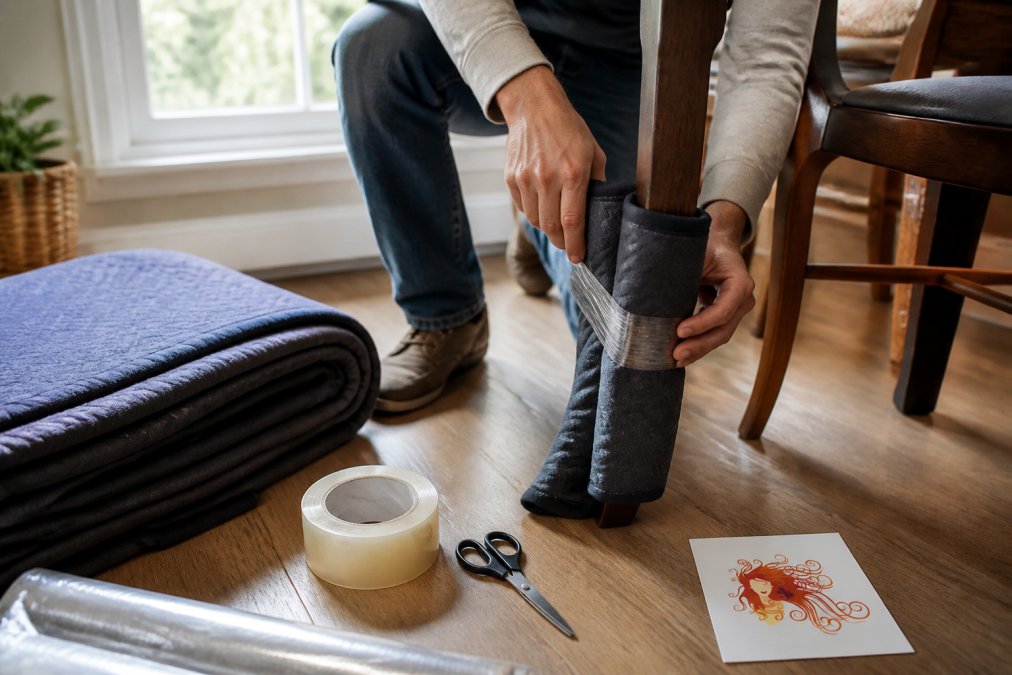
For upholstered furniture like sofas and chairs, wrap in plastic first to protect against moisture, then add blanket wrapping. Disassemble removable parts, legs, arms, cushions, and pack them separately. This reduces damage risk and often qualifies for lower shipping rates.
Fragile items like glass shelves or marble tabletops need individual protection. Wrap glass with bubble wrap, place it in a sturdy box with at least 3 inches of padding on all sides, and mark the box clearly. Wrap the interior of wooden furniture with plastic sheeting or kraft paper before shipping to prevent dust and debris collection.
Professional packing services charge based on item complexity, but they reduce damage claims dramatically. If you’re shipping anything worth more than $500, professional packing is worth the cost.
White Glove Furniture Delivery Services
White-glove service means the carrier handles your furniture with the highest level of care, including careful loading, protective wrapping, delivery to your exact specifications, and often assembly or placement in your home.
Plycon Transportation Group specializes in white-glove delivery for high-end furniture and antiques. Their service includes full packing, disassembly, transport in climate-controlled vehicles, reassembly, and placement in your chosen room. Craters & Freighters offers similar service with an emphasis on custom crating, building a crate tailored to your furniture’s dimensions and handling transport with full insurance coverage.
The cost is higher, but if you’re moving an antique dining table worth $5,000 or a custom sofa worth $8,000, white-glove service is insurance against catastrophic loss. White-glove carriers also offer on-demand delivery, meaning you choose the delivery window rather than accepting whatever slot the carrier offers.
The distinction between white-glove and standard service matters: standard carriers use LTL (less-than-truckload) freight, where your item shares a truck with dozens of others and gets loaded and unloaded multiple times. White-glove carriers often dedicate truck space or use smaller vehicles, meaning fewer handoffs and less risk.
Factors Affecting Shipping Costs
Shipping costs depend on five primary factors: distance, weight, dimensions, fragility, and service level.
Distance is the foundation. Shipping furniture 200 miles costs significantly less than shipping it 2,000 miles. Cross-country shipping typically costs 3-5 times more than regional moves of the same item.
Weight determines whether your shipment qualifies for standard parcel shipping or requires freight. Most furniture exceeds standard parcel weight limits (70 pounds), so it moves via freight carriers. Dimensions matter as much as weight: carriers charge based on dimensional weight, the space the item occupies in the truck. A large, light sofa takes up more truck space than a heavy dresser, so it costs more to ship.
Fragility determines the packing method required. Standard furniture can ship with blanket wrapping. Fragile items need bubble wrap, boxes, or crating, all of which add cost. Service level is the final variable: standard delivery to a curb costs less than white-glove delivery with assembly.
Disassemble your furniture before shipping, removing legs from a table or arms from a sofa can reduce dimensions by 40% and cut shipping costs by $150-300.
Insurance and Declared Value Coverage
Shipping insurance protects you if furniture is damaged or lost in transit. Most carriers include basic liability coverage automatically, typically a low amount like $0.50 per pound (fmcsa.dot.gov). A 300-pound sofa damaged in transit would be covered for only $150, insufficient for any furniture worth more than a few hundred dollars.
Declared value coverage is what you actually need. You declare the item’s value, and the carrier insures it for that amount. The cost is usually 1-3% of the declared value, added to your shipping quote. Declared value must be realistic: if you declare a used dresser worth $200 as $2,000, the carrier will investigate and deny the claim.
Some carriers offer full-value protection, which covers the full replacement cost of the item if it’s damaged beyond repair. For antique or irreplaceable furniture, full-value protection is worth the premium.
Document your furniture’s condition before shipping with high-quality photos and video from multiple angles. When the furniture arrives, inspect it immediately before the driver leaves and note any damage on the delivery paperwork. Carriers often have short windows, sometimes 24 hours, to file damage claims.
Preparing Your Furniture for Transport
Preparation begins days before pickup. Start by measuring your furniture and verifying it fits through doorways, hallways, and staircases at the destination. Ask the carrier about their delivery access policies.
Disassemble what you can. Remove legs from tables, shelves from bookcases, and arms from sofas if possible. Keep all hardware in labeled bags and tape them to the corresponding piece. Clean your furniture before shipping to remove dust and debris that could scratch surfaces during transport.
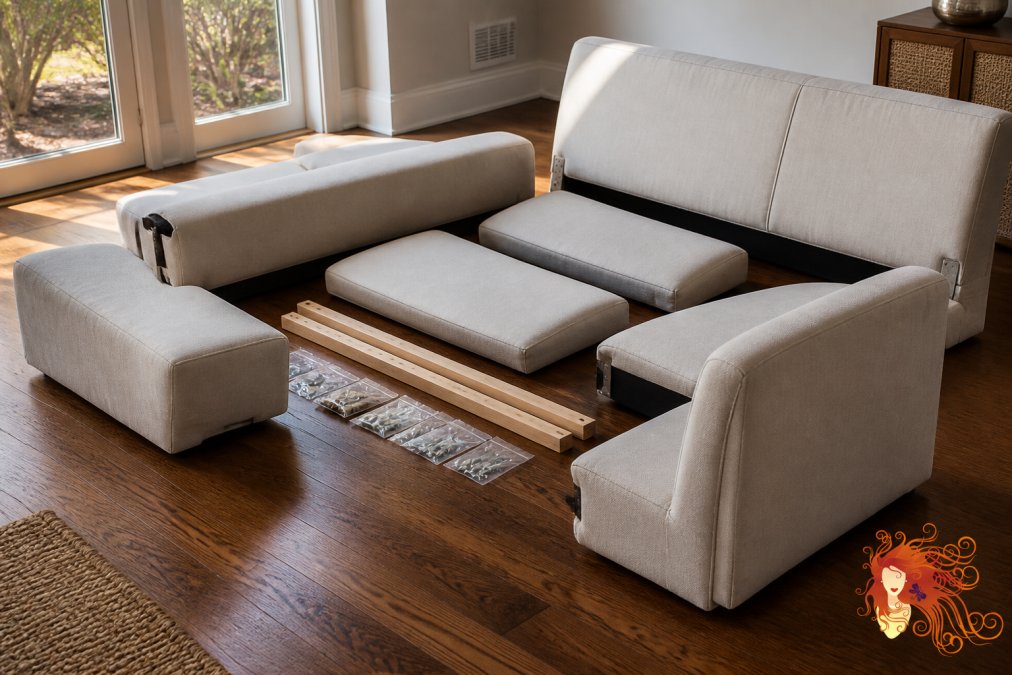
Protect drawers and doors by taping them shut so they can’t open during transport. Wrap the tape around the entire piece rather than just individual drawers. Remove or secure loose items like cushions and throw pillows so they don’t shift.
For glass or marble surfaces, wrap them individually with bubble wrap and mark these pieces clearly as fragile. Coordinate with the carrier about pickup timing and provide clear access to the furniture. Give detailed delivery instructions including your phone number, best delivery time, specific room placement, and any building access requirements.
Choosing the right furniture shipping service means matching your needs to the carrier’s strengths. For budget-conscious moves of single items, peer-to-peer platforms deliver savings. For cross-country moves of multiple pieces, specialized carriers like MiniMoves or Ship Smart offer reliability and transparent pricing. For antique or high-value furniture, white-glove services like Plycon Transportation Group provide the care your pieces deserve.
At Le Rouge Tete, we understand that furniture is more than function, it’s an investment in your home. Whether you’re shipping pieces you’ve found locally or receiving furniture from across the country, proper preparation and the right carrier ensure your furniture arrives in the condition you expect. Get in touch with our team to discuss your furniture needs, and we’ll help you find pieces that fit your space and your budget.
Frequently Asked Questions
What is the best furniture shipping service for a single piece?
The best choice depends on your item’s value and fragility. For standard furniture, marketplace platforms like uShip and CitizenShipper offer competitive bids from multiple carriers. For valuable or antique pieces, specialized services like Navis Pack & Ship or Craters & Freighters provide expert crating and handling. MiniMoves specializes in single-item cross-country transport with guaranteed pricing and protective blanket wrapping, making it ideal if you want a full-service experience without bidding.
How do I get an accurate shipping quote for furniture?
Provide carriers with detailed information: item dimensions (length, width, height in inches), weight, material, condition, pickup and delivery addresses, and desired delivery timeframe. Include photos showing the item’s current state. Most services offer free quotes through their websites or by contacting them directly. Marketplace platforms like uShip and CitizenShipper let you post your shipment and receive multiple competitive bids, helping you compare prices across carriers.
Do I need to crate my furniture before shipping?
Crating is essential for high-value, antique, or extremely fragile items but optional for standard furniture in good condition. Professional services like Craters & Freighters and Navis Pack & Ship provide custom crating as part of their offering. For basic shipments, blanket wrapping and cardboard boxing offer adequate protection. If you’re using a marketplace platform, ask carriers whether they include protective wrapping or if crating is recommended for your specific piece.
What factors affect furniture shipping costs?
Costs depend on distance, item size and weight, delivery complexity, and service level. Dimensional weight pricing charges based on space occupied, while some carriers use weight-based pricing. Fragile items, white-glove service, and crating increase costs. Pickup and delivery location (residential vs. commercial) and timing (standard vs. expedited) also matter. Distance significantly impacts pricing, cross-country shipments cost substantially more than regional transport. Getting multiple quotes helps you understand pricing variations across carriers.
This article was written using GrandRanker