
Table of Contents
- What Sustainable Home Decor Actually Costs
- Benefits of Buying Consignment Furniture
- Materials That Define Eco-Friendly Decor
- Affordable Eco-Friendly Furniture Without Compromise
- How to Style a Sustainable Home on Any Budget
- The Long-Term Investment Case for Sustainable Decor
- Spotting Greenwashing and Finding Authentic Choices
- Conclusion
Last Updated: August 20, 2026
What Sustainable Home Decor Actually Costs
The cost of sustainable home decor runs the full spectrum, from budget-friendly finds to investment pieces. Many homeowners assume eco-friendly furniture means premium pricing, but the reality is more nuanced. What you’ll actually spend depends on where you shop, what materials matter to you, and how you approach the buying process.
At Le Rouge Tete, we’ve tracked what customers spend over 16 years of serving the community, and the pattern is clear: sustainable home decor pricing breaks down into distinct tiers. Entry-level pieces, think reclaimed wood shelving or upcycled throw pillows, run modestly. Mid-range sustainable furniture, like certified organic textile sofas or FSC-certified wood tables, represents a significant portion of what conscious decorators purchase. High-end investment pieces in artisan-made or rare reclaimed materials occupy the premium tier.
The key insight most guides miss: the cost of sustainable home decor isn’t just about the sticker price. It’s about longevity. A $400 piece built to last 15 years costs less per year than a $150 fast-furniture item lasting two seasons. When you factor in replacement frequency, the math shifts dramatically.
Sustainable home decor costs vary widely, but calculating cost-per-year of use, not just upfront price, reveals the true investment value of eco-friendly pieces.
Benefits of Buying Consignment Furniture
Buying pre-loved furniture is one of the most practical ways to access sustainable home decor without overspending. Consignment pieces carry the environmental and financial benefits that make sustainable decorating actually achievable for most budgets.
When you purchase consignment furniture, you’re extending a product’s lifecycle instead of creating demand for new manufacturing. This single act reduces your home’s carbon footprint substantially. You also sidestep the packaging waste, shipping emissions, and factory production that new furniture requires. From an environmental angle, buying secondhand is genuinely one of the highest-impact choices you can make in home decoration.
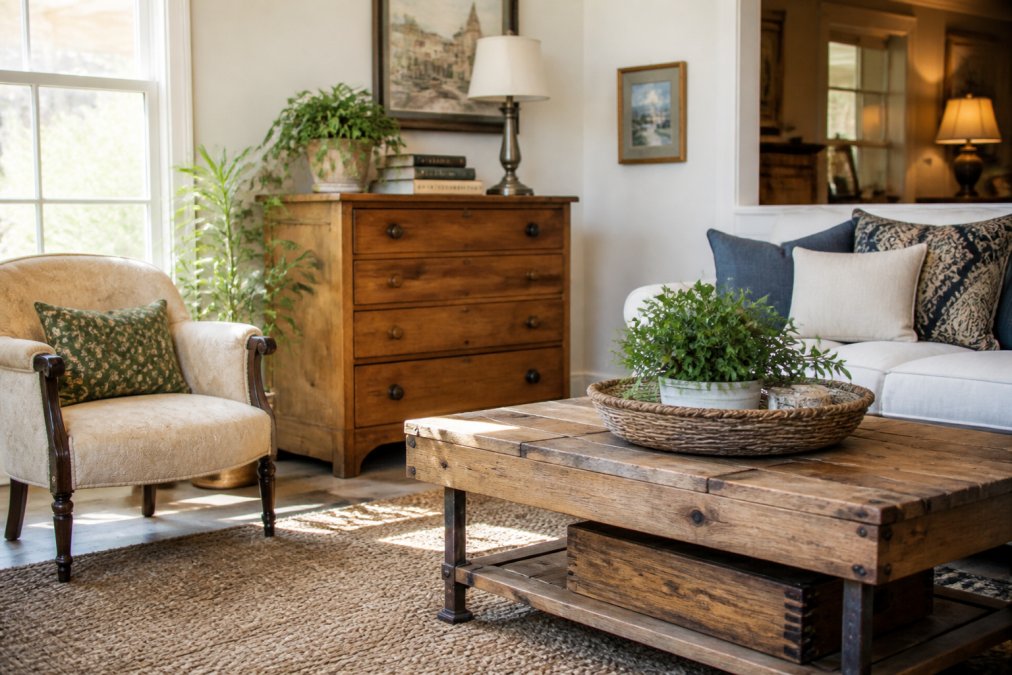
The financial case is equally strong. Consignment stores typically price items below retail for comparable new pieces. You’re not paying for brand markup, packaging, or distribution costs. Le Rouge Tete’s 50/50 consignment split model means both sellers and buyers win, sellers recover significant value from pieces they no longer need, and buyers access quality furniture at prices that make sustainable decorating realistic.
A common mistake is assuming consignment means compromised quality. The opposite is often true. Consignment stores curate their inventory. Damaged or worn pieces don’t make the sales floor. At Le Rouge Tete, every item is inspected, and our "live in" store layout lets you visualize how pieces actually function in a home setting before committing. You’re not buying blind from a photo.
Visit consignment stores in person when possible. The ability to see furniture in a lived-in layout, not just displayed on a showroom floor, changes how you evaluate whether a piece fits your space and style.
Materials That Define Eco-Friendly Decor
Understanding which materials actually define sustainable home decor helps you spot authentic choices versus greenwashing. Certain materials consistently appear in genuinely eco-friendly furniture and decor.
Natural fibers form the foundation of sustainable textiles. Organic cotton, linen, hemp, and wool are grown or produced without synthetic pesticides and chemical treatments. These materials biodegrade at end-of-life, unlike polyester or acrylic blends that persist in landfills for decades. When shopping for sustainable home decor, check fabric tags for "organic" or "certified" labels, these indicate third-party verification rather than marketing claims.
Reclaimed and salvaged wood represents some of the most impactful sustainable materials. Reclaimed wood comes from old buildings, barns, or industrial structures slated for demolition. Using it eliminates the need for new timber harvesting while preserving historical character. FSC-certified wood (Forest Stewardship Council) indicates responsibly managed forests where new trees replace harvested ones. Both options support sustainable home decor far more effectively than virgin wood.
Cork deserves specific mention. It’s harvested from cork oak bark without killing the tree, and the tree regenerates its bark within 9-10 years. Cork is naturally antimicrobial, durable, and biodegradable. Cork flooring, wall panels, and decorative accents appear increasingly in sustainable home decor collections.
Metal and glass from recycled sources close the loop on materials that would otherwise sit in landfills. Recycled aluminum, steel, and glass require significantly less energy to process than virgin materials. Look for furniture and decor explicitly labeled as containing recycled content.
Handcrafted and artisan-made pieces often carry lower environmental impact because they’re produced in smaller batches without industrial-scale manufacturing. Artisans typically work locally or regionally, reducing shipping distances. Supporting artisan makers also ensures fair wages and working conditions, a core principle of ethical sustainable home decor.
The materials you avoid matter equally. Polyurethane foam, vinyl, synthetic fabrics, and composite woods made with formaldehyde-based adhesives off-gas volatile organic compounds (VOCs) that degrade indoor air quality. These materials also resist biodegradation, persisting in landfills indefinitely.
Affordable Eco-Friendly Furniture Without Compromise
You don’t need a luxury budget to furnish a home with sustainable pieces. Strategic shopping and realistic expectations make affordable eco-friendly furniture genuinely accessible.
Consignment is the fastest route to affordability. Pre-loved furniture eliminates the markup that makes new sustainable pieces expensive. A solid wood dining table that retails for $1,200 new might cost $400-600 at a consignment store. The piece is identical, same craftsmanship, same materials, but the price reflects its secondhand status, not reduced quality.
Mix investment pieces with budget finds. You don’t need every item to be artisan-made or reclaimed. A sustainable strategy combines high-impact splurges with strategic budget purchases. Invest in pieces you’ll keep long-term: a quality sofa, dining table, or bed frame. Fill in with affordable sustainable accents: throw pillows in organic cotton, reclaimed wood shelving, cork trivets, or upcycled plant stands.
DIY sustainable decor reduces costs dramatically. Refinishing thrifted wooden furniture, reupholstering vintage chairs with organic fabric, or creating wall art from reclaimed materials costs a fraction of buying finished pieces. This approach also extends the lifecycle of existing items, multiplying the environmental benefit. A $30 thrifted chair and $60 in organic fabric becomes a $90 custom piece versus $400+ retail.
Buy secondhand first. Before purchasing new sustainable furniture, check consignment stores, estate sales, Facebook Marketplace, and Craigslist. You’ll find quality pieces at significant discounts. Le Rouge Tete adds new inventory weekly, so regular browsing surfaces pieces others miss. The $50 local pickup service makes acquiring larger items practical without the expense of shipping.
Prioritize durability over quantity. One well-made sustainable piece outlasts three cheap alternatives. A $300 solid wood bookcase built to last 20 years costs $15 per year. A $100 particleboard unit lasting 3 years costs $33 per year. When calculating affordable eco-friendly furniture costs, factor in longevity.
Beware of “eco-friendly” labels on cheap new furniture. Greenwashing is rampant, companies slap “sustainable” claims on items made with standard materials and manufacturing. If the price seems too good to be true for a “sustainable” piece, it probably is.
How to Style a Sustainable Home on Any Budget
Creating a cohesive sustainable home requires planning, but it doesn’t require spending all at once. A phased approach makes sustainable home decor accessible regardless of budget.
Start with your foundation. Identify the largest pieces first: sofa, bed frame, dining table, storage. These anchor a room and set its character. Sourcing these from consignment stores saves thousands while establishing your sustainable foundation. Once foundation pieces are in place, smaller accents become easier to visualize.
Establish a color palette. Sustainable home decor works best when colors feel intentional, not random. Choose 3-4 primary colors that reflect your style and the natural materials you’re using. Neutral bases (whites, grays, warm browns from reclaimed wood) let accent colors pop. This coherence makes even budget pieces feel curated.
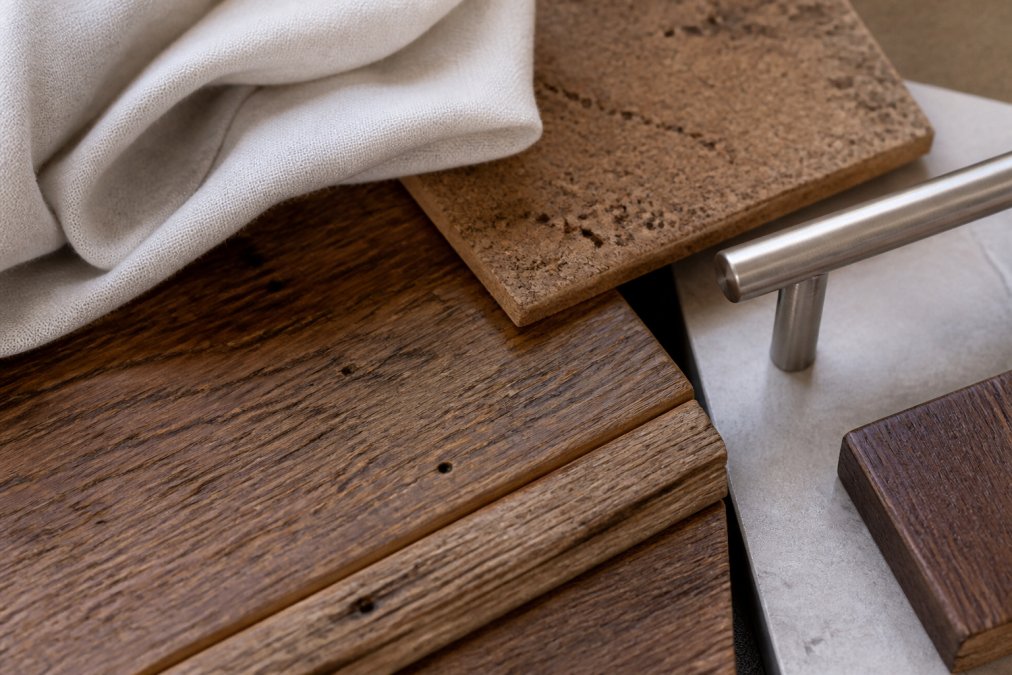
Layer textures strategically. Sustainable materials have distinct tactile qualities. Reclaimed wood has grain and patina. Organic textiles drape differently than synthetics. Cork has natural warmth. Handcrafted pieces show maker’s marks. Layer these textures intentionally, a reclaimed wood shelf, organic cotton throw, cork plant stand, and metal frame create visual interest without clashing.
Repurpose and upcycle what you have. Before buying new pieces, assess what you already own. That old dresser becomes a media console with new hardware. Wooden crates stack into shelving. Vintage textiles become throw pillows. This approach costs nearly nothing while making your space feel more personal and reducing waste.
Shop by room priority. You don’t furnish everything simultaneously. Prioritize rooms by frequency of use. Style your bedroom and living room first, spaces where you spend most time. Guest rooms and secondary spaces can develop over time as budget allows. This phased approach prevents financial strain while building a cohesive sustainable home gradually.
Use lighting to unify spaces. Quality lighting makes sustainable materials look their best. Natural light showcases wood grain and textile texture. Warm-toned bulbs complement earthy color palettes. Vintage or artisan lighting fixtures themselves become sustainable decor elements. Strategic lighting costs less than new furniture but transforms how spaces feel.
The Long-Term Investment Case for Sustainable Decor
The real financial argument for sustainable home decor emerges when you calculate total cost of ownership over years, not just the sticker price at purchase.
Fast furniture, cheap pieces designed for 2-3 years of use, creates a cycle of constant replacement. A $150 sofa lasting 3 years costs $50 annually. You’ll buy four sofas in 12 years, spending $600 total. A $600 sustainable sofa lasting 12+ years costs $50 annually but requires only one purchase. The annual cost is identical, but the sustainable choice eliminates three replacement cycles, three rounds of waste, and three shopping processes.
This math applies across every category. Sustainable home decor becomes genuinely affordable when you stop thinking about purchase price and start thinking about cost-per-year-of-use.
Quality sustainable pieces also retain value. A well-made wooden table or solid upholstered chair holds resale value. If you eventually consign it through Le Rouge Tete or sell it privately, you recover a portion of your investment. Fast furniture has essentially zero resale value, it’s worthless once you’re done with it.
Durability compounds financial benefits. Sustainable pieces require less maintenance and repair. Solid wood doesn’t chip like particleboard. Organic textiles don’t pill. Metal hardware doesn’t corrode. You’re not replacing worn components or dealing with structural failures. Over a decade, these avoided repairs represent meaningful savings.
The environmental cost of replacement also matters financially in a broader sense. Every piece you replace generates waste management costs, shipping emissions, and manufacturing impacts. Buying durable sustainable home decor upfront prevents these cascading costs. You’re essentially prepaying for durability rather than paying repeatedly for replacements.
Spotting Greenwashing and Finding Authentic Choices
Greenwashing, marketing products as sustainable when they’re not, is rampant in home decor. Learning to spot false claims protects both your wallet and your values.
Red flags for greenwashing: Vague terms like "eco-friendly," "natural," or "green" without specific certifications. No third-party verification. Emphasis on one minor sustainable attribute while ignoring major environmental impacts. Overly polished marketing with stock photos instead of transparent product details.
Authentic sustainability markers: Specific certifications (FSC for wood, GOTS for organic cotton, Cradle to Cradle for manufacturing). Named materials with clear sourcing. Transparent supply chain information. Fair trade certification for artisan-made pieces. Honest acknowledgment of environmental trade-offs rather than claiming perfection.
Consignment as anti-greenwashing: Pre-loved furniture has no marketing claims to evaluate. It simply is what it is, a used piece with documented history. This transparency is itself a form of authenticity. You see the actual condition, the actual construction, the actual materials. No marketing spin required. Le Rouge Tete’s "live in" store layout reinforces this transparency, you’re evaluating pieces in realistic context, not as styled showroom displays.
Ask specific questions: Where was this made? What’s the wood species and certification? What’s the fabric composition? Can you provide documentation of materials or certifications? Authentic sustainable manufacturers answer these readily. Greenwashers deflect or provide vague responses.
Check independent sources: Look beyond manufacturer claims. Third-party certifiers like FSC, GOTS, and Cradle to Cradle maintain searchable databases. You can verify claims independently rather than trusting marketing language.
The most reliable way to avoid greenwashing is buying from sources with reputational incentive to be honest. Consignment stores, local artisans, and established sustainable brands stake their reputation on authenticity. They can’t afford to sell misrepresented products because their business model depends on customer trust and repeat business.
Finding sustainable home decor that fits your budget requires shifting how you think about cost. Rather than comparing sticker prices, evaluate cost-per-year-of-use and environmental impact over a product’s lifetime. Consignment furniture, like what Le Rouge Tete offers, compresses both the financial and environmental costs dramatically. You access quality pieces at prices significantly lower than retail while extending product lifecycles instead of fueling constant manufacturing. The 50/50 consignment model means you can also liquidate pieces you no longer need, recovering real value instead of discarding them. Start with foundation pieces from consignment, layer in sustainable accents gradually, and prioritize durability over quantity. The result is a home that reflects your values without financial strain.
Frequently Asked Questions
Is sustainable furniture more expensive than mass-produced alternatives?
Sustainable home decor typically costs more upfront because ethical production, fair trade practices, and quality natural materials require higher labor and sourcing standards. However, the long-term value differs significantly. Sustainable pieces last 10-20 years versus 3-5 years for mass-produced furniture, making the per-year cost comparable or lower. Buying consignment sustainable furniture cuts initial costs by 40-60% while preserving durability and environmental benefits.
What are the most affordable ways to transition to eco-friendly home decor?
Start with consignment and pre-loved furniture, which reduces both cost and environmental impact. Focus on high-visibility pieces like seating and accent items first. Mix sustainable investments with budget-friendly finds by prioritizing natural fibers and reclaimed materials over brand-new items. Upcycling existing pieces and DIY projects stretch budgets further. Adding sustainable textiles, plants, and handcrafted accents gradually builds a cohesive, eco-friendly space without overwhelming expenses.
Does buying pre-loved furniture count as sustainable home decor?
Yes. Pre-loved and consignment furniture are among the most sustainable choices available. Buying secondhand extends product lifecycles, reduces demand for new manufacturing, and lowers your carbon footprint significantly. Quality pre-loved pieces often come from established manufacturers using durable, natural materials. This circular economy approach supports sustainability while delivering affordable eco-friendly furniture that maintains value and longevity.
How does the longevity of sustainable decor impact long-term costs?
Durable sustainable pieces reduce replacement frequency and total spending over 20+ years. A $600 natural fiber sofa lasting 15 years costs $40 per year, while a $300 synthetic sofa lasting 4 years costs $75 per year. Sustainable materials resist fading, maintain structural integrity, and often improve with age. This durability makes sustainable home decor a smart long-term investment that lowers lifetime costs despite higher initial pricing.
This article was written using GrandRanker