

Table of Contents
- How to Price Large Furniture for Consignment: A Step-by-Step Method
- How to Calculate Used Furniture Value Before You Set a Number
- Factors That Move the Asking Price on Large Furniture
- Furniture Consignment Percentage and What You Actually Take Home
- Furniture Consignment Pricing Examples by Category
- How to Sell Expensive Furniture Without Leaving Money on the Table
- Frequently Asked Questions
Last Updated: October 11, 2026
How to Price Large Furniture for Consignment: A Step-by-Step Method
Pricing large furniture for consignment comes down to three moves: find the original retail price, grade the condition honestly, then check what similar pieces actually sold for nearby. Get those right and you can set a number that sells without giving your furniture away.
At Le Rouge Tete, we have handled consignment in Morehead City for over 16 years. The single biggest mistake we see is guesswork. Sellers pick a price based on what they paid, not what the piece is worth today.
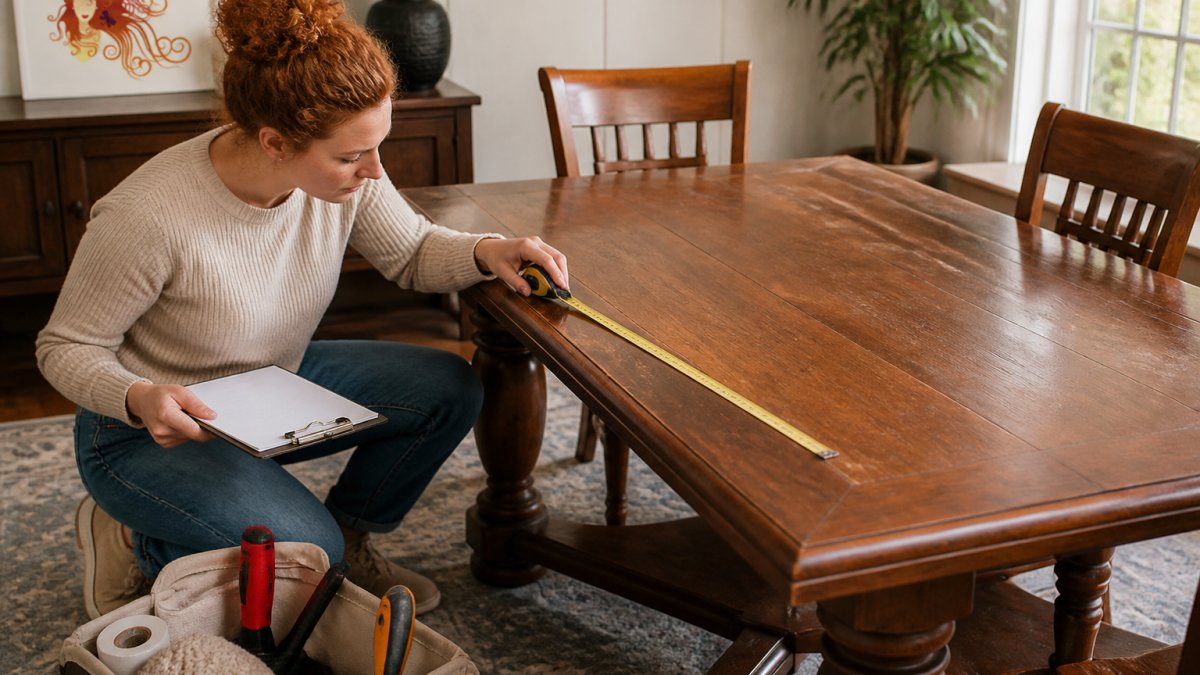
Here is the three-step method we walk every consignor through. It works for a sofa, a dresser, or a dining set.
Step 1: Pin Down the Original Retail Price and Age
Start with the original purchase price and the year you bought it. Check old receipts, warranty cards, or the brand’s website for a current version of the same model. Age matters because furniture loses value fast in the first few years, then levels off if the piece is well made.
Step 2: Grade the Condition and Note Any Repairs
Look at every surface. Note scratches, stains, sagging cushions, loose joints, and any repairs. A piece in excellent condition with no damage earns a higher asking price than one with visible wear and tear. Be honest here, since buyers inspect closely.
Step 3: Check Local Comparable Listings and Recent Sales
Search comparable listings for the same type of piece in your area. Look at what similar items are listed for, then note which ones actually sold. Listings show hope; sales show reality. This step grounds your number in your local market.
How to Calculate Used Furniture Value Before You Set a Number
To calculate used furniture value, start with the original retail price, apply a condition-based percentage, then adjust for brand and demand. The result is your fair market value, the price a willing buyer would pay today.
Most resale furniture lands somewhere between a quarter and half of its original retail price. A piece in excellent condition from a sought-after brand sits at the top of that range. A worn piece from a no-name maker sits at the bottom.
Use this quick formula:
- Original retail price x condition factor = base value
- Condition factor: excellent 0.50, good 0.35, fair 0.20
- Add 10% for a strong brand or rare style
- Subtract 10% for damage or missing parts
That base value is your starting point, not your final price. The next section explains what pushes it up or down.
Factors That Move the Asking Price on Large Furniture
Several factors decide whether your piece sells fast or sits. The big ones are construction, materials, brand, style, and current buyer appeal. Large furniture feels these pressures more than small decor, because moving it is harder and buyers think twice.
Construction Quality and Materials
Solid wood pieces hold value far better than particleboard. Dovetail joints, sturdy frames, and quality upholstery all signal a piece worth buying. Buyers pay more for furniture built to last.
Brand, Style, and Current Buyer Demand
A recognized brand or a handcrafted piece draws more interest. Style matters too. Mid-century and classic designs move well, while dated styles sit longer. Watch demand in your area before you lock a price.
Furniture Consignment Percentage and What You Actually Take Home
The furniture consignment percentage is the share the shop keeps from each sale. At Le Rouge Tete, our 50/50 split means you keep half of the sale price, but the split is only the first subtraction. Your real number is net proceeds: sale price minus commission, minus any logistics fees, minus any markdown the shop applies before the piece sells.
Ask about the split before you agree to anything.
Worked example: a $600 sofa
Say you consign a sofa at an agreed asking price of $600 with a 50/50 split and a $50 local pickup fee.
| Line item | Amount |
|---|---|
| Agreed asking price | $600 |
| Shop commission (50%) | −$300 |
| Local pickup fee (large items) | −$50 |
| Your net payout if it sells at asking | $250 |
Now run the same sofa through a markdown. If the shop reduces it to $480 after 60 days under a pre-authorized markdown schedule, the math changes:
| Line item | Amount |
|---|---|
| Marked-down sale price | $480 |
| Shop commission (50%) | −$240 |
| Local pickup fee | −$50 |
| Your net payout after markdown | $190 |
That $60 drop in sale price cost you $60 in payout, because the commission scales with the price. This is why the markdown schedule in your consignment agreement matters as much as the split itself.
Worked example: a $1,200 dining set
A solid-wood dining table with six chairs at $1,200, 50/50 split, $50 pickup:
| Line item | Amount |
|---|---|
| Agreed asking price | $1,200 |
| Shop commission (50%) | −$600 |
| Local pickup fee | −$50 |
| Your net payout | $550 |
If you delivered it yourself instead of using shop pickup, you keep the full $600. On large items, self-delivery is often the single easiest way to protect your payout.
Skipping the fee math is a common mistake. A seller who forgets the pickup fee, or who never reads the markdown clause, can be surprised by a payout hundreds of dollars below what they pictured. Ask about every fee and every markdown trigger before you sign a consignment agreement.
What else can come out of your payout
- Delivery to the buyer. Some shops pass buyer-delivery charges back to the seller. Ask whether delivery is included or deducted.
- Storage after the consignment term. If a piece does not sell and you leave it past the retrieval window, some shops charge a daily or monthly storage fee.
- Repair or cleaning. If the shop re-glues a joint or cleans upholstery to make the piece sellable, that cost may come off your side.
- Payment timing. Payouts are usually issued after the buyer’s return window closes, not on the day of sale. Ask when checks are cut.
Run your own numbers before you commit. A piece that nets $250 after fees may still be worth consigning, but only if you knew that going in.
Furniture Consignment Pricing Examples by Category
Different categories carry different expectations, and the fastest way to price a large piece is to combine a condition grade with a category range. Use the rubric and ranges below as a starting point, then adjust for your local market.
Condition grading rubric
Grade the piece before you price it. Be honest, buyers inspect closely, and a misgraded piece sits.
| Grade | What it looks like | Condition factor |
|---|---|---|
| Excellent | No visible scratches, stains, or odors. Upholstery tight, cushions firm, all drawers and doors function smoothly. No repairs. | 0.50 |
| Good | Minor surface wear or one small flaw. Structurally sound. Upholstery clean with light fading. Drawers track with slight effort. | 0.35 |
| Fair | Visible scratches, stains, or a repaired joint. Upholstery worn or soiled. Still usable but shows its age. | 0.20 |
| Poor | Structural damage, significant upholstery tears, missing hardware, or water damage. Usually better donated than consigned. | Below 0.20 |
Category ranges as a share of original retail
These ranges reflect what large furniture typically resells for, expressed as a percentage of the original retail price. Apply your condition factor, then adjust for brand and demand.
| Furniture Type | Typical resale range (% of original retail) | What moves the price |
|---|---|---|
| Dining table, solid wood | 25-50% | Brand, finish condition, chair count, leaf included |
| Sofa or sectional | 20-40% | Upholstery condition, frame quality, cushion firmness, pet or smoke odor |
| Bedroom dresser | 25-45% | Wood type, drawer function, mirror included, hardware intact |
| Antique piece | 15-60% | Age, rarity, provenance, antique furniture demand in your area |
| Outdoor set | 15-30% | Weather wear, rust, cushion replacement cost, material type |
Antique furniture and handcrafted furniture can beat these norms when demand is strong. Mass-market pieces usually fall below them.
Worked example: pricing a solid-wood dining table
Original retail: $1,800. Condition: Good (0.35). Brand: recognized, so add 10%.
- $1,800 × 0.35 = $630 base value
- $630 + 10% brand adjustment = $693
- Round to an asking price of $695
At a 50/50 split with a $50 pickup fee, that nets you roughly $297 if it sells at asking. If that number feels low, the piece may be a better fit for a direct sale than for consignment.
Worked example: pricing a sectional sofa
Original retail: $2,400. Condition: Fair (0.20) because of cushion wear and light fading. No brand premium.
- $2,400 × 0.20 = $480 base value
- No adjustments
- Asking price of $480
A fair-condition sectional at $480 may still sit if comparable listings in your area are priced lower. Check comparable listings and recent sales before you lock the number.
What most sellers miss is sell-through time. A slightly lower price that sells in weeks often beats a high price that sits for months. Cash in hand beats a hopeful number.
How to research local comparables
- Search sold listings, not just active ones. Active listings show hope; sold prices show reality.
- Filter by your metro area. Large furniture rarely ships, so regional demand drives the number.
- Match on size, material, and brand, not just category. A 96-inch table and a 60-inch table are not comparables.
- Note how long comparable pieces sat before selling. Fast sales signal you priced in the right zone.
Use the rubric, apply the category range, check local sold prices, then set your number. That is the repeatable method, no guesswork required.
How to Sell Expensive Furniture Without Leaving Money on the Table
To sell expensive furniture well, price it right, present it clearly, and let the shop’s traffic do the work. Overpricing is the fastest way to watch a good piece sit.
A few habits protect your payout:
- Price based on sales, not on what you paid
- Fix small flaws before listing, since repairs raise resale value
- Let the shop stage the piece in a ‘live in’ layout
- Accept that some negotiation is normal
- Expect a markdown or price reduction if a piece sits
Frequently Asked Questions
What is a good rule of thumb for pricing used furniture for consignment?
Most consignment shops start with the original retail price, then reduce it based on age, condition, and demand. A common starting point is 30 to 50 percent of retail for pieces in excellent condition, less for items with visible wear. Large furniture consignment pricing also depends on how quickly similar pieces are selling locally. The shop’s pricing team usually finalizes the number, so ask how they set asking prices before you agree to consign.
How do I calculate used furniture value on my own before consigning?
To calculate used furniture value, gather three things: the original purchase price, the item’s age, and its current condition grade. Then check comparable listings for similar pieces in your local market, including sold prices where you can find them. Adjust down for damage, missing hardware, or outdated upholstery, and adjust up for solid wood construction, handcrafted details, or a brand buyers actively search for. This gives you a realistic range to discuss with the shop.
How much should I expect to receive when my large furniture sells on consignment?
Your payout depends on the consignment percentage in your agreement. A 50/50 split means you receive half of the final sale price, with the shop keeping the other half to cover floor space, marketing, and staff time. If the piece is marked down before it sells, your payout is calculated on the reduced price, not the original asking price. Ask whether pickup, delivery, or transportation fees apply to large items, since those can reduce your net proceeds.
How long does it take to get paid after my furniture sells?
Payout timing varies by shop. Before you consign, ask three questions: when payouts are issued, how you will be notified, and what happens if the item does not sell. Shops with no end dates may keep items on the floor longer, which can help slower-moving large furniture find the right buyer, but confirm the markdown schedule so you know how the price will change over time.
Pricing large furniture for consignment does not have to be a guessing game. The sellers who do best start with a clear method and a realistic number. At Le Rouge Tete, we make it simple with our 50/50 split, no end dates on consignments, and convenient $50 local pickup for large items. Contact us to consign your furniture or find your next piece.