
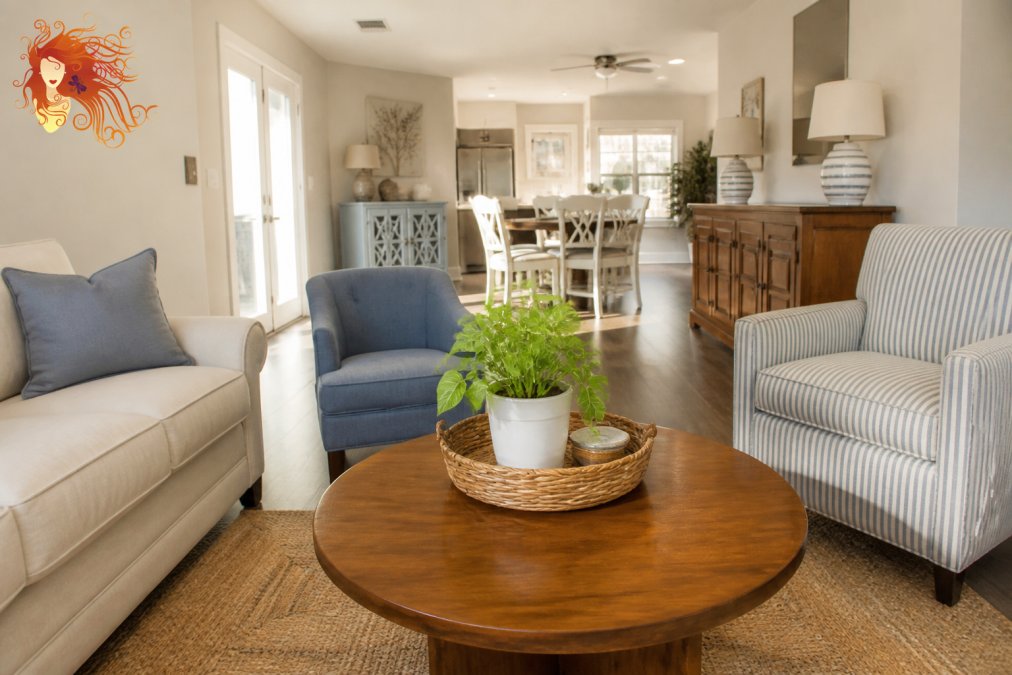
Table of Contents
- The Real Cost of Buying Used Furniture for Home Staging
- Buying vs. Renting: Cost Comparison for Home Staging
- Quality and Condition: What to Assess When Buying Used
- Tips for Staging a Home on a Budget With Used Pieces
- Depreciation, Resale Value, and Long-Term ROI
- Liability, Insurance, and Hidden Risks of Ownership
- Is Buying Used Furniture Worth It for Your Staging Goals
Last Updated: August 22, 2026
The Real Cost of Buying Used Furniture for Home Staging
When preparing a home for sale, buying used furniture instead of renting involves a fundamental trade-off: upfront capital versus flexibility. Used pieces cost significantly less than new retail, but ownership brings hidden expenses that rental companies absorb: storage, maintenance, liability, and eventual resale or disposal. Understanding the true cost requires looking beyond the price tag.
Home staging transforms a property by making it feel lived-in and inviting to potential buyers. According to the National Association of Realtors, staged homes sell faster and often command higher offers than unstaged properties. Le Rouge Tete, an upscale consignment store with over 16 years of community service, offers curated pre-loved furniture displayed in a "live in" layout that helps you visualize pieces in your own space before committing.
The decision to buy used depends on your timeline, the number of properties you’re staging, and your appetite for managing inventory after the sale. For a single home staged for 2-3 months, renting often makes more financial sense. For investors staging multiple properties or those with longer timelines, buying can pencil out, but only if you account for every cost involved.
Buying vs. Renting: Cost Comparison for Home Staging
Renting furniture offers predictable, all-inclusive pricing. A professional rental service handles delivery, setup, maintenance, and pickup. You pay a monthly fee with no additional effort when the home sells.
Buying used requires you to handle logistics yourself: sourcing pieces, arranging transport, storing them if needed, and reselling or donating them after the sale. Transport and delivery aren’t free; Le Rouge Tete offers convenient local pickup for large items at a modest fee, but sourcing from multiple sellers means coordinating multiple trips or paying delivery fees. Storage, if staging extends beyond a few months, adds up quickly.
Used furniture depreciates rapidly. A sofa that cost $400 at consignment may only fetch $200 when you resell it after staging. That $200 loss is a real cost of ownership that rental agreements eliminate.
| Approach | Upfront Cost | Monthly Cost | Logistics | Resale Value | Best For |
|---|---|---|---|---|---|
| Renting | Low to moderate | Predictable | Included | N/A | Single property, short timeline |
| Buying used | Moderate to high | None | Your responsibility | Declining | Multiple properties, 6+ month timeline |
| Buying new | High | None | Your responsibility | Poor | Long-term investment property |
For a single-family home staged for two months, rental services typically cost $1,500-$3,000 (nar.org). Buying used furniture for the same rooms might cost $2,000 upfront, but add $300-500 for transport, potentially $200-400 for storage if the home doesn’t sell immediately, and you’ll recover perhaps 40-50% on resale. That math shifts dramatically if the property takes six months to sell or if you’re staging multiple homes.
Quality and Condition: What to Assess When Buying Used
The biggest risk of buying used furniture is purchasing pieces that look worse in your home than they did in the consignment shop. Lighting and curation can mask wear that becomes obvious under different conditions.
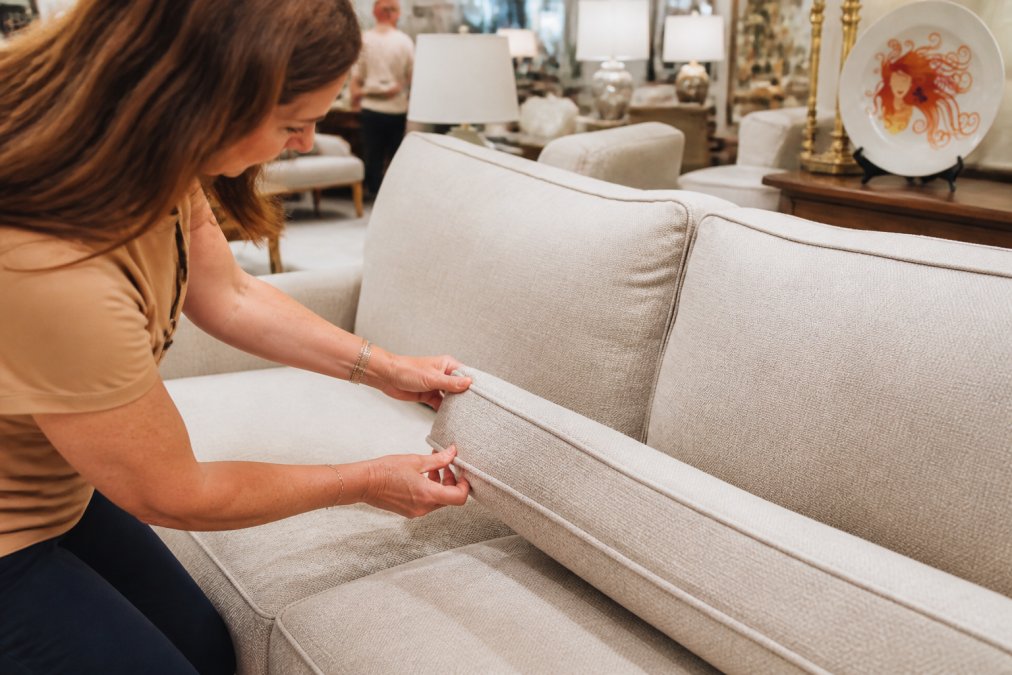
Inspect the frame for structural integrity. Press on the seat, back, and arms to feel for sagging or broken springs. Run your hands along seams and joints, these fail first. Check underneath for dust, pet hair, or moisture damage. Upholstery should be clean and free of stains, odors, or fading. If a piece smells musty or of pet urine, cleaning won’t fully eliminate that.
Legs and hardware should be intact and stable. Wobbly furniture is a liability risk during showings. Wood pieces should show no signs of water damage, warping, or pest damage. Finishes matter for staging; scratched wood or chipped paint undermines the "move-in ready" feeling. At Le Rouge Tete, items are curated for quality, and the 50/50 consignment split policy means the store has incentive to accept only pieces that will actually sell.
Ask the consignment shop or seller directly about the item’s history. How long has it been in use? Has it been cleaned or repaired recently? Does it have known issues? Many consignment shops offer return windows; Le Rouge Tete’s 24-hour hold policy gives you time to measure your space and verify the piece will work.
Resist buying the cheapest option available. A $150 sofa needing reupholstering is more expensive than a $400 sofa in excellent condition. Staging requires cohesive, polished impressions. Worn-out pieces discourage buyers rather than help them visualize the home.
Tips for Staging a Home on a Budget With Used Pieces
Staging on a budget requires strategy. Focus on spaces that matter most for buyer psychology: the living room, primary bedroom, and kitchen. Bathrooms and secondary bedrooms can stay minimally furnished or empty.
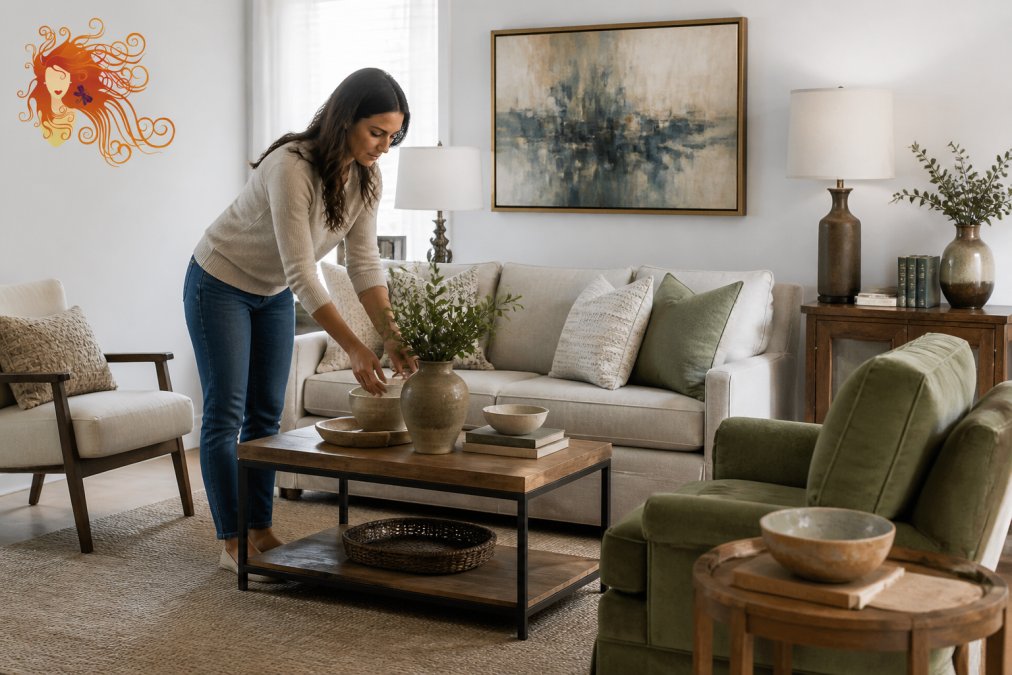
Create a staging plan. Identify focal points in each room, the fireplace in the living room, the bed frame in the bedroom, the kitchen island. Your used furniture should anchor these focal points. A quality used sofa in a neutral color creates the centerpiece for a living room. A bed frame and nightstands define the bedroom.
Stick to a consistent color palette. Neutral tones, whites, grays, beiges, soft blues, work across most buyer preferences. Used furniture in these colors is easier to find and more forgiving of minor wear.
Layer in textiles to hide wear and add warmth. Throw pillows, blankets, and area rugs are inexpensive ways to refresh used furniture and cover stains or fading. A worn sofa looks intentional when styled with coordinating pillows and a throw.
Source complementary pieces from multiple sellers if needed. A sofa from one consignment shop, a coffee table from another, and a rug from a discount retailer can work together if they share a cohesive aesthetic. The key is intentional curation, not random assembly.
Consider the staging duration when buying. For a quick sale in a hot market, buy only what you need for 30-45 days. In slower markets, you might stage for 3-6 months, requiring more durable pieces that withstand multiple showings.
Depreciation, Resale Value, and Long-Term ROI
Furniture depreciates quickly, typically 40-60% of purchase price in the first year (peer-reviewed research). A $500 dining table purchased at consignment will likely sell for $200-250 when you liquidate it after staging.
This matters most if you’re buying new or newer used pieces. Vintage furniture sometimes holds value better, but staging typically calls for contemporary pieces that lose value fastest.
Depreciation changes if you’re staging multiple properties. An investor staging five homes per year can amortize a quality sofa’s cost across five sales. If that sofa costs $400 and you recover $150 on resale, the net cost per property is $50 after reuse. At that scale, buying used makes financial sense compared to renting.
For a homeowner staging a single property, depreciation is a real cost. A $3,000 investment in used furniture that you recover $1,200 on is a $1,800 loss, part of your total staging investment.
Solid wood pieces, quality upholstery, and timeless designs depreciate slower than particleboard, cheap fabric, or trendy styles. Investing in pieces with better resale potential means spending more upfront to recover more on the back end, a strategy that works for anyone staging multiple properties.
Liability, Insurance, and Hidden Risks of Ownership
Buying used furniture introduces liability that rental companies assume for you. If a buyer is injured during a showing, a wobbly chair collapses, a glass shelf breaks, you could be liable for medical costs or property damage. Rental companies carry insurance covering these scenarios. When you own the furniture, you don’t.
Check your homeowner’s insurance policy to understand coverage details. Most policies cover injury on your property, but gaps may exist. If a buyer sits on a used chair and it breaks, causing injury, your insurance may deny the claim if they determine the furniture was in unsafe condition.
Sanitization is another hidden risk. Used furniture may harbor allergens, dust mites, or bacteria. Professional cleaning adds cost. Rental companies often professionally clean and sanitize pieces between uses. When you buy used, that responsibility is yours.
Storage of used furniture introduces additional risk. Moisture, pests, and temperature fluctuations can damage pieces stored in garages, basements, or self-storage units. A $400 sofa stored in a damp basement for three months can develop mold that makes it unsellable. Insurance on stored furniture may not be covered by your homeowner’s policy; you’d need a separate rider or storage insurance.
Is Buying Used Furniture Worth It for Your Staging Goals
For most single-home sellers with a typical timeline, renting is simpler and often cheaper when accounting for all costs. Professional delivery, setup, and pickup, combined with elimination of depreciation risk and storage costs, justify the monthly rental fee for a 2-3 month staging period.
For real estate investors staging multiple properties, buying used furniture can make financial sense if you’re willing to manage logistics and accept depreciation. An investor staging five homes per year and buying $4,000 in used furniture per property, recovering $1,500 on resale, spends $2,500 per property. Renting the same pieces would cost $1,500-2,000 per month, making rental more expensive over a full year.
Quality of used pieces matters enormously. Cheap, worn furniture undermines staging goals and depreciates faster. Investing in quality used pieces, solid construction, neutral colors, good condition, improves both staging outcomes and resale recovery. Consignment stores like Le Rouge Tete add value through curation, reducing the risk of buying something that doesn’t work. The "live in" display layout helps you visualize how pieces will look in your home.
For vacation rental property owners or those furnishing multiple units, buying used furniture from a local consignment store with convenient pickup and weekly new inventory offers flexibility that rental services may not provide.
The decision hinges on three factors: your timeline, your willingness to manage logistics, and whether you’re staging one property or many. If staging one home quickly with minimal hassle, rent. If building a portfolio of rental properties or staging multiple homes for sale, buying used from a reputable consignment source makes financial sense. Prioritize quality over price, account for all hidden costs, and verify that your insurance covers liability of owned furniture during showings.
Staging a home effectively doesn’t require spending retail prices on new furniture. The challenge is sourcing quality used pieces that look good in your space and hold up to buyer showings. Le Rouge Tete’s curated selection, displayed in a live-in layout, lets you see how pieces will work in your home before committing. With over 16 years of community service and a 50/50 consignment split that incentivizes quality inventory, Le Rouge Tete simplifies the used furniture sourcing process. Contact Le Rouge Tete to explore pieces for your staging project and understand how buying used can fit your specific timeline and budget.
=== FAQ ANSWERS (audit these too, same rules) ===
[1] Q: Is buying used furniture cheaper than renting for home staging?
A: It depends on your timeline. For staging periods under 3 months, rental typically costs less upfront. For longer staging or multiple properties, buying used furniture can be more economical because you own the assets outright. The key is calculating your total cost of ownership, including storage, maintenance, and eventual resale or disposal. Used furniture from consignment sources offers lower acquisition costs than retail, making it attractive for budget-conscious home stagers.
[2] Q: What should you look for when buying used furniture for staging?
A: Inspect structural integrity first: check frames for cracks, test joints, and verify drawers open smoothly. Examine upholstery for stains, odors, and wear patterns. Verify all legs are present and stable. Ask about the furniture’s history and how long it sat in storage. Request photos from multiple angles before committing. Consignment stores with ‘live in’ display layouts let you see how pieces actually look in a home setting, which reduces the risk of purchasing items that disappoint once delivered.
[3] Q: What are the biggest home staging mistakes to avoid with used furniture?
A: Don’t mix too many mismatched styles, which creates visual chaos instead of cohesion. Avoid oversized pieces that dwarf rooms or block sightlines. Never skip cleaning or minor repairs that signal neglect to buyers. Don’t stage with furniture that smells musty or shows obvious damage. Avoid buying pieces solely based on online photos without seeing them in person. Finally, don’t hold onto inventory too long; depreciation accelerates quickly, and storage costs eat into your margins. Plan your exit strategy before purchasing.
[4] Q: How does buying used furniture affect your home’s sale velocity and final price?
A: Strategic staging with quality used furniture can reduce time on market and increase perceived value, but only if pieces are styled well and in good condition. Buyers respond to emotional connection and visual appeal, not the price tag on your furniture. Cheap or worn-looking staging can backfire and signal that the home needs updating. The investment in quality used pieces pays off through faster sales and stronger offers, making the initial furniture cost a capital expenditure that typically yields positive ROI.
Frequently Asked Questions
Is buying used furniture cheaper than renting for home staging?
It depends on your timeline. For staging periods under 3 months, rental typically costs less upfront. For longer staging or multiple properties, buying used furniture can be more economical because you own the assets outright. The key is calculating your total cost of ownership, including storage, maintenance, and eventual resale or disposal. Used furniture from consignment sources offers lower acquisition costs than retail, making it attractive for budget-conscious home stagers.
What should you look for when buying used furniture for staging?
Inspect structural integrity first: check frames for cracks, test joints, and verify drawers open smoothly. Examine upholstery for stains, odors, and wear patterns. Verify all legs are present and stable. Ask about the furniture's history and how long it sat in storage. Request photos from multiple angles before committing. Consignment stores with 'live in' display layouts let you see how pieces actually look in a home setting, which reduces the risk of purchasing items that disappoint once delivered.
What are the biggest home staging mistakes to avoid with used furniture?
Don't mix too many mismatched styles, which creates visual chaos instead of cohesion. Avoid oversized pieces that dwarf rooms or block sightlines. Never skip cleaning or minor repairs that signal neglect to buyers. Don't stage with furniture that smells musty or shows obvious damage. Avoid buying pieces solely based on online photos without seeing them in person. Finally, don't hold onto inventory too long; depreciation accelerates quickly, and storage costs eat into your margins. Plan your exit strategy before purchasing.
How does buying used furniture affect your home's sale velocity and final price?
Strategic staging with quality used furniture can reduce time on market and increase perceived value, but only if pieces are styled well and in good condition. Buyers respond to emotional connection and visual appeal, not the price tag on your furniture. Cheap or worn-looking staging can backfire and signal that the home needs updating. The investment in quality used pieces pays off through faster sales and stronger offers, making the initial furniture cost a capital expenditure that typically yields positive ROI.
This article was written using GrandRanker