

Table of Contents
- Why Professional Furniture Movers Matter
- Key Questions to Ask Movers Before Hiring
- Understanding Furniture Moving Cost Factors
- Red Flags: What to Watch Out for When Selecting Moving Companies
- How to Prepare Furniture for Moving Day
- Local Moving Services: Full-Service Versus Labor-Only Options
- How to Book and Verify Your Moving Company
- Frequently Asked Questions
Last Updated: October 13, 2026
Why Professional Furniture Movers Matter
Moving large, valuable furniture looks simple until something goes wrong: a scratched dresser, a dented sofa corner, a stairwell that won’t fit your sectional. These costly mistakes are preventable with the right help.
Professional furniture movers bring three things: expertise in handling heavy items safely, job-specific equipment, and insurance.
The difference between hiring professional movers and a DIY move comes down to whether your furniture arrives in the same condition it left. Professional movers navigate tight corners, protect finishes, distribute weight properly, and carry liability insurance. That peace of mind is worth the investment.
Key Questions to Ask Movers Before Hiring
Before committing to any moving company, get answers to specific questions. They’re the difference between a trustworthy operator and one who leaves you with damaged pieces and no recourse.
Licensing and Insurance Questions
Is the company licensed? In most states, professional movers must carry a Department of Transportation license. Ask for the number and verify it independently. This is non-negotiable.
Ask about insurance: basic liability covers minimal damage, while full-value protection covers actual replacement cost. Many movers default to basic liability unless you request full-value coverage. Ask which they offer and the coverage limits; a vague answer is a red flag.
Request a written estimate with all insurance details. Never accept verbal quotes; get everything in writing to avoid confusion about what’s covered.
Service and Logistics Questions
Ask about their furniture-moving experience. Have they moved pieces like yours, or handled coastal properties and narrow access points? For a large sectional or antique armoire, you want movers who’ve handled comparable items.
Find out what services they provide. Full-service means packing, loading, transport, unloading, and unpacking; labor-only movers load your furniture but expect you to handle packing and transport. Labor-only is cheaper but best if you already have or are renting a truck.
Ask about their timeline, cancellation policy, and rescheduling fees. These details matter when you’re working against a deadline.
Understanding Furniture Moving Cost Factors
Most movers quote furniture moves on an hourly rate with a minimum, not a flat per-item price. Understanding that math is the best way to compare quotes fairly and avoid move-day surprises.
How the hourly model actually works
A typical local quote has four moving parts:
- Hourly rate per mover. A two-person crew bills at a combined hourly rate; larger crews cost more per hour but usually finish faster. Ask for the rate per mover to compare fairly.
- Minimum billable hours. Many local movers set a two- or three-hour minimum, so a single dresser across town may still bill the full minimum.
- Travel time. Some companies bill from when the truck leaves their lot, not when it reaches your door, adding 30 to 60 minutes before any furniture moves.
- Materials and specialty charges. Pads, shrink wrap, and tape are sometimes included, sometimes billed per item. Stair carries, long carries (over roughly 75 feet), and bulky-item surcharges are common add-ons.
The variables that move your quote up or down
- Crew size vs. job size. A one-bedroom set may take two movers three hours; a three-bedroom house with a sectional, piano, and treadmill may take four movers six hours. More movers cost more per hour but fewer hours.
- Access difficulty. Walk-ups, narrow stairwells, tight turns, and long carries add labor time. A third-floor walk-up with no elevator can add an hour or more to a two-person job.
- Distance. Local moves are usually priced within a 25-to-50-mile radius. Beyond that, many companies switch to a mileage or weight-based long-distance rate, quoted very differently.
- Item type. Antiques, glass tops, marble, pianos, safes, and oversized sectionals often carry a specialty fee for extra padding, straps, or a stair-climbing dolly.
- Season and day. Weekend and end-of-month slots are in highest demand and sometimes carry a premium; mid-week, mid-month slots are usually cheapest.
What a written estimate should itemize
Ask for a written estimate that separates:
- Hourly rate per mover and crew size
- Minimum billable hours
- Travel time policy
- Materials included vs. billed separately
- Stair, long-carry, and bulky-item fees
- Valuation or full-value protection cost
- Any fuel surcharge or after-hours fee
If two quotes for the same job differ by more than about 30%, ask each company to walk you through their assumptions. The gap is usually travel time, crew size, or a specialty fee one company missed.
Why the cheapest quote is often the most expensive
A dramatically lower quote usually means the company assumes a smaller crew and will run over, excludes valuation coverage, or ignores access difficulty and adds fees on move day. A written, itemized estimate from a licensed company is the only reliable way to compare.
FMCSA mover registration and consumer protection resources
Red Flags: What to Watch Out for When Selecting Moving Companies
Not all moving companies operate with equal integrity. Knowing the warning signs helps you avoid unreliable operators.
A company that won’t provide a written estimate is a major red flag.
Be cautious of companies demanding full payment upfront.
Watch for movers who can’t clearly explain their insurance or seem evasive about coverage.
Check online reviews critically. One negative review may be an outlier, but a pattern of complaints about damaged furniture, hidden fees, or no-shows is telling.
Be wary of companies with no physical address or only a social media presence. Established professional moving companies have websites, phone numbers, and verifiable business registrations.
If a mover shows up with damaged equipment, a poorly maintained truck, or unprepared staff, that signals how they’ll treat your furniture.
How to Prepare Furniture for Moving Day
Preparation protects your furniture and separates a mover who knows furniture from one who only knows boxes. Below: what to do before the crew arrives and what to verify once they’re on site.
Screen the mover on furniture handling before move day
Ask these questions when you book, not when the truck is in the driveway:
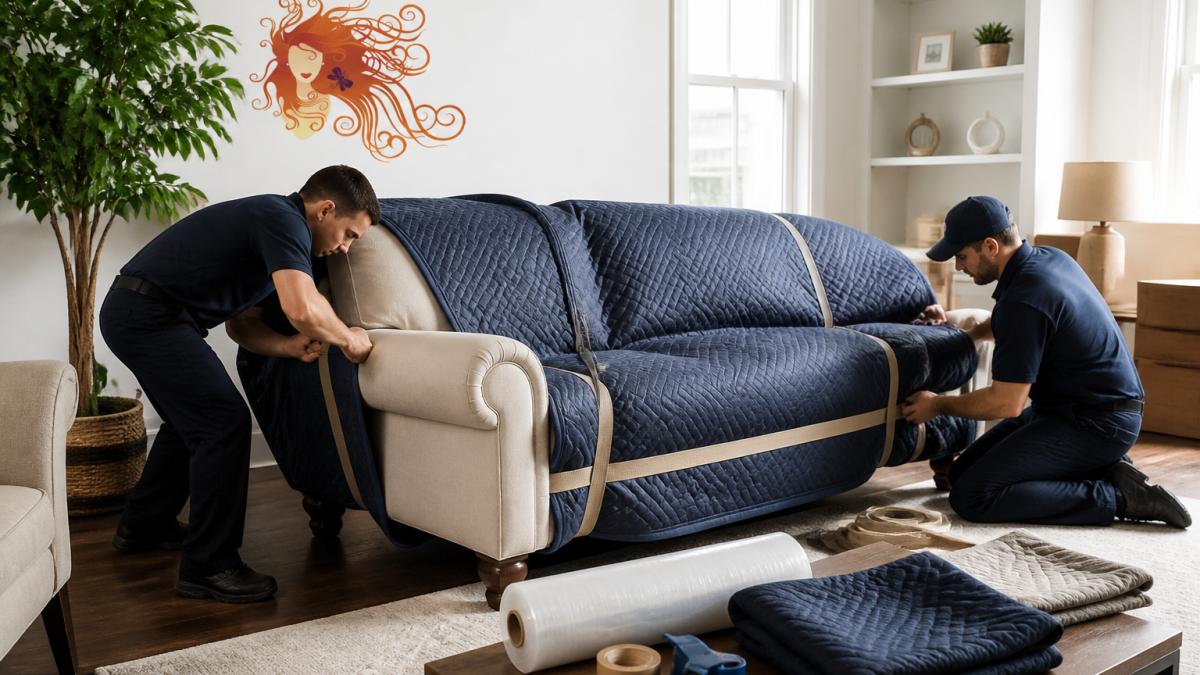
- What protection do you use on finished wood and upholstery? Look for furniture pads, shrink wrap, and corner guards. Tape should go on the pad, never directly on the finish.
- How do you handle glass, marble, and mirrors? The right answer involves cardboard corner protectors, a mirror carton or crate, and edge padding, not just a blanket.
- What equipment do you carry for heavy or oversized pieces? A furniture dolly, appliance dolly, stair-climbing hand truck, and forearm forklift straps are the standard kit. If a mover cannot name their equipment, they are likely improvising.
- Have you moved antiques or pieces with fragile joinery? Antiques often need to be carried, not slid, and sometimes need to be crated. Ask how they decide.
- How do you document condition before loading? The best answer is a written inventory or photo log signed by both parties.
Measure the path, not just the furniture
Measure the furniture, then every opening it must pass through: exterior doors, interior doorways, hallway widths, stairwell turns, and elevator dimensions. An 84-inch sofa won’t clear a 30-inch doorway on its side without removing the legs or the door. Note low ceilings, light fixtures, and banisters that narrow a turn.
Walk the full route from room to truck and truck to destination room. Photograph tight spots and share them with the mover when booking so they can plan crew size and equipment.
Protect the furniture before the crew arrives
- Empty everything. Drawers, shelves, and cabinets should be empty so pieces stay balanced and light enough to carry safely.
- Secure what moves. Tape drawers shut, pack glass shelves separately, and bag hardware in labeled zip bags taped to the piece.
- Disassemble what you can. Remove table legs, bed frames, and mirror backs. Keep bolts and screws with their piece.
- Clean and dry. Dust and grit scratch finishes under blankets; wipe pieces down before wrapping.
- Wrap high-value pieces yourself if you want them handled a specific way. Pads, stretch wrap, and bubble wrap on corners are the standard layers.
Document condition before anything moves
Photograph every piece from multiple angles, including existing scratches, dents, or loose joints, and note the date. This is your evidence for a damage claim. Ask the mover to sign your inventory list before loading.
Protect the home, not just the furniture
Lay floor runners or cardboard along the carry path, remove tripping hazards, and clear doorways of shoes, plants, and small furniture. Pad door jambs and banisters with taped blankets. This prevents home damage and speeds the crew, lowering your hourly bill.
On move day
Walk the crew through the home before they start, pointing out pieces needing extra care, tight turns, and where each item should land. Stay present, confirm the inventory list before loading, and inspect each piece as it comes off the truck.
If a mover refuses to document pre-existing damage or will not provide a written inventory, treat it as a red flag. Without a condition record, a damage claim becomes your word against theirs.
Local Moving Services: Full-Service Versus Labor-Only Options
Understanding these two service models helps you choose what fits your situation and budget.
Full-service moving companies handle everything: packing, wrapping, loading, transporting, unloading, and unpacking on request. They bring supplies, equipment, and expertise.
Labor-only movers provide just labor: you supply the truck and handle packing, wrapping, and transport while they load and unload. It’s significantly cheaper and works well for local moves if you’re comfortable managing logistics.
A hybrid approach often makes sense: hire labor-only movers to load and unload while you pack and drive a rental truck, balancing cost and convenience.
When comparing, weigh your comfort with physical labor, your furniture’s value, and your available time. High-value pieces deserve full-service treatment; small local moves may work fine with labor-only help.
How to Book and Verify Your Moving Company
Once you’ve narrowed your options, booking should be straightforward and transparent.
Request a detailed estimate covering what you’re moving, where, and any special requirements. It should break down labor, distance, and specialty services.
Confirm the date and time in writing via a confirmation email or contract specifying the exact date, time window, services, and pricing.
Ask for references from recent customers, especially those who moved similar furniture.
Verify licensing and insurance once more before moving day: check the Department of Transportation license number and confirm insurance is active.
On moving day, be present and available.
Moving furniture safely requires more than muscle: it demands expertise, proper equipment, and accountability.
At Le Rouge Tete, we understand the value of quality furniture, whether you’re shopping for beautiful consignment pieces or preparing items for a move. If you’re downsizing and need to relocate furniture or consign pieces you no longer need, we’re here to help.
Frequently Asked Questions
What questions should I ask a professional furniture mover before booking?
Ask about licensing and insurance coverage, what happens if items are damaged, whether they provide binding estimates, and their experience with your specific furniture type. Request references from recent local moves and confirm they’re licensed by the Department of Transportation (FMCSA). Clarify whether pricing is hourly or flat-rate, what’s included in the service, and their cancellation policy. These questions help you identify qualified, professional movers versus inexperienced labor services.
What factors affect furniture moving costs?
Costs depend on the number and weight of pieces, distance traveled, access difficulty (stairs, narrow hallways, tight corners), whether items require special handling, and the crew size needed. Seasonal demand, day of week, and time of year also influence pricing. Professional movers typically charge hourly rates or provide flat quotes based on a site visit. Request multiple moving estimates to compare pricing and understand what each company includes in their service.
What are the biggest red flags when choosing a moving company?
Avoid companies without proper licensing, those unwilling to provide written estimates, and those pressuring you to pay in cash upfront. Red flags include no verifiable customer reviews, reluctance to discuss insurance coverage, vague pricing, and no physical business address. Be cautious of movers who won’t inspect items before quoting or who guarantee unrealistically low prices. Verify licensing through the FMCSA database and always get everything in writing before moving day.
How should I prepare furniture before movers arrive?
Clear pathways and doorways of obstacles, measure doorways and hallways to confirm furniture will fit, remove drawers and shelves to reduce weight, and secure loose parts with tape. Wrap furniture in moving blankets or plastic to protect against scratches and dust. Take photos of valuable pieces before moving. Empty and defrost refrigerators if applicable. Notify movers of any fragile decorative elements or specialty items. Confirm parking arrangements and provide clear access instructions to your home.