
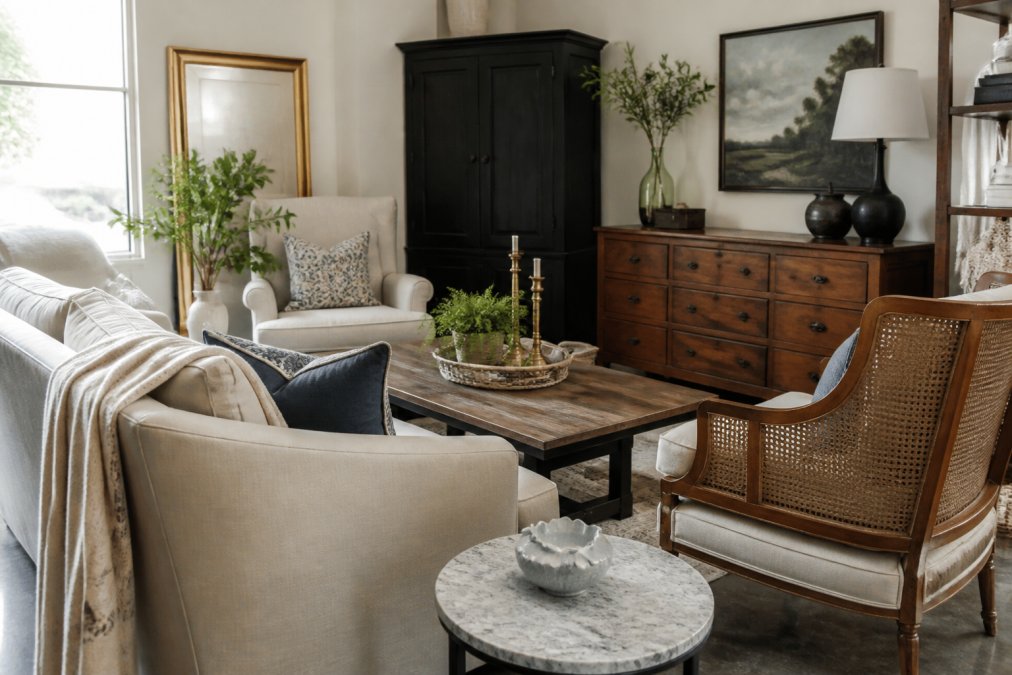
Table of Contents
- Start with a Design Vision Before You Shop
- What to Look for When Shopping for Consignment Pieces
- Mixing Vintage and Modern Furniture for Cohesive Design
- Using Color Palette and Scale to Create Harmony
- How to Style Consignment Furniture with Accessories and Textures
- Refinishing Consignment Furniture: DIY Techniques for Common Finds
- Integrating Thrift Store Finds into Your Home Layout
- Consignment Furniture Before and After: Real Transformations
How to Style Consignment Furniture: A Practical Guide
Last Updated: August 2, 2026
Learning how to style consignment furniture transforms your home without breaking your budget. Le Rouge Tete has spent over 16 years helping Carteret County residents discover that pre-loved pieces can deliver the same visual impact as new retail furniture, often with superior quality and character. The challenge isn’t finding consignment pieces; it’s knowing how to blend them into a cohesive design that feels intentional rather than mismatched. Below, we’ll show you exactly how to style consignment furniture with confidence, from selecting quality pieces to refinishing them and arranging them in your space.
Start with a Design Vision Before You Shop
Before you walk into a consignment store, you need a clear idea of what you’re building. Without a design vision, you’ll end up with a collection of individual pieces that don’t speak to each other.
Your design vision starts with three things: a color palette, a dominant style or aesthetic, and a sense of scale for your space. Are you drawn to vintage pieces mixed with modern clean lines? Do you prefer warm, earthy tones or cool, neutral backgrounds? Will your focal point be a statement sofa, a dramatic bookshelf, or a vintage dining table?
A practical approach is to create a simple reference document. Gather inspiration from Instagram, Pinterest, or design magazines. Photograph rooms that resonate with you and note the colors, textures, and furniture styles. This becomes your shopping filter. When you encounter a beautiful vintage dresser at a consignment store, you can ask: Does this fit my vision? Does it work with the colors I’ve committed to? Does it serve a purpose in my layout?
Visit Le Rouge Tete’s showroom before committing to a specific style. The store displays furniture in “live in” layouts that show how pieces work together in real rooms. This visual context is invaluable for understanding scale and proportion before you purchase.
What to Look for When Shopping for Consignment Pieces
Not all consignment furniture is created equal. The difference between a piece that lasts 10 years and one that falls apart in two comes down to construction, materials, and the condition you’re willing to accept.
Quality Craftsmanship and Materials
Solid wood beats veneer. Run your hand along the frame and legs; solid wood feels substantial and typically indicates better construction. Look at joinery, dovetail joints (the interlocking wooden fingers on drawer sides) signal quality craftsmanship. Dowels and mortise-and-tenon joints are also strong indicators. Stapled frames and glue-only construction suggest the piece won’t hold up to regular use.
Check the wood type when possible. Hardwoods like walnut, oak, and cherry are more durable than softer woods like pine and refinish better. Upholstered pieces should have hardwood frames; softwood frames will warp under the weight of fabric and filling.
Construction and Durability
Open drawers fully and listen. Smooth, quiet operation means quality slides and construction. Check the back panels; solid wood or plywood backs last longer than thin particle board.
For upholstered furniture, press on the cushions and frame. You should feel firm support underneath, not just the cushion. Look for coil springs (better than sinuous wire springs) and check that the frame doesn’t rock or creak when you sit on it.
Inspect legs for cracks and wobbles. A loose leg is easy to tighten, but a cracked leg signals structural stress. Avoid pieces with deep cracks in the wood.
| What to Check | Good Sign | Red Flag |
|---|---|---|
| Wood construction | Solid hardwood frame | Veneer over particle board |
| Joinery | Dovetails, mortise-and-tenon | Staples, glue only |
| Drawers | Smooth, quiet slides | Sticky, binding, uneven |
| Upholstery | Firm support, coil springs | Sagging, loose padding |
| Structural integrity | No cracks, legs solid | Cracks, wobbling, creaking |
Mixing Vintage and Modern Furniture for Cohesive Design
The secret to blending vintage consignment pieces with modern furniture is restraint and intentionality. You’re not trying to make everything match; you’re creating a conversation between old and new.
Start with a neutral foundation. Modern pieces in white, gray, or natural wood tones provide a clean backdrop. Against this foundation, vintage pieces become focal points rather than visual chaos. A sleek modern sofa in light gray anchors the room. A vintage leather wingback chair or ornate wooden dresser then feels like a curated discovery.
The mixing works best when you commit to a specific ratio. A common approach is the 60/30/10 rule: 60% of your pieces are neutral and modern, 30% are vintage with character, and 10% are bold accents. This keeps the space from feeling like a thrift store while celebrating the unique qualities of consignment finds.
Pay attention to silhouettes. Chunky vintage pieces need breathing room around them. Place a heavy, ornate wooden dresser against a wall with minimal additional furniture nearby. Pair a delicate mid-century modern chair with a contemporary side table rather than two heavy vintage pieces next to each other.
The best vintage-modern interiors celebrate the age of older pieces. A worn leather sofa from the 1970s looks intentional next to a sleek modern coffee table. The contrast is the point.
Using Color Palette and Scale to Create Harmony
Color is the fastest way to make a space feel cohesive. When your consignment furniture spans decades and styles, a unified color story ties everything together.
Choosing Your Color Palette
Limit yourself to three main colors plus neutrals. If you choose warm neutrals (cream, beige, warm gray), select two accent colors that complement each other, perhaps burnt orange and deep teal. If you prefer cool neutrals (white, cool gray, soft blue), pair them with complementary cool-toned accents.
Your consignment furniture should reinforce this palette. A vintage wooden dresser in honey tones works beautifully in a warm-neutral space. A mid-century chair upholstered in mustard yellow becomes a focal point that echoes your accent color. Paint, textiles, and accessories then amplify these colors without requiring you to replace furniture.
Proportion and Scale Matter
A small apartment demands smaller-scale furniture. A massive Victorian settee overwhelms a 600-square-foot space. Conversely, tiny pieces in a large room get swallowed by the space.
Measure your rooms and furniture before you buy. Know the height of your ceilings, the width of your walls, and the dimensions of doorways. For seating, your sofa should take up roughly one-third of your wall length. A dining table should leave at least 3 feet of walking space on all sides. Bedroom dressers should be no taller than the headboard.
How to Style Consignment Furniture with Accessories and Textures
Accessories transform consignment furniture from "secondhand finds" into a curated design. They’re the fastest, cheapest way to refresh a piece and integrate it into your color story.
Layering textures prevents a space from feeling flat. If your consignment sofa is smooth leather, add a chunky knit throw and linen pillows. If your vintage wooden dresser has a polished finish, pair it with a soft area rug and woven baskets on top.
Styling surfaces, the tops of dressers, nightstands, and shelves, is where consignment furniture really shines. A vintage wooden dresser becomes a design statement when you arrange a table lamp, a stack of books, a ceramic vase, and a small plant on top. Use odd numbers (three or five items rather than two or four) and vary heights to create a collected, intentional look.
Lighting showcases the piece’s details and creates warmth. A brass floor lamp beside a mid-century chair or a table lamp on a wooden dresser doesn’t just illuminate; it highlights what makes the piece special.
Refinishing Consignment Furniture: DIY Techniques for Common Finds
You don’t need professional skills to refresh consignment furniture. Many pieces need only surface-level updates.
Refreshing Wood Finishes
The simplest refresh is a good cleaning. Many vintage wood pieces just need a thorough wash with a soft cloth and wood cleaner. Once clean, apply a furniture polish or tung oil to restore shine and depth.
For deeper finish issues, light sanding (120-150 grit sandpaper) removes the old finish without requiring you to strip to bare wood. After sanding, apply a new stain or paint. Water-based stains dry quickly and have low odor. Oil-based stains penetrate deeper and create richer color, but require longer drying time.
Paint is the fastest transformation. A dark wooden dresser becomes a statement piece when painted white, soft gray, or a bold color. Use furniture paint and apply thin coats. Two coats of quality furniture paint typically provides full coverage.
Updating Upholstered Pieces
If the frame is solid but the fabric is worn, a slipcover or throw blanket is budget-friendly. For chairs and smaller pieces, fabric paint designed for upholstery can refresh color. Test on a hidden area first.
Cushion replacement is the sweet spot for DIY updates. Remove old cushions and have new ones made at a fabric store, or purchase pre-made cushions in your chosen fabric. This changes the entire appearance of a sofa or chair without requiring structural work.
Before refinishing, check if a piece has value as an antique. Refinishing a genuine mid-century modern or antique piece can reduce its value. If you’re unsure, research the maker and era before sanding or painting.
Integrating Thrift Store Finds into Your Home Layout
Where you place consignment furniture matters as much as what you choose. A beautiful vintage piece in the wrong spot looks like it’s waiting to be moved.
Styling for Small Spaces
Small spaces demand strategic placement. Furniture should serve multiple purposes. An ottoman that’s also storage, a bookshelf that’s also a room divider, a console table that’s a workspace, these pieces work harder in compact layouts.
Vertical styling is essential. Draw the eye upward with tall bookcases, wall-mounted shelves, and high-backed chairs. A vintage floor lamp in a corner draws attention up, making the ceiling feel higher.
Negative space is your friend. In a small room, resist the urge to fill every corner. A small apartment with one beautiful vintage sofa and breathing room around it feels intentional.
Making Focal Points with Statement Pieces
Every room needs a focal point, a piece that draws the eye and anchors the design. In a bedroom, it might be an ornate wooden headboard. In a living room, a vintage sofa in a bold color or a large wooden bookcase. In a dining room, a beautiful table or a statement chandelier.
Your focal point should be the most visually interesting piece in the room. Everything else should support it, not compete with it. Lighting draws attention to focal points. A vintage wooden dresser becomes a focal point when a lamp on top illuminates it.
Consignment Furniture Before and After: Real Transformations
Real-world examples show what’s possible with thoughtful styling and refinishing.
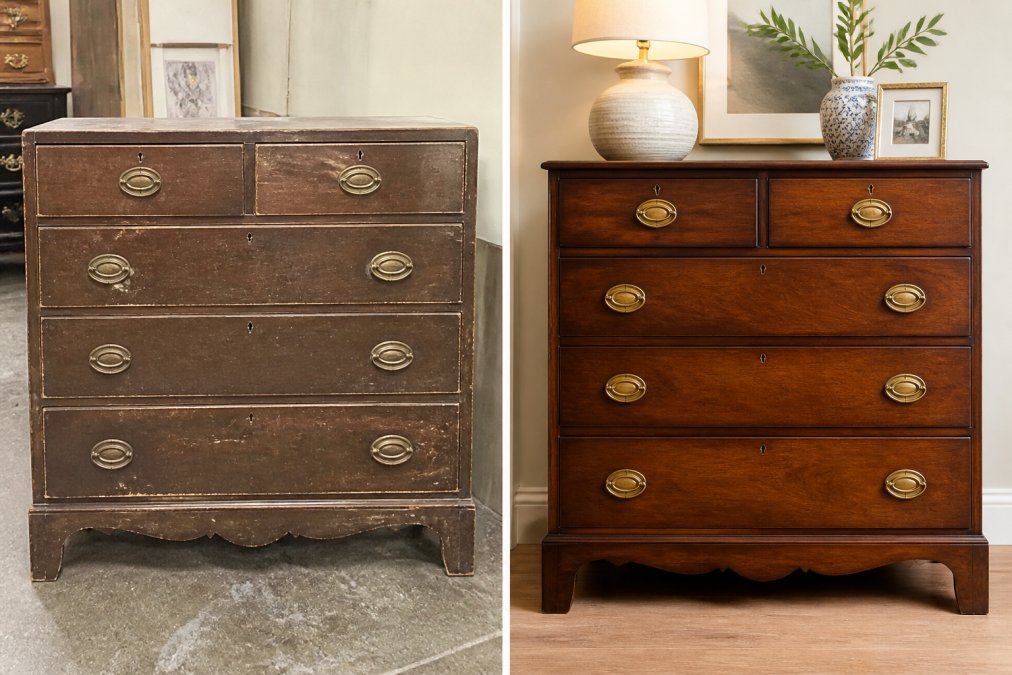
A honey-toned wooden dresser found at a consignment store often arrives with a dull finish and mismatched hardware. After light sanding and application of a deeper stain, the wood grain becomes visible and rich. New brass hardware (a $30 investment) replaces old, worn pulls. Styled with a table lamp and accessories in your color palette, the dresser becomes a bedroom focal point.
A vintage leather sofa in a dated color can be transformed with a linen slipcover in a neutral tone. The slipcover costs a fraction of reupholstering, and the sofa suddenly fits into a contemporary design scheme. Layer it with pillows in your accent colors and a chunky throw.
A set of mismatched dining chairs, each from a different era, becomes cohesive when painted the same color. Four vintage chairs in different woods and styles, all painted soft white, create a collected, intentional look. Upholstered seats in a coordinating fabric tie them together visually.
Finding and styling consignment furniture requires patience and a clear vision, but the reward is a home filled with unique pieces that tell a story. Le Rouge Tete’s curated selection, displayed in live-in room settings, removes the guesswork, you can see how pieces work together before you buy. With their 50/50 consignment split, convenient local pickup for large items, and new inventory added weekly, building your styled space becomes seamless. Start with a design vision, choose quality pieces, and layer in accessories and color. Your consignment furniture will feel intentional, not accidental.
Frequently Asked Questions
How do I know if consignment furniture will actually look good in my space before I buy it?
Visit the showroom in person to see how pieces are displayed in a live-in setting, which helps you visualize scale and proportion. Ask staff to move items so you can see them from different angles. Take measurements and photos to compare against your home layout. Many consignment stores, like those in the Morehead City area, offer personalized assistance to help you assess fit. If buying online isn't an option, local shopping eliminates the risk of pieces arriving looking different than expected.
What's the best way to mix vintage and modern furniture when styling consignment pieces?
Start by choosing a cohesive color palette that ties both styles together. Select one standout vintage or eclectic piece as your focal point, then balance it with modern accessories and neutral pieces. Vary scale and proportion so items don't feel cramped or mismatched. Incorporate textures like wood, metal, and fabric to create visual interest. The key is ensuring quality craftsmanship in both old and new pieces so the blend feels intentional rather than random or cluttered.
How can I refinish consignment furniture without professional help?
For wood pieces, start with light sanding to remove the old finish, then apply stain or paint depending on your desired look. Use quality materials and work in a well-ventilated space. For upholstered items, fabric refresher spray or mild soap and water can revive appearance without reupholstering. Test any product on a hidden area first. Simple refinishing projects like painting drawer fronts or replacing hardware can dramatically transform a piece. If damage is extensive, consult a professional to avoid costly mistakes.
How do I style consignment furniture in a small space or rental property?
Choose pieces with vertical proportion to maximize visual space without cluttering the floor. Use accessories strategically to add personality without overwhelming the room. Lighter colors and solid wood construction create a cleaner, more open feel. For rental units, select durable, versatile pieces that work with multiple design aesthetics. Arrange furniture to create clear pathways and avoid blocking natural light. Consignment stores often help identify pieces that work for specific layouts, especially if you're furnishing multiple units quickly.
This article was written using GrandRanker