
Table of Contents
- Why Pre-Loved Furniture Makes Sense
- Measure Your Space Before You Shop
- How to Inspect Used Furniture for Bed Bugs and Other Pests
- Identifying Solid Wood vs. Particle Board
- Structural Integrity and Hidden Damage
- How to Clean Second-Hand Furniture
- Negotiation Tactics and Smart Pricing
- Transportation and Digital Safety
Last Updated: August 5, 2026
Why Pre-Loved Furniture Makes Sense
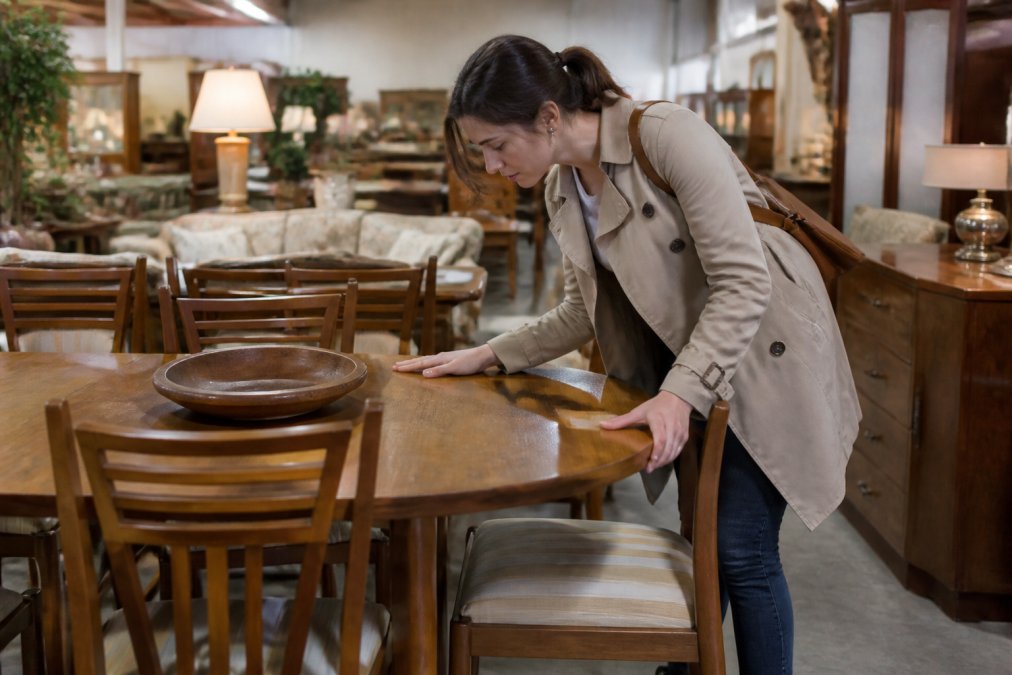
Buying pre-loved furniture offers financial and environmental benefits that new furniture rarely matches. Pre-loved pieces often feature superior construction, solid wood, quality joinery, and durable materials that have proven their longevity. A well-made dresser from the 1970s will likely outlast a particle board piece from a big-box retailer. At Le Rouge Tete, we’ve seen firsthand how customers discover exceptional quality at a fraction of retail cost, and the "live in" store layout helps you visualize exactly how pieces will work in your own space before you commit.
Extending the life of existing furniture reduces demand for new production, which means less waste in landfills and fewer resources consumed in manufacturing. For design-conscious homeowners, pre-loved furniture also offers uniqueness you won’t find in mass production.
However, buying pre-loved furniture requires diligence. You need to know what to look for, how to assess condition, and how to negotiate fairly. This guide walks you through the entire process, from measuring your space to identifying hidden damage, so you can shop with confidence.
Measure Your Space Before You Shop
The biggest mistake buyers make is falling in love with a piece without knowing whether it will actually fit. Start by measuring the room where you plan to place the furniture. Write down the dimensions of the wall, the distance to doorways, and the width of any hallways it must pass through during delivery. Don’t estimate, use a tape measure.
For larger items like sofas and dressers, also consider depth. A deep sectional can dominate a room, making it feel cramped. Measure from the wall to the center of the room to understand how much depth you can accommodate. Check ceiling height too, especially for tall bookcases or armoires.
When viewing furniture, compare those measurements to your space. Bring your measurements on your phone or written down. This simple step eliminates the heartbreak of returning a piece or forcing it into a space where it doesn’t belong.
At Le Rouge Tete, our personalized assistance includes helping you visualize how pieces will work in your home. Our team can move items around the showroom so you can see the scale and proportion before making a decision.
How to Inspect Used Furniture for Bed Bugs and Other Pests
One legitimate concern with pre-loved furniture is the risk of pests, particularly bed bugs. These hitchhikers can infest your home quickly and are notoriously difficult to eliminate. A thorough inspection before purchase is non-negotiable.
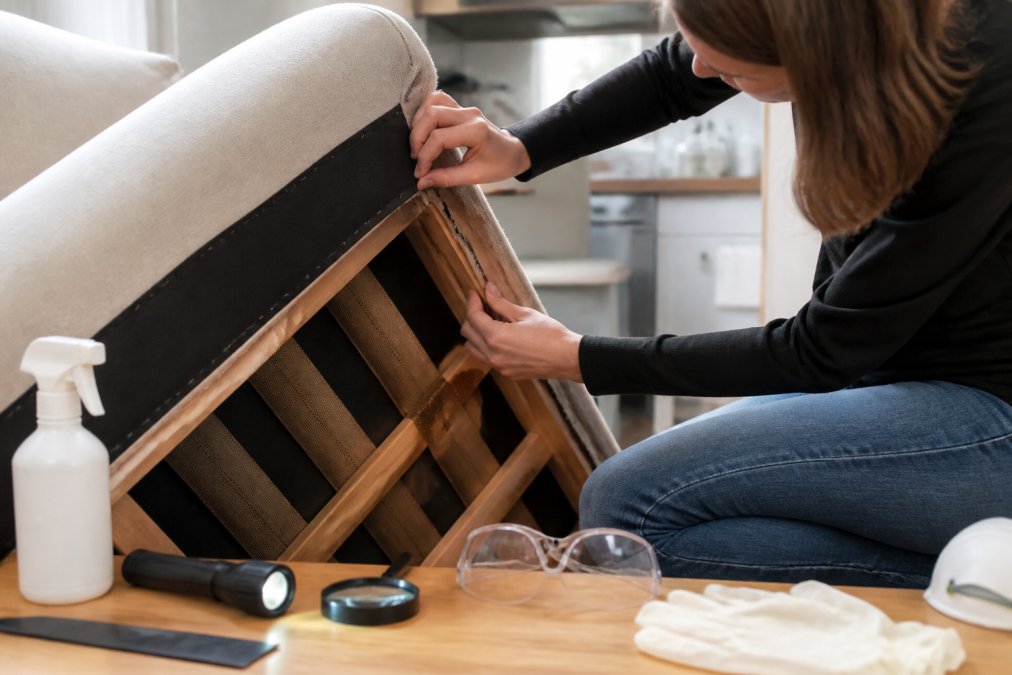
Start by examining the seams, piping, and underside of upholstered furniture. Bed bugs hide in tight spaces where fabric meets the frame. Look for small dark spots (fecal matter), shed skins, or the bugs themselves, about the size of an apple seed and reddish-brown in color. Use a flashlight if the store’s lighting is dim.
Check the corners and crevices of wooden furniture as well. Open drawers and inspect interior corners and joints. For upholstered pieces, run your hand along the underside of cushions and examine the legs and frame connections. If you’re inspecting a mattress or bed frame, this step is absolutely critical.
Ask the consignment store directly about their inspection process. If you spot any signs of infestation, walk away. The cost of professional pest treatment far exceeds any savings you’ll make on the furniture.
Identifying Solid Wood vs. Particle Board
The material composition of furniture determines its durability, repairability, and long-term value.
Solid wood furniture is constructed from actual wood throughout the frame and visible surfaces. Hardwoods like oak, walnut, cherry, or maple are dense and durable, and can be refinished and repaired. Solid wood furniture typically costs more upfront but lasts decades.
Particle board is compressed wood particles held together with adhesive. It’s cheaper to manufacture but cannot be refinished and is prone to sagging under weight. Once damaged, it’s nearly impossible to repair effectively. Particle board is often covered with veneer, a thin layer of real wood glued to the surface, which can look beautiful but limits the furniture’s lifespan.
To identify what you’re looking at, inspect the edges and interior surfaces. Solid wood shows actual wood grain throughout. Particle board edges appear grainy or layered, almost like compressed sawdust. Check the weight too, solid wood furniture is heavier and feels substantial when you shake it gently.
For joints, examine how pieces are connected. Quality solid wood furniture uses dovetail joints or mortise-and-tenon construction. Particle board is typically held together with screws, dowels, or metal brackets, which are less durable over time.
Structural Integrity and Hidden Damage
Structural problems are expensive to fix. Before purchasing any piece, conduct a thorough structural assessment to identify damage that might not be obvious at first glance.
The Sniff Test and Odor Assessment
One of the quickest ways to assess a piece’s history is the sniff test. Furniture absorbs odors from smoke, pets, moisture, and mold. Lean in and smell the piece thoroughly, checking the underside, interior drawers, and cushion seams where odors linger longest.
A musty smell suggests moisture exposure, which can indicate mold or mildew, a red flag. Mold can spread to your home and poses health risks. A strong pet odor might be manageable with professional cleaning, but it signals the furniture was in a pet-heavy environment. Smoke smell is particularly stubborn and often retains indefinitely. Fresh, clean smells or mild wood scents are good signs that pieces have been well-maintained.
Chemical Safety and Toxic Materials
Older furniture, particularly pieces from the 1970s and 1980s, may contain materials now recognized as hazardous. Vintage upholstered furniture may contain flame retardants that are now considered problematic. Some older foam cushions contain materials that off-gas over time.
Certain finishes and varnishes on older wooden furniture may contain lead paint, which is a serious health concern, particularly for families with small children. Ask the consignment store about the furniture’s age and history.
If you’re concerned about chemical safety, allow newly acquired furniture to air out in a well-ventilated space for a few days before bringing it into your main living areas.
How to Clean Second-Hand Furniture
Once you’ve purchased a piece and brought it home, proper cleaning removes dust, allergens, and surface contaminants.
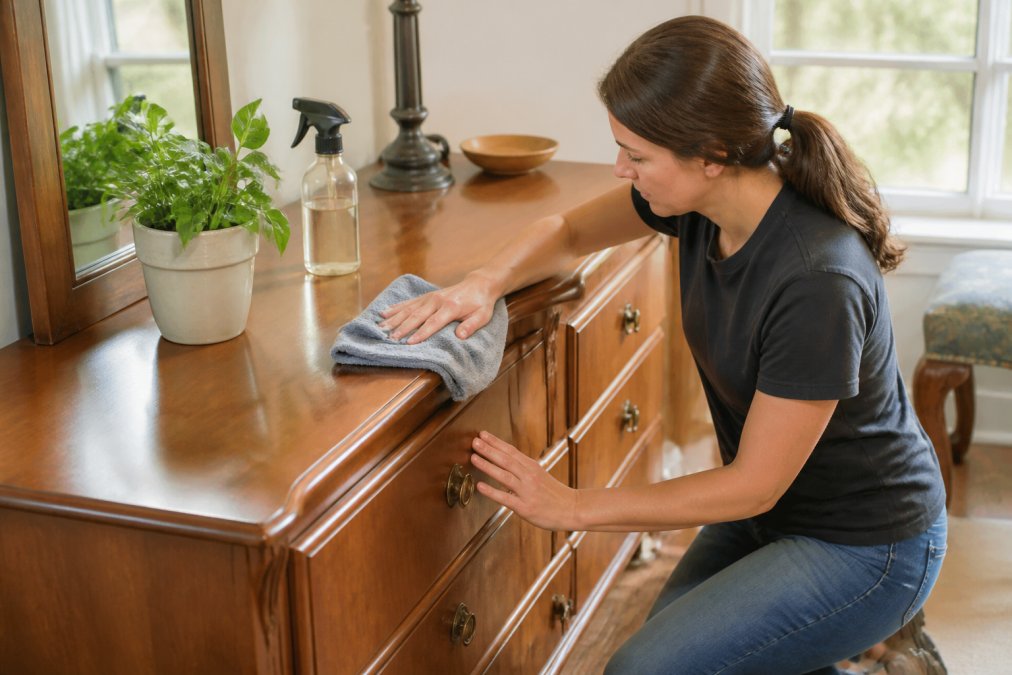
For wooden furniture, start with a soft, dry cloth to remove surface dust. For deeper cleaning, use a slightly damp cloth with mild soap and water, then dry immediately. Avoid excessive moisture, which can damage wood finishes.
Upholstered furniture requires different care. Vacuum thoroughly with an upholstery attachment, paying special attention to seams and crevices. For spot cleaning, test any cleaning solution on a hidden area first. A mixture of equal parts white vinegar and water works for light stains. For deeper cleaning, professional upholstery cleaning is often the best investment.
For leather pieces, use leather-specific cleaners and conditioners. Disinfecting is particularly important, allow surfaces to dry completely after cleaning. Taking time to properly clean and air out furniture before integrating it into your home prevents potential issues and extends the piece’s life.
Negotiation Tactics and Smart Pricing
Consignment stores typically have set prices, but there’s often room for negotiation, especially if you’re purchasing multiple items or if a piece has been in the store for an extended period.
Ask about the piece’s history. How long has it been in the store? Items displayed for months may be negotiable. Bundle purchases work in your favor, if you’re buying multiple items, ask if the seller will offer a discount on the total.
Understand the market value of the piece. For items with minor damage or wear, use that as a negotiation point. A scratch on a dresser or a small stain on upholstery is legitimate grounds for asking for a lower price.
At Le Rouge Tete, our 50/50 consignment split policy means fair pricing for both buyers and sellers. If you’re selling furniture, you keep half the proceeds with no end dates on consignments. As a buyer, this model ensures the store maintains quality standards and fair prices.
Don’t negotiate just for the sake of it. If the price is fair and the piece is exactly what you want, paying the asking price supports the seller and the store.
Transportation and Digital Safety
Getting furniture from the store to your home requires planning. Poor transportation can damage a piece or injure you in the process.
Moving Heavy Pieces Safely
Large furniture is heavy and awkward. Attempting to move it alone risks injury and damage. For sofas, dressers, and other substantial items, hire professional movers or use a delivery service. Many consignment stores, including Le Rouge Tete, offer local pickup services for large items. We provide convenient $50 local pickup for items in the Morehead City area.
If you’re moving the furniture yourself, measure doorways, stairwells, and hallways to ensure the piece will fit. Disassemble what you can to reduce size and weight. Use furniture sliders under legs to protect floors. Protect the piece during transport by wrapping it in blankets or furniture pads. For stairs, never drag furniture, carry it with proper lifting technique and get help.
Avoiding Scams When Buying Online or Locally
Online furniture marketplaces offer convenience, but they also present opportunities for fraud. Before purchasing online, verify the seller’s credibility by checking reviews and ratings. Request detailed photos from multiple angles, including close-ups of any damage. Ask specific questions about condition, dimensions, and materials.
Use secure payment methods that offer buyer protection, such as credit cards and PayPal. Avoid wire transfers or payment methods that can’t be reversed. Meet local sellers in public places during daylight hours. Bring someone with you and let another person know where you’re going.
Inspect items thoroughly before handing over payment. Document everything, keep screenshots of listings, photos, and messages with the seller. Consignment stores like Le Rouge Tete eliminate many of these risks. You can see pieces in person, inspect them thoroughly, and work directly with a reputable business. The "live in" layout lets you visualize items in a realistic setting before committing.
Buying pre-loved furniture requires more effort than purchasing new pieces, but the rewards, unique items, superior quality, better prices, and reduced environmental impact, make the process worthwhile. Start with accurate measurements, inspect thoroughly for structural and pest issues, understand material quality, and negotiate fairly. Work with trusted local sources like Le Rouge Tete, where over 16 years of community service means quality curation and transparent pricing. Visit Le Rouge Tete in Morehead City to explore a carefully selected inventory of pre-loved furniture, enjoy personalized assistance with visualization, and take advantage of convenient local pickup services that make acquiring beautiful, affordable pieces seamless.
| Assessment Step | What to Check | Why It Matters |
|---|---|---|
| Measurements | Room dimensions, doorways, ceiling height | Prevents purchasing pieces that don’t fit |
| Pest inspection | Seams, underside, joints for bed bugs | Protects your home from infestation |
| Material identification | Solid wood vs. particle board vs. veneer | Determines durability and repairability |
| Structural assessment | Joints, frame stability, hidden damage | Reveals expensive repair costs |
| Odor and chemical safety | Musty smells, smoke, off-gassing | Ensures health and safety |
| Cleaning needs | Surface dirt, stains, disinfection required | Affects total cost and timeline |
| Negotiation readiness | Market value, condition issues, seller flexibility | Helps you reach fair pricing |
| Transportation planning | Size, weight, delivery options | Prevents damage and injury |
Bed bugs are notoriously difficult to eliminate once they infest your home. A single overlooked inspection can cost hundreds or thousands in professional pest treatment. Always inspect seams, underside, and joints thoroughly before purchasing any upholstered furniture.
If you’re purchasing multiple pieces, ask for a bundle discount. Consignment stores are more willing to negotiate when you’re making a larger purchase, and you’ll move inventory faster, which benefits both you and the seller.
When shopping for pre-loved furniture, research from the National Pest Management Association confirms that bed bugs are found in all types of environments, not just dirty homes. Thorough inspection is essential regardless of the furniture’s appearance.
According to the Consumer Product Safety Commission, older furniture may contain materials that are now regulated or restricted. Understanding the age and origin of pieces helps you make informed decisions about potential chemical exposure.
For guidance on sustainable consumption and furniture longevity, the Environmental Protection Agency’s sustainable materials management resources provide data on how extending furniture life reduces waste and resource consumption compared to purchasing new items.
Frequently Asked Questions
What should I look for when buying pre-loved furniture?
Start by inspecting structural integrity: check for wobbly legs, broken springs, and loose joints. Look for signs of pests, water damage, and excessive odors. Identify whether pieces are solid wood, veneer, or particle board, solid wood typically holds value better. Measure your space beforehand and verify the piece fits. Check upholstery for tears, stains, and fabric wear. Ask about the item's history and whether it's been professionally cleaned. Trust your instincts: if something feels off, move on to another piece.
How do I know if furniture has been properly inspected and is safe to bring into my home?
Reputable consignment stores like Le Rouge Tete inspect items for pests, structural damage, and cleanliness before displaying them. Ask the seller directly about their inspection process. Perform your own sniff test for musty or chemical odors, a strong smell may indicate mold, mildew, or off-gassing from treatments. If you're concerned about bed bugs or other pests, inspect seams, joints, and underneath carefully. Consider having upholstered pieces professionally cleaned before bringing them home. Trust stores with established reputations and transparent practices over private sellers.
How do I inspect used furniture for bed bugs?
Examine the seams, tufts, and piping of upholstered furniture carefully under good lighting. Look for small dark spots (fecal matter), shed skins, or live insects. Check wooden frames where upholstery meets wood, bed bugs hide in these crevices. Inspect drawer glides and the undersides of tables and chairs. Smell for a sweet, musty odor associated with infestations. If you find any signs, walk away. For mattresses and box springs, check the entire surface and all seams. When transporting furniture home, use sealed bags or plastic wrap to prevent any pests from spreading if they're present.
What's the difference between solid wood and particle board, and why does it matter?
Solid wood is made from actual wood throughout and lasts decades with proper care. Particle board is compressed wood fibers held together with adhesive, it's cheaper but less durable and can't support as much weight. Veneer is a thin layer of real wood glued over particle board or plywood, offering a middle ground in cost and durability. To tell the difference, check the edges and corners: solid wood shows wood grain, while particle board shows a grainy, composite texture. Solid wood pieces hold resale value better and are worth repairing; particle board is often cheaper upfront but may not justify restoration costs.
Is it safe to buy used upholstered furniture?
Yes, if you inspect carefully and take precautions. Check for bed bugs, stains, odors, and fabric wear before purchasing. Ask if the piece has been cleaned or treated. Once home, consider professional upholstery cleaning to sanitize and refresh the fabric. Inspect springs and foam density, if they're compressed or sagging, restoration costs may exceed the piece's value. For vacation rentals or rental properties, professional cleaning is essential for guest safety and satisfaction. Avoid pieces with strong chemical smells, visible mold, or signs of pest damage. When in doubt, consult a professional or choose a different piece.
How much should I expect to spend on repairs and restoration?
Costs vary widely. Minor repairs like tightening hardware or replacing drawer glides run $20-$100. Reupholstering a chair costs $300-$800 depending on fabric and complexity. Refinishing wood requires $200-$500 or more. Professional upholstery cleaning averages $100-$300 per piece. Before buying, assess whether repair costs justify the piece's potential resale value. A $150 vintage chair may not be worth $400 in restoration. Use the 50% rule: if repairs exceed 50% of a new equivalent's price, consider buying new instead. Local experts can provide estimates to help you decide.
What are the red flags I should avoid when buying pre-loved furniture?
Avoid pieces with strong musty, chemical, or sweet odors, these suggest mold, off-gassing, or pests. Skip furniture with deep stains that won't come clean, significant structural damage, or broken springs that sag unevenly. Be wary of items missing hardware, drawers that don't slide smoothly, or legs that wobble. Avoid upholstered furniture with large tears, severe fabric wear, or visible pest damage. Don't buy from sellers who won't let you inspect thoroughly or answer questions about the item's history. Trust your gut: if a piece feels unstable, smells wrong, or looks like a money pit, walk away. Quality matters more than getting a bargain.
This article was written using GrandRanker