
Table of Contents
- Top High Quality Used Furniture Stores in the U.S.
- 1. Le Rouge Tete, Upscale Consignment with Live-In Display
- 2. Kaiyo, Premium Designer Furniture Online
- 3. Chairish, Curated Vintage and Antique Marketplace
- 4. 1stDibs, Luxury and Rare Design Pieces
- 5. The RealReal, Authenticated Luxury Consignment
- 6. CORT Furniture Outlet, Gently Used Corporate Furniture
- 7. AptDeco, Hassle-Free Online Buy and Sell
- 8. Modern Resale, Designer Warehouse in California
- 9. GoneGirl Home, White-Glove Luxury Consignment
- 10. Habitat for Humanity ReStores, Affordable and Community-Focused
- Understanding Consignment Furniture Stores
- Exploring Vintage Furniture Shops and Styles
- Furniture Authentication Guide for Buyers
- How to Clean and Maintain Used Furniture
- Luxury Used Furniture: Quality Standards and Selection
- Delivery, Pickup, and Logistics for Used Furniture
- Budget-Friendly Styling with Pre-Owned Pieces
Last Updated: July 27, 2026
When shopping for home furnishings on a budget, high quality used furniture stores offer an attractive alternative to retail prices without sacrificing style or durability. At Le Rouge Tete, we’ve spent over 16 years helping customers find beautiful, gently used pieces that transform their homes while protecting their wallets. According to the National Association of Resale Professionals, the secondhand furniture market has grown significantly as consumers increasingly prioritize sustainability and value. This guide covers the 10 best options for sourcing pre-owned furniture, plus strategies for evaluating authenticity, condition, and quality.
Quick Picks:
- Best Overall: Le Rouge Tete, upscale consignment with live-in display and expert curation
- Best Online Marketplace: Kaiyo, designer furniture with white-glove delivery in major metros
- Best for Vintage & Antique: Chairish, vetted sellers and rare one-of-a-kind pieces
- Best Budget Option: Habitat for Humanity ReStores, affordable and community-focused
- Best for Luxury: 1stDibs, investment-grade antique and designer furniture
Top High Quality Used Furniture Stores in the U.S.
1. Le Rouge Tete, Upscale Consignment with Live-In Display
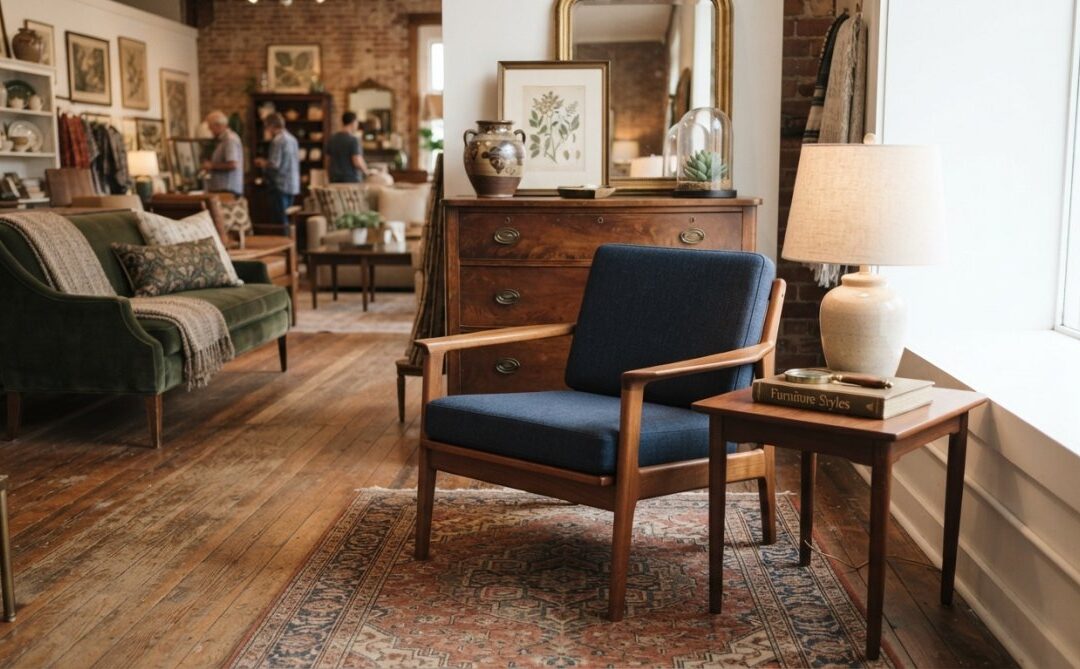
Le Rouge Tete stands out because it displays all furniture in a "live in" layout, allowing shoppers to visualize how items will look in their own homes. Located in Morehead City, this upscale consignment store offers a 50/50 consignment split with no end dates on listings, a 24-hour hold policy, and convenient $50 local pickup. New inventory arrives weekly, and personalized staff assistance helps you see different configurations. The live-in display philosophy dramatically reduces buyer’s remorse by showing pieces in realistic context.
Call ahead with specific measurements or photos of your space. Staff will help identify pieces matching your needs and can hold items for 24 hours.
2. Kaiyo, Premium Designer Furniture Online
Kaiyo specializes in gently used designer furniture from brands like West Elm, Crate & Barrel, and Restoration Hardware. Each piece is inspected, cleaned, and photographed with detailed condition descriptions. White-glove delivery operates in select metros including New York, Philadelphia, and Washington, D.C. The platform’s sustainability focus appeals to environmentally conscious buyers, though geographic limitations and quick inventory turnover are drawbacks.
3. Chairish, Curated Vintage and Antique Marketplace
Chairish attracts design enthusiasts seeking unique, high-quality vintage and antique furniture. The platform vets sellers and employs in-house experts to authenticate pieces, reducing the risk of purchasing fakes. The selection spans multiple design eras and styles. Prices reflect the curated, high-end nature of inventory, you’re finding rare pieces at fair market value, not bargains.
4. 1stDibs, Luxury and Rare Design Pieces
1stDibs operates as a sophisticated online vintage marketplace with over one million pieces from vetted sellers worldwide. The platform specializes in luxury, designer, and antique furniture intended as investments. Authenticity is guaranteed through expert verification. Price points are significantly higher than other used furniture stores, catering exclusively to a luxury market.
5. The RealReal, Authenticated Luxury Consignment
The RealReal focuses on designer brands like Ralph Lauren Home, Knoll, and Fendi Casa. Items are authenticated by in-house experts, providing confidence in luxury purchases. The platform operates both online and through physical retail locations. Authentication is thorough, though inventory depends entirely on what’s consigned, meaning availability can be inconsistent.
6. CORT Furniture Outlet, Gently Used Corporate Furniture
CORT Furniture Outlet sells high-quality furniture previously rented for model homes, corporate apartments, and offices. Pieces are typically in excellent condition despite pre-owned status. The outlet offers discounts up to 70% off retail prices and CORT Certification for quality assurance. Inventory changes frequently and skews toward modern and contemporary styles rather than antique or highly unique vintage pieces.
7. AptDeco, Hassle-Free Online Buy and Sell
AptDeco simplifies buying and selling through a user-friendly platform that handles logistics. The marketplace features a wide variety of price points and brands, making it accessible for different budgets. A 7-day return policy provides peace of mind that other platforms don’t offer.
8. Modern Resale, Designer Warehouse in California
Modern Resale offers up to 70% off authentic designer furniture from elite homes, showrooms, and liquidations. The Culver City, California warehouse allows in-person viewing, with statewide shipping available. The selection of pristine, luxury designer pieces at significant discounts is compelling, though access is limited to one location.
9. GoneGirl Home, White-Glove Luxury Consignment
GoneGirl Home provides white-glove consignment service for curated luxury furniture across Washington D.C., Richmond, and Nashville. The service handles the entire selling process for consignors. Inventory is viewable online, on Chairish, and through Instagram. Service is limited to three specific geographic regions.
10. Habitat for Humanity ReStores, Affordable and Community-Focused
Habitat for Humanity ReStores are non-profit home improvement stores selling new and gently used furniture, appliances, and building materials. Sales support Habitat’s mission to build affordable homes. Pricing is genuinely affordable, with items at a fraction of retail cost. Inventory varies by location based on donations, so shopping experience differs between ReStores.
Understanding Consignment Furniture Stores
How Consignment Works
A consignment arrangement is a sales agreement where the store displays your furniture and pays you a percentage of the sale price after an item sells. Most stores follow a 50/50 split, though some negotiate different percentages. Timeline varies significantly, some set end dates of 60 to 90 days, while others like Le Rouge Tete operate with no end dates, giving pieces unlimited time to find buyers. Pricing strategy is yours to set, though experienced consignment shops advise on market rates. Payment timing varies; some stores pay immediately upon sale while others batch payments monthly.
Watch for stores that charge “restocking fees” or “pickup fees” if items don’t sell. These hidden costs can turn a fair 50/50 split into a net loss. Le Rouge Tete’s transparent policy with no end dates and no pickup fees is the standard you should expect.
Benefits of Shopping Consignment
Consignment stores offer significant advantages. First, pricing is 40-70% below retail for comparable new items. Second, inventory is curated, stores apply quality standards, rejecting damaged or low-quality pieces. Third, you’re supporting sustainability by keeping furniture out of landfills. Fourth, local consignment stores provide personal service, helping you visualize pieces in your space. Finally, consignment reduces buyer’s remorse through realistic display and expert guidance.
Exploring Vintage Furniture Shops and Styles
What Makes Vintage Furniture Valuable
Vintage furniture typically refers to pieces 20-40 years old reflecting their era’s design aesthetics. Mid-century modern furniture commands premium prices because of design significance, craftsmanship, and scarcity. Value comes from design pedigree (named designers or respected manufacturers like Herman Miller or Knoll), rarity (limited production runs), and condition (original upholstery, intact hardware, no refinishing).
Quality vintage pieces from respected designers often hold or increase in value. Treat significant purchases as investments, not disposables.
Distinguishing Vintage from Antique
Antique furniture is legally defined as 100+ years old and represents historical periods like Victorian, Art Deco, or Arts and Crafts. Value is tied to age, craftsmanship, and historical significance. An authenticated 18th-century mahogany side table might sell for $2,000-5,000, while a 1970s reproduction of similar style might be $200-500. For buyers, antiques require more due diligence, hire an appraiser for significant pieces.
Furniture Authentication Guide for Buyers
Verifying Designer Brands and Labels
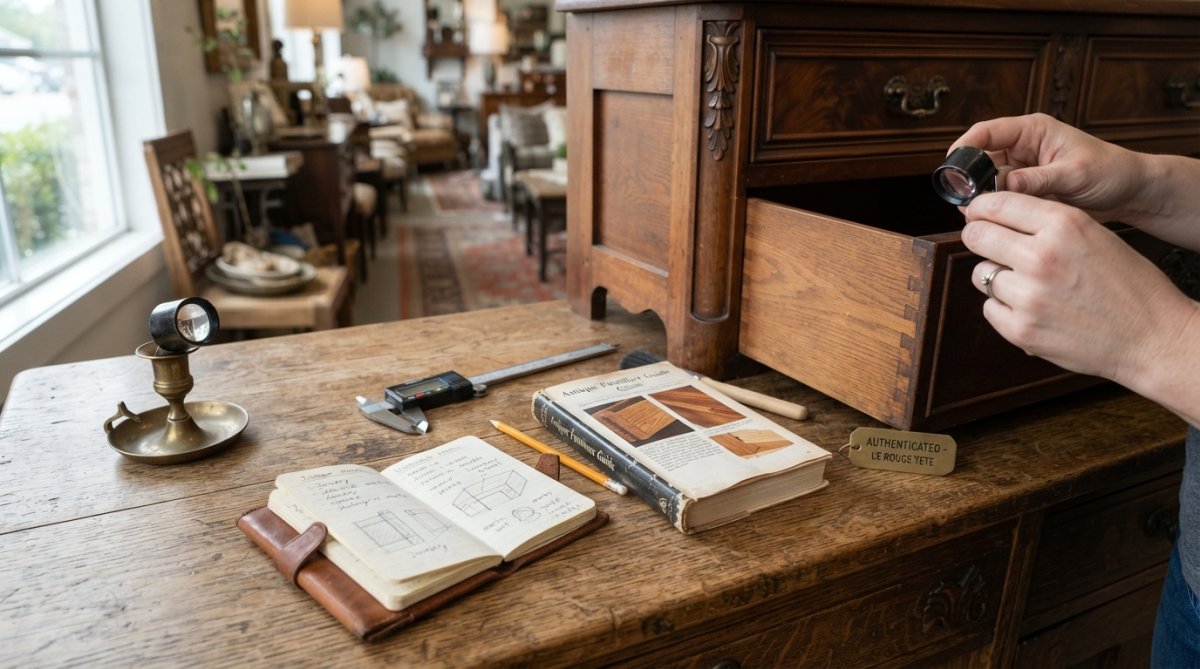
Legitimate designer furniture carries identifying marks. Look for maker’s labels typically found on the underside of seating, inside drawers, or on back panels. Authentic labels are professionally printed, securely attached, and match the era of the piece. Examine construction details, designer furniture uses specific joinery, materials, and techniques. Mid-century modern pieces typically feature mortise-and-tenon joints, solid wood frames, and eight-way hand-tied springs. Research the design patent if a label includes a patent number by verifying it through the U.S. Patent Office database. For high-value purchases over $1,000, consider hiring a furniture appraiser.
Red Flags to Avoid
Mismatched hardware suggests replacement or repair. Refinished wood on vintage pieces signals previous damage or heavy wear. Replaced upholstery on seating is common, but original fabric commands premiums. Structural repairs like re-glued joints or replaced legs indicate the piece has had problems. Inconsistent wear patterns can indicate a reproduction, genuine vintage pieces show wear consistent with age and use.
How to Clean and Maintain Used Furniture
Deep Cleaning Techniques by Material
Upholstered furniture needs careful handling. Vacuum thoroughly with an upholstery attachment. For surface stains, test any cleaner on a hidden area first. A solution of mild dish soap and water works for most fabrics. Leather requires specialized care, wipe with a slightly damp cloth and use leather-specific cleaner. Wood surfaces benefit from dusting first, then cleaning with wood-specific cleaner or equal parts white vinegar and water applied sparingly. Metal hardware can be polished with appropriate metal cleaners.
Addressing Odors and Hygiene Concerns
Baking soda is effective for musty odors, sprinkle generously on upholstered surfaces, let sit overnight, then vacuum. White vinegar neutralizes odors; mix equal parts vinegar and water in a spray bottle and lightly mist upholstery. Sunlight and fresh air are underrated solutions, place furniture outside on a sunny day for 4-6 hours. For hygiene concerns, professional steam cleaning provides peace of mind.
When purchasing used furniture, inspect for signs of pest damage, small holes, frass (insect droppings), or musty smells. Avoid pieces showing these signs.
| Cleaning Task | Material Type | Method | Frequency |
|---|---|---|---|
| Dust removal | All | Soft cloth or vacuum | Weekly |
| Odor treatment | Upholstered | Baking soda, vinegar, sunlight | As needed |
| Stain removal | Upholstered | Mild soap solution, test first | As needed |
| Conditioning | Leather | Leather-specific conditioner | Every 6-12 months |
| Polish | Wood | Wood cleaner or vinegar solution | Monthly |
| Deep cleaning | Upholstered | Steam cleaning | Annually or as needed |
Luxury Used Furniture: Quality Standards and Selection
Furniture Condition Grading Explained
Quality platforms use standardized condition grades. Mint or Like-New shows virtually no wear at prices near retail. Excellent indicates light use with minor cosmetic wear, typically 70-85% of retail. Very Good means noticeable but not extensive wear, typically 50-70% of retail. Good includes visible wear but remains fully functional, usually 30-50% of retail. Fair has significant wear and possible repairs, typically 10-30% of retail. Understanding these grades helps you calibrate expectations and price.
Top Designer Brands in the Pre-Owned Market
Mid-century modern designers like Eames, Knoll, Herman Miller, and Cassina are perennial favorites whose pieces appreciate or hold value. Contemporary designer brands like Restoration Hardware, CB2, and West Elm have strong secondhand markets. European heritage brands like B&B Italia, Vitra, and Ligne Roset attract serious design enthusiasts. Research brand reputation before purchasing, an authenticated Knoll sofa is worth $800-1,200 used while a generic "designer sofa" might be worth $200.
Delivery, Pickup, and Logistics for Used Furniture
Shipping Options and Costs
Freight shipping is standard for large furniture, costing $150-800 depending on size, weight, and distance. White-glove delivery includes placement and packaging removal, costing $200-500 additional but saving time and effort. Curbside delivery is cheaper but requires you to move items inside. Local pickup eliminates shipping costs entirely, Le Rouge Tete’s $50 local pickup fee is genuinely affordable compared to shipping alternatives.
Local Pickup vs. White-Glove Delivery
Local pickup works best for nearby purchases where you have transportation, it’s economical and gives you control over timing. White-glove delivery is worthwhile for expensive pieces, long distances, or when you lack transportation. For most buyers, a hybrid approach works: use local pickup for affordable items and nearby sources, reserve white-glove for high-value or distant purchases.
Budget-Friendly Styling with Pre-Owned Pieces
Mixing Vintage and Modern Styles
The key to successful mixing is intentionality. Create visual coherence through color, material, or era. A monochromatic approach uses a consistent color palette across eras. Material consistency makes pieces feel cohesive even if styles differ. Proportional balance mixes scales intentionally. Focal point strategy anchors a room with one significant vintage piece, then surrounds with simpler modern pieces.
Refurbishment and Upcycling Tips
Reupholstering is the most impactful refresh, costing $400-1,200 but extending the life of quality pieces. Refinishing wood restores appearance without replacing. Hardware replacement transforms pieces instantly with $30-100 investment. Paint refresh modernizes pieces without losing structural quality. Upholstery details like new throw pillows refresh tired seating without full reupholstering.
Finding high quality used furniture stores requires balancing convenience, selection, and price. For most buyers, a combination of local consignment like Le Rouge Tete and online platforms like Kaiyo or Chairish provides optimal flexibility. Le Rouge Tete’s live-in display layout, transparent 50/50 split, and weekly new inventory make it an exceptional choice for shoppers in the Morehead City area seeking curated, quality pieces at prices significantly below retail. Whether you’re furnishing your first apartment or upgrading to designer pieces, the used furniture market offers remarkable value when you know where to look.
Frequently Asked Questions
What should I look for when buying from high quality used furniture stores?
Inspect for structural integrity, check joints and legs for stability, verify all hardware functions, examine upholstery for stains or odors, and request condition details from the seller. Ask about the furniture's history and whether it's been professionally inspected. Look for transparent return policies and customer reviews that mention condition accuracy. Reputable used furniture stores display items in realistic settings so you can visualize them in your space.
How do consignment furniture stores differ from other used furniture options?
Consignment furniture stores sell items on behalf of the original owner, taking a commission (often 50%) when pieces sell. Unlike buy-it-back services, consignment stores don't purchase inventory outright. This model means fresher inventory, curated selections, and often better condition standards since consignors have incentive to present quality pieces. Consignment stores typically offer longer hold policies and personalized service compared to online marketplaces or thrift shops.
Is it worth buying luxury used furniture instead of new?
Yes, luxury used furniture often offers exceptional value. High-end pieces from brands like Restoration Hardware, West Elm, and Ethan Allen retain quality and design appeal while selling at 30-70% discounts. Pre-owned luxury furniture frequently comes from model homes or temporary use, meaning minimal wear. You access discontinued lines and investment-worthy vintage pieces unavailable new. However, verify authenticity and condition carefully, and factor in delivery costs for large items.
How do I clean used furniture safely and effectively?
Start with vacuuming and dusting to remove surface debris. For upholstered pieces, use a fabric-appropriate cleaner and test on hidden areas first. Wood furniture benefits from mild soap and water or furniture-specific cleaners. Address odors with baking soda, activated charcoal, or professional deodorizing services. For hygiene concerns, steam cleaning or professional upholstery cleaning is worth the investment. Always check care labels and manufacturer recommendations before deep cleaning pre-owned pieces.
What delivery and pickup options do high quality used furniture stores offer?
Options vary by retailer. Local consignment stores often offer affordable local pickup ($50-200) or in-store shopping. Online platforms like Kaiyo provide white-glove delivery in select metro areas. Some stores handle logistics themselves; others partner with third-party shippers. Many offer 7-day return policies. Always confirm delivery costs upfront, as they can significantly impact total price. Check whether stores offer assembly, placement, and removal of packaging materials with delivery services.
This article was written using GrandRanker