
Table of Contents
- What Types of Large Furniture Do Consignment Stores Accept?
- Condition Standards for Large Items
- Furniture Consignment Pickup Services and Logistics
- How to Prepare Furniture for Consignment
- Consignment vs Selling Furniture Online: Which Works Better for Large Items?
- Revenue Splits, Fees, and What You’ll Actually Earn
- Items That Are Typically Rejected
- Conclusion
Last Updated: August 23, 2026
What Types of Large Furniture Do Consignment Stores Accept?
Yes, most upscale consignment stores actively accept large furniture pieces. Le Rouge Tete, for example, specializes in pre-loved furniture and home decor, including substantial pieces like sofas, dining tables, entertainment armoires, and bedroom sets.
Typically accepted items include upholstered goods such as sectionals and wingback chairs; wooden furniture like dining room tables and dressers; and entertainment pieces including armoires and media consoles. Storage furniture, bookcases, and hutches also fit well within consignment models because they appeal to homeowners and vacation rental operators seeking quality pieces at below-retail pricing.
What matters most is condition and marketability. A consignment store evaluates whether an item will sell within a reasonable timeframe. Large furniture that’s outdated, heavily worn, or mismatched with current design trends may be rejected, even if technically "large." The store’s existing inventory also influences acceptance decisions.
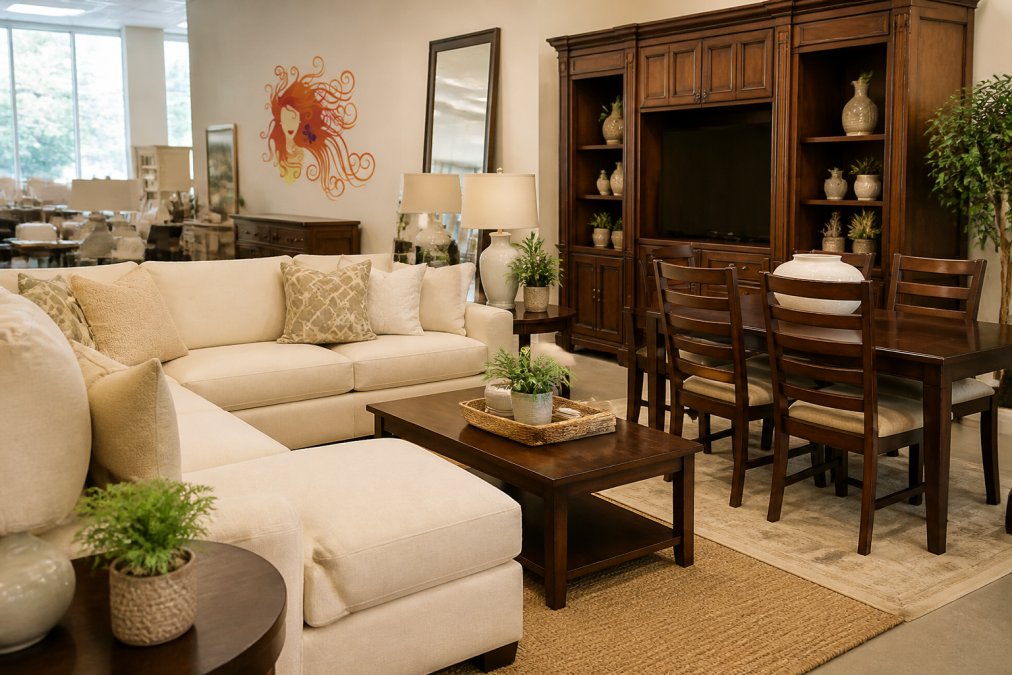
Established consignment stores understand the logistics of moving large pieces and have systems in place to handle them. Le Rouge Tete offers convenient local pickup services, eliminating the headache of arranging transportation for a heavy sofa or dining table yourself.
Entertainment armoires and upholstered sectionals tend to move faster in consignment than dining tables, which have narrower appeal. Neutral colors, mid-century modern styles, and transitional pieces sell more consistently than heavily ornate or dated furniture.
Condition Standards for Large Items
Large furniture faces stricter inspection standards than smaller decor pieces because damage is more visible. Consignment stores apply a "live in" evaluation, imagining how the piece would look in a customer’s home, and reject anything that wouldn’t meet that standard.
For upholstered goods, condition standards typically require no tears, significant stains, or odors (isa-appraisers.org). Minor wear is acceptable, but fabric should be clean and intact. Wooden furniture must be free of deep gouges, water damage, or warping. Drawers should open smoothly, hardware should be functional, and frames must be sturdy.
A common misconception is that "antique" or "vintage" automatically means acceptance. Consignment stores care about marketability, not age. A 1970s sofa in poor condition sits on the floor taking up space; a newer piece in excellent condition sells within weeks.
Large items also get evaluated for delivery and setup logistics. A massive sectional requiring three people to move or special handling presents operational challenges. Some stores have weight limits or won’t accept items requiring special handling.
Musty or smoke odors are deal-breakers for most consignment stores, particularly with upholstered furniture. Professional cleaning before consignment is essential if your piece has absorbed odors from storage, pets, or smoking.
Furniture Consignment Pickup Services and Logistics
The logistics of moving large items represent one of the biggest advantages of consignment over selling yourself. Established stores like Le Rouge Tete offer convenient local pickup services, eliminating the burden of hauling a sofa, dining table, or bedroom set to the store yourself.
Pickup services vary significantly by store. Some offer free pickup within a certain radius; others charge a flat fee. The cost-benefit analysis depends on the piece’s expected resale value and your location relative to the store. When evaluating pickup services, ask: How long does scheduling take? Do they require items to be accessible? What’s their damage liability? Do they handle multiple items in one trip?
Once an item arrives, it needs to be inspected, photographed, priced, and placed on the sales floor, a process typically taking a few days to a week. Understanding this timeline helps set realistic expectations.
Regional variations affect pickup availability significantly. Urban consignment stores often offer more flexible pickup options because they serve concentrated customer bases. Le Rouge Tete’s local service area covers the Crystal Coast region, making pickup practical for residents within that geography.
How to Prepare Furniture for Consignment
Preparing furniture for consignment properly increases both acceptance likelihood and resale value. Start with thorough cleaning: dust, vacuum, wipe down surfaces, and address visible dirt. For upholstered pieces, consider professional cleaning if there are stains or odors. For wooden furniture, polish if the finish is dull.
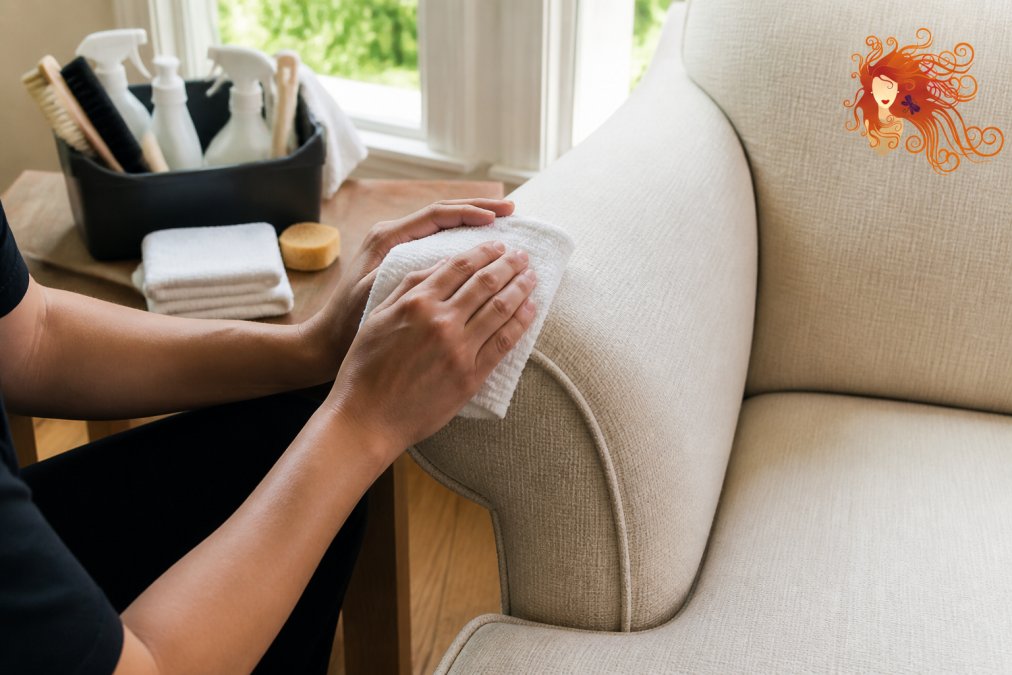
Inspect for damage and make honest assessments. Small repairs, tightening loose screws, replacing missing hardware, fixing a wobbly leg, are worth doing yourself. Major repairs like reupholstering or refinishing typically don’t pay off in consignment economics.
Take clear photographs before contacting the store. Include multiple angles, close-ups of any damage, and shots showing the piece in context. These photos help the store evaluate acceptance and set appropriate pricing.
Document the item’s original price, purchase date, and relevant details (brand, materials, dimensions). This information helps the store position the piece in the market.
The most overlooked preparation step is ensuring large items are accessible for pickup. Clear pathways through your home, remove obstacles, and measure doorways and passages beforehand to prevent pickup delays or refusals.
Consignment vs Selling Furniture Online: Which Works Better for Large Items?
Consignment and online selling both work for large furniture, but they solve different problems. Online selling puts the burden of logistics, photography, pricing, and customer communication entirely on you. For heavy items like sofas or dining tables, shipping costs can be substantial.
Consignment outsources these operational headaches. The store handles photography, pricing, customer inquiries, payment processing, and logistics. You drop off (or have picked up) the item and wait for it to sell. The trade-off is that you split the sale price, typically 50/50 with stores like Le Rouge Tete.
The financial comparison depends on several factors. If you sell a sofa for $800 online, you keep the full amount but invest time and coordinate logistics. If you consign the same sofa and it sells for $800, you receive $400 after the split, but you invested zero time beyond delivery.
Online selling works best when you have time to invest and items in high demand. Consignment works better when you value convenience or have multiple items to move. Consignment stores arrange furniture in room settings so customers can visualize pieces in their homes, which sells furniture faster and often at higher prices than online photos.
The timeline also differs. Online sales can happen within days if priced right. Consignment typically takes 2-6 weeks. If you need quick cash, online selling edges ahead. If you’re willing to wait for convenience, consignment wins.
Revenue Splits, Fees, and What You’ll Actually Earn
Understanding the financial mechanics of consignment is essential before committing your furniture. Most consignment stores use a revenue split model where the store and consignor share the sale price. Le Rouge Tete operates on a 50/50 split, meaning you receive half the selling price and the store keeps half (the FTC).
Beyond the basic split, consider these variables: the store’s pricing strategy, how long items stay before price reductions, and what happens if items don’t sell. Le Rouge Tete has no end dates for consignments, which means items stay listed at the original price until sold.
Pickup fees also affect net proceeds. If a store charges $50 for pickup and your sofa sells for $400, your take-home is $150 (50% of $400 minus the $50 fee). Le Rouge Tete’s convenient local pickup is priced at $50, which is competitive for the region.
Payment timing matters too. Most stores pay after items sell, typically within 7-14 days (the FTC). Ask about this upfront so you understand when to expect payment.
Consignment makes the most financial sense for high-quality, upscale furniture pieces that command strong resale values. A designer sofa, solid wood dining table, or quality bedroom set benefits from the store’s merchandising expertise and customer base.
Items That Are Typically Rejected
Not all large furniture makes it through consignment store doors. The most common rejection reasons are condition issues, stains, odors, damage, or excessive wear that makes items unmarketable.
Furniture that’s outdated, heavily ornate, or mismatched with current design trends often gets rejected. Consignment stores are curating inventory for their specific market; if a piece doesn’t fit, it gets declined regardless of condition.
Extremely large or awkwardly shaped furniture sometimes gets rejected for practical reasons. Stores evaluate whether the floor space required to display and hold the item justifies the potential sale.
Furniture with missing pieces, non-functional mechanisms, or structural issues is typically rejected. A sofa with a broken reclining mechanism or a cabinet with a missing door becomes a liability and customer service headache.
Certain furniture categories struggle in consignment regardless of condition. Bean bag chairs, futons, and inflatable furniture rarely move because they’re inexpensive to purchase new. Pet-owned furniture is a gray area; if there’s any hint of pet odor, most stores decline.
Conclusion
Does furniture consignment take large items? Absolutely. Stores like Le Rouge Tete specialize in exactly this, moving large, quality pieces through a consignment model that benefits both sellers and buyers. The key is understanding what stores accept, preparing items properly, and evaluating whether consignment or online selling aligns with your timeline and priorities.
For homeowners liquidating furniture during a move, vacation rental owners furnishing multiple units, or anyone downsizing, consignment offers convenience and professional merchandising that online selling can’t match. Le Rouge Tete’s 50/50 split policy, no-end-date consignments, and local pickup services eliminate the operational headaches of selling large furniture yourself. Contact Le Rouge Tete today to discuss your consignment pieces and discover how their 16 years of community service can help you move quality furniture seamlessly.
Frequently Asked Questions
Q: Do consignment stores really accept large furniture items like sofas and dining tables?
A: Yes, most consignment stores actively accept large furniture items. Sofas, sectionals, dining tables, entertainment armoires, and bedroom sets are among the most commonly consigned pieces. The key is condition, upscale consignment stores focus on pre-owned furniture that's well-maintained and structurally sound. Larger items often sell faster because they're harder to find new at affordable prices, making them valuable inventory for consignment shops.
Q: What condition must large furniture be in for a consignment store to accept it?
A: Large furniture must be clean, free of major damage, and structurally sound. Consignment stores inspect for stains, tears, loose joints, and missing parts. Minor cosmetic wear is typically acceptable, but significant damage to upholstered goods, broken legs, or non-functional mechanisms usually result in rejection. The better the condition, the faster your item will sell and the higher the selling price, which benefits both you and the store through the revenue split.
Q: How do furniture consignment pickup services work for large items?
A: Many consignment stores offer local pickup services for bulky items, eliminating the need to transport heavy furniture yourself. The process typically involves scheduling a drop-off appointment, and the store arranges pickup from your home. Some stores charge a flat pickup fee, while others may offer free pickup depending on the item's value and your location. This service is especially valuable when downsizing or moving multiple large pieces, as it handles the logistics of moving items that are difficult to transport.
Q: Is consignment worth it for large furniture compared to selling online?
A: Consignment offers distinct advantages for large furniture. You avoid the hassle of photographing, listing, negotiating, and arranging buyer pickup, the consignment store handles marketing and sales. You also benefit from professional staging in a 'live in' layout that helps buyers visualize pieces in their homes. While online selling gives you full control of pricing, consignment eliminates the risk of items sitting unsold and the transportation costs that eat into your profits from bulky items.
This article was written using GrandRanker